Are Virtual Tours Still Worth It in Real Estate? Evidence from 75,000 Home Sales

In an era where technology continues to reshape the landscape of real estate, the role of virtual tours remains a topic of debate. According to a recent study published by HBS Working Knowledge, virtual tours, which surged in popularity during the COVID-19 pandemic, might not significantly enhance home sale prices or reduce the time properties spend on the market.

The comprehensive research, conducted by Isamar Troncoso of Harvard Business School and Mengxia Zhang of Western University, analyzed over 75,000 home sales in the greater Los Angeles area. Their findings suggest that while virtual tours offer certain advantages, their impact on sales outcomes is less pronounced than previously thought.

Troncoso’s study, accessible here, reveals that the quality of photos and listing descriptions often overshadow the benefits of virtual tours. “Maybe it doesn’t help you to get a 5 percent sales price rise by using visual tools—but it might help sellers in many other ways,” Troncoso notes. In the post-pandemic world, the initial boost virtual tours provided seems to have waned, with traditional factors like location and presentation regaining their prominence.

The study utilized cutting-edge machine learning techniques to sift through data from the real estate platform Redfin, examining various aspects such as sale prices, market duration, and initial pricing strategies. Interestingly, only about 22 percent of the listings included virtual tours, and these often came with higher-quality photos and longer descriptions.

One intriguing insight from the research is the nuanced role of virtual tours in different neighborhoods. In areas served by smaller real estate firms or those less sought after, virtual tours might still offer a marginal benefit. Troncoso explains, “These are areas in which these technologies penetrated less. So that’s why you see a little bit more of a marginal effect when those sellers have virtual tours.”

For buyers, virtual tours can streamline the house-hunting process by helping them eliminate properties that don’t meet their criteria, making their search more efficient. “Maybe it doesn’t really get you to say, ‘Oh, now I really like that house,’ but it’s going to help you to be like, ‘Oh, I don’t like this one, so I won’t bother to go and see it,’” Troncoso adds.

As virtual tour technologies continue to evolve and become more affordable, their application might expand beyond home sales to areas like long- and short-term rentals. However, for now, the key takeaway for sellers is to prioritize high-quality photos and descriptions unless specific conditions suggest otherwise.

In conclusion, the study underscores the importance of context in leveraging virtual tours effectively in real estate. For further insights and related topics, readers can explore articles such as When Glasses Land the Gig: Employers Still Choose Workers Who ‘Look the Part’ and Shrinking the Racial Wealth Gap, One Mortgage at a Time.

For more information and to view the original research, visit the HBS Working Knowledge website.

More Articles

Getting licensed or staying ahead in your career can be a journey—but it doesn’t have to be overwhelming. Grab your favorite coffee or tea, take a moment to relax, and browse through our articles. Whether you’re just starting out or renewing your expertise, we’ve got tips, insights, and advice to keep you moving forward. Here’s to your success—one sip and one step at a time!

2025 Commercial Real Estate Outlook: Navigating a New Era

The commercial real estate landscape is on the brink of transformation as leaders seek to navigate the challenges of recent years and position their organizations for future opportunities.

The Emerging Mental Health Crisis Among Healthcare Workers During the COVID-19 Pandemic

The pandemic has ushered in a wave of mental health challenges that affect healthcare workers profoundly. From the onset of COVID-19, these professionals have been at the forefront, facing immense pressure, long hours, and the constant fear of exposure.

By |December 18, 2024|Categories: Article, Healthcare Workers, Mental Health|Tags: , |0 Comments

Ethical Concerns of Large Language Models in Healthcare

Exploring the dual nature of LLMs offers substantial benefits in healthcare but also raises significant ethical concerns, underscoring the need for well-defined guidelines and human oversight.

The Role of Wearable Devices in Chronic Disease Monitoring and Patient Care: A Comprehensive Review

Wearable devices have become integral in managing chronic conditions by providing continuous health data, empowering patients and healthcare professionals with insights that were previously unattainable.

AI Training Mandates: Navigating Legal Waters in Dentistry

The integration of artificial intelligence (AI) into dental practices is more than a technological trend; it represents a seismic shift in the industry. This transformation is reshaping skill sets and prompting a thorough examination of legal and ethical implications.

By |December 17, 2024|Categories: Article, Legal, Technology|Tags: , |0 Comments

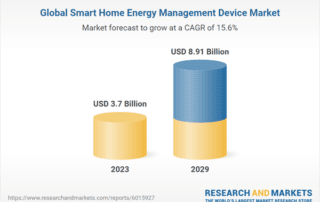
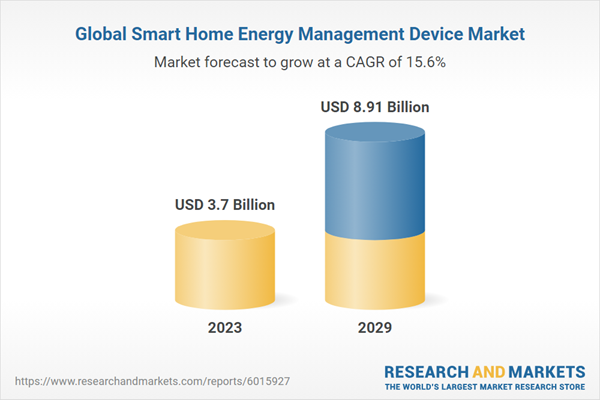
Smart Home Energy Management Devices: A Market Poised for Growth

The Global Smart Home Energy Management Device Market is on the brink of a significant transformation, driven by escalating demands for energy-efficient solutions and the increasing adoption of smart home technologies.