Are Virtual Tours Still Worth It in Real Estate? Evidence from 75,000 Home Sales

In an era where technology continues to reshape the landscape of real estate, the role of virtual tours remains a topic of debate. According to a recent study published by HBS Working Knowledge, virtual tours, which surged in popularity during the COVID-19 pandemic, might not significantly enhance home sale prices or reduce the time properties spend on the market.

The comprehensive research, conducted by Isamar Troncoso of Harvard Business School and Mengxia Zhang of Western University, analyzed over 75,000 home sales in the greater Los Angeles area. Their findings suggest that while virtual tours offer certain advantages, their impact on sales outcomes is less pronounced than previously thought.

Troncoso’s study, accessible here, reveals that the quality of photos and listing descriptions often overshadow the benefits of virtual tours. “Maybe it doesn’t help you to get a 5 percent sales price rise by using visual tools—but it might help sellers in many other ways,” Troncoso notes. In the post-pandemic world, the initial boost virtual tours provided seems to have waned, with traditional factors like location and presentation regaining their prominence.

The study utilized cutting-edge machine learning techniques to sift through data from the real estate platform Redfin, examining various aspects such as sale prices, market duration, and initial pricing strategies. Interestingly, only about 22 percent of the listings included virtual tours, and these often came with higher-quality photos and longer descriptions.

One intriguing insight from the research is the nuanced role of virtual tours in different neighborhoods. In areas served by smaller real estate firms or those less sought after, virtual tours might still offer a marginal benefit. Troncoso explains, “These are areas in which these technologies penetrated less. So that’s why you see a little bit more of a marginal effect when those sellers have virtual tours.”

For buyers, virtual tours can streamline the house-hunting process by helping them eliminate properties that don’t meet their criteria, making their search more efficient. “Maybe it doesn’t really get you to say, ‘Oh, now I really like that house,’ but it’s going to help you to be like, ‘Oh, I don’t like this one, so I won’t bother to go and see it,’” Troncoso adds.

As virtual tour technologies continue to evolve and become more affordable, their application might expand beyond home sales to areas like long- and short-term rentals. However, for now, the key takeaway for sellers is to prioritize high-quality photos and descriptions unless specific conditions suggest otherwise.

In conclusion, the study underscores the importance of context in leveraging virtual tours effectively in real estate. For further insights and related topics, readers can explore articles such as When Glasses Land the Gig: Employers Still Choose Workers Who ‘Look the Part’ and Shrinking the Racial Wealth Gap, One Mortgage at a Time.

For more information and to view the original research, visit the HBS Working Knowledge website.

More Articles

Getting licensed or staying ahead in your career can be a journey—but it doesn’t have to be overwhelming. Grab your favorite coffee or tea, take a moment to relax, and browse through our articles. Whether you’re just starting out or renewing your expertise, we’ve got tips, insights, and advice to keep you moving forward. Here’s to your success—one sip and one step at a time!

Florida Homeowners Finally Get Relief as Gov. DeSantis Announces Significant Insurance Premium Cuts

Florida homeowners — especially in hard‑hit South Florida — are set to see rare and substantial reductions in their property insurance premiums. Gov. Ron DeSantis announced an average statewide Citizens Insurance decrease of 8.7%, with even larger savings of up to 14% in counties like Miami-Dade, Broward, and Palm Beach. State officials credit recent legal and regulatory reforms for stabilizing the market, attracting new insurers, and delivering the first meaningful rate relief Floridians have seen in years.

Tampa’s Real Estate Market Enters a Smarter, More Selective Growth Phase

Tampa’s commercial real estate market isn’t slowing—it’s maturing. With strong population growth, rising office demand, a normalized industrial sector, resurgent retail, and an emerging health‑care real estate boom, investors are shifting from speed to strategy. Tighter underwriting, cautious capital and increased due‑diligence are shaping a more disciplined market, creating new opportunities for informed professionals.

Florida Slashes Home Insurance Rates: Biggest Drop in a Decade Sends Shockwaves Through the Market

Florida homeowners are finally seeing relief as Citizens Property Insurance announces a major 8.7% average rate decrease—far larger than originally proposed. Driven by legislative reforms, fewer lawsuits, and a calm hurricane season, the state’s once‑unstable insurance market is showing real signs of recovery. But with reduced coverage limits and shifting legal protections, experts warn that lower premiums may come with hidden trade‑offs.

Florida Homeowners Finally Get Insurance Relief After Years of Soaring Premiums

After a decade of rising premiums and retreating carriers, Florida homeowners are finally seeing long‑awaited relief. Dozens of insurers have filed for rate decreases—some as high as 11%—thanks to legislative reforms and a stabilizing market. Early approvals are already hitting counties across the state, and experts say the momentum could boost buyer confidence, affordability, and competition throughout Florida’s real estate and insurance sectors.

Self‑Storage Investing in 2026: A Market Thaw Opens the Door to Big Opportunities

After years of slowed activity caused by rising interest rates, the self‑storage industry is heating up again. New data from Marcus & Millichap shows a fresh market cycle emerging, driven by renewed buyer confidence, recalibrated pricing, and stronger lender participation. Acquisitions are rebounding, development is resetting in a healthier direction, and financing conditions are improving—creating one of the most promising investment landscapes the sector has seen in years.

Brookline’s Real Flood Risk: What FEMA’s New Maps Reveal—and What They Miss

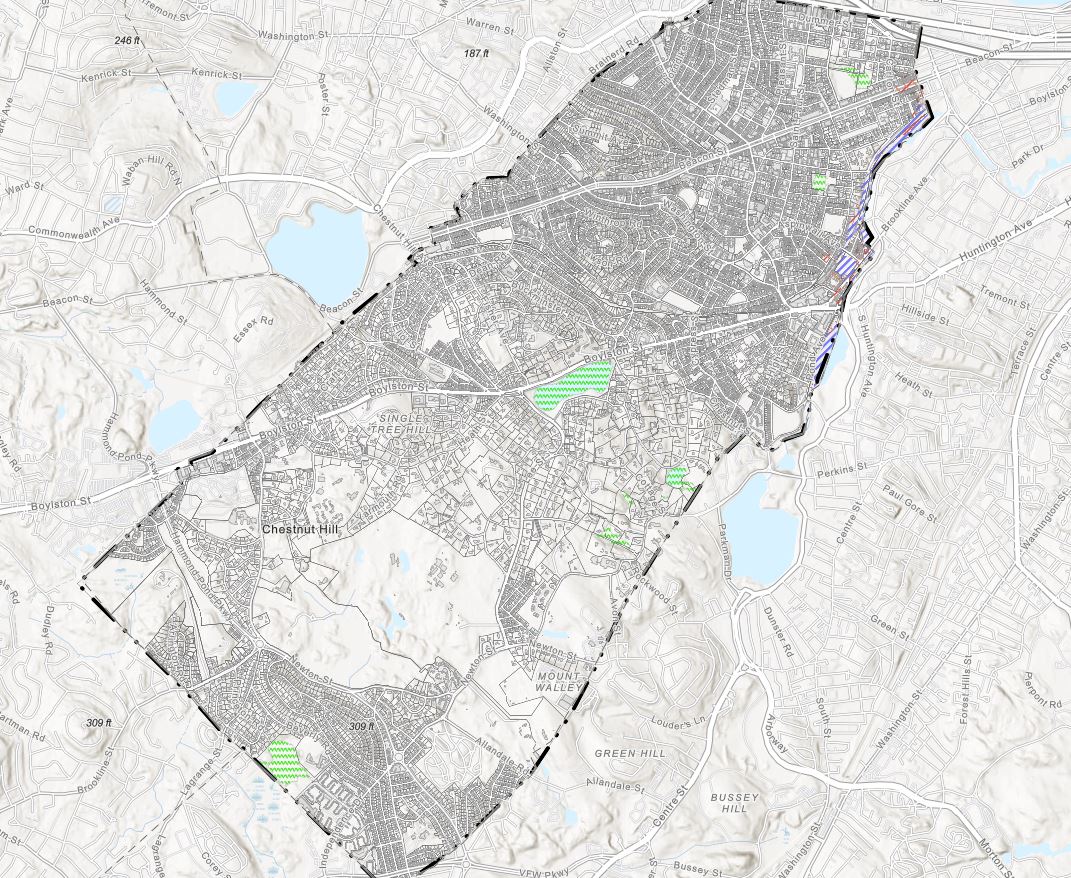
Brookline’s newly updated FEMA flood maps identify 97 high‑risk parcels, but local experts warn the true threat is far greater. While FEMA highlights river‑based flooding around Leverett Pond and the Muddy River, alternative models show more than 1,300 Brookline properties at risk within 30 years. Hidden vulnerabilities along major corridors like Beacon Street, rising rainfall intensity, aging infrastructure, and climate‑driven storm patterns suggest that many “low‑risk” areas may be anything but safe.