 “Across the entire patient experience, and wherever there is someone in need of care, nurses work tirelessly to identify and protect the needs of the individual,” said Dr. Lisa Bechok, a clinical faculty member for SNHU nursing programs. Her insights underscore the indispensable role of nurses in safeguarding public health, as they navigate the complexities of diagnosis, treatment, and public education.
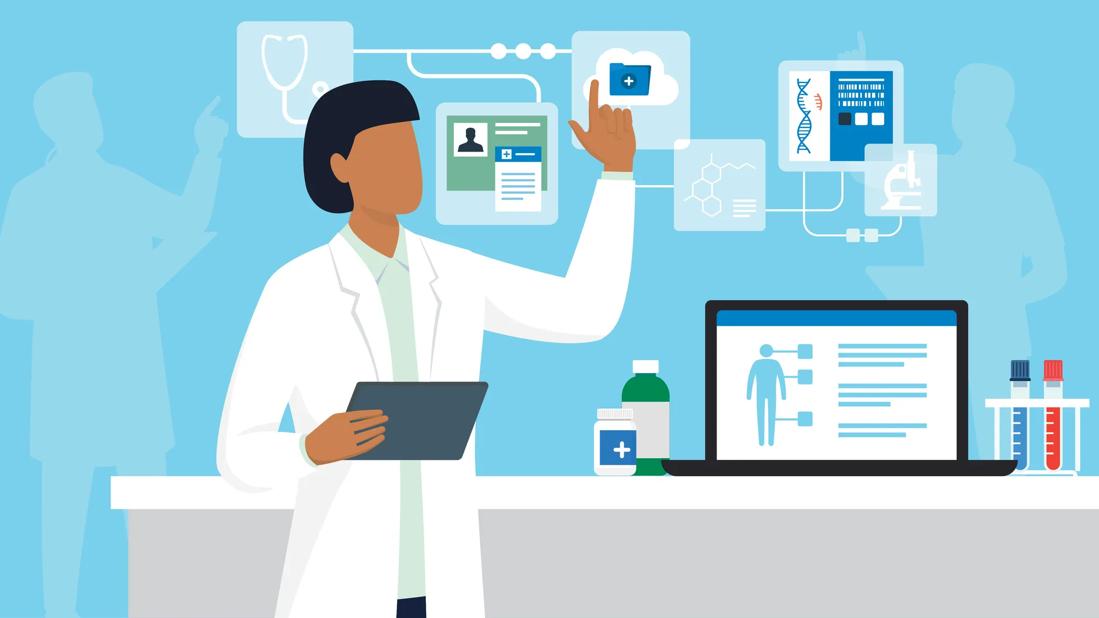
 Telehealth’s role is expansive, covering areas such as acute care, chronic care, follow-up, hospice, palliative, and primary care. By integrating telehealth services, nurses are equipped with new tools to reach patients and improve healthcare access, especially for underserved communities. As Dr. Bechok points out, “Telemedicine can remove geographical barriers, so that those in rural areas without easy access to care can still get the services they need.”
AI in Healthcare: A Revolution in Progress or Just Hype?
AI accelerated the development of mRNA vaccines during the COVID-19 pandemic and is now being leveraged to create new protections against many other diseases.

Getting licensed or staying ahead in your career can be a journey—but it doesn’t have to be overwhelming. Grab your favorite coffee or tea, take a moment to relax, and browse through our articles. Whether you’re just starting out or renewing your expertise, we’ve got tips, insights, and advice to keep you moving forward. Here’s to your success—one sip and one step at a time!
AI accelerated the development of mRNA vaccines during the COVID-19 pandemic and is now being leveraged to create new protections against many other diseases.
In a groundbreaking initiative, the National Institutes of Health (NIH) is spearheading a workshop titled "Artificial Intelligence in Precision Medicine for Diabetes and Other Chronic Diseases." This event is set to explore the transformative potential of artificial intelligence (AI) and machine learning (ML) in advancing precision medicine, particularly for diabetes and chronic diseases.
DeFi is emerging as a formidable disruptor to traditional banking systems, offering a new paradigm for handling financial transactions without intermediaries like banks.
With the rise of Bitcoin and decentralized finance (DeFi), traditional finance is experiencing a seismic shift. This transformation is not just a passing trend but a fundamental change in how financial systems operate, offering a fascinating juxtaposition of innovation and regulation.
The integration of AI into healthcare systems is not just a vision of the future; it is happening right now. Already, AI is being harnessed to develop new drugs, enhance diagnostic accuracy, and improve patient access to critical care.
In a significant stride towards modernizing New York City's landscape, the City Council has approved a landmark initiative aimed at revitalizing commercial zoning regulations.