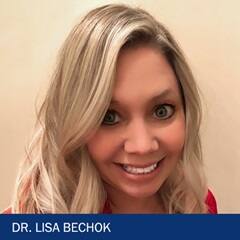
 “Across the entire patient experience, and wherever there is someone in need of care, nurses work tirelessly to identify and protect the needs of the individual,” said Dr. Lisa Bechok, a clinical faculty member for SNHU nursing programs. Her insights underscore the indispensable role of nurses in safeguarding public health, as they navigate the complexities of diagnosis, treatment, and public education.
 Telehealth’s role is expansive, covering areas such as acute care, chronic care, follow-up, hospice, palliative, and primary care. By integrating telehealth services, nurses are equipped with new tools to reach patients and improve healthcare access, especially for underserved communities. As Dr. Bechok points out, “Telemedicine can remove geographical barriers, so that those in rural areas without easy access to care can still get the services they need.”

New York City’s Commercial Real Estate on the Brink: A ‘Doom Loop’ Warning
In the bustling metropolis of New York City, the commercial real estate sector is teetering on the brink of a crisis reminiscent of the 1970s.

Getting licensed or staying ahead in your career can be a journey—but it doesn’t have to be overwhelming. Grab your favorite coffee or tea, take a moment to relax, and browse through our articles. Whether you’re just starting out or renewing your expertise, we’ve got tips, insights, and advice to keep you moving forward. Here’s to your success—one sip and one step at a time!
In the bustling metropolis of New York City, the commercial real estate sector is teetering on the brink of a crisis reminiscent of the 1970s.
In an era marked by high mortgage rates and soaring home prices, the quest for affordable housing has become a driving force reshaping migration trends across the United States.
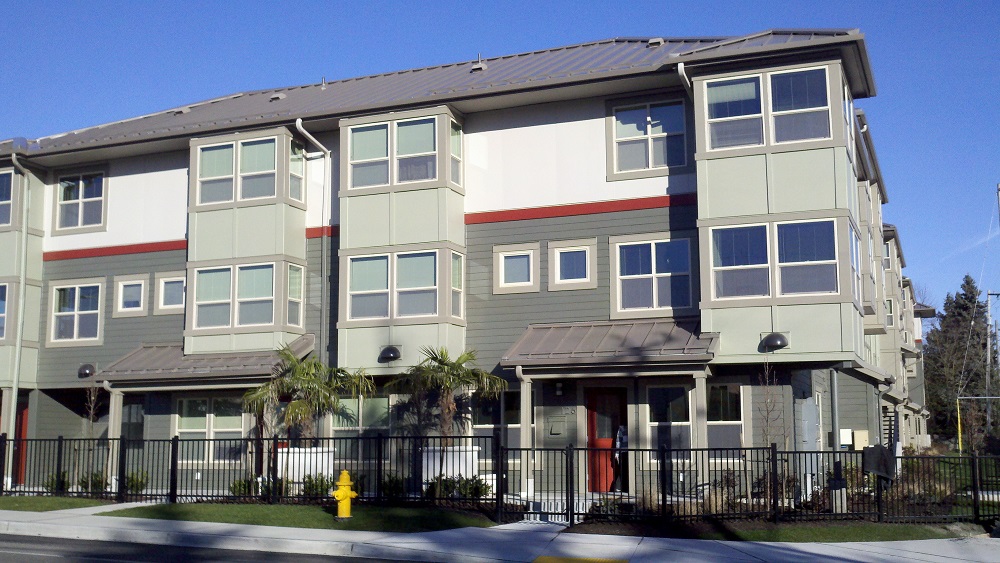
In a bold move to address the pressing housing needs of Washington's most vulnerable residents, the Washington State Department of Commerce has awarded $220,000 in growth management grants to seven community partnerships.
Blockchain offers a decentralized record-keeping system, enhancing transparency and reducing the need for intermediaries, paving the way for a more secure and efficient market landscape.
"Despite these increases, mortgage rates remain nearly a full percentage point lower than the year's high of 7.22%."
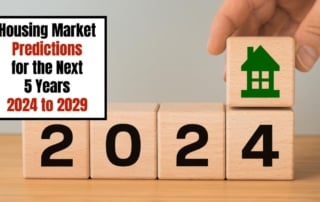
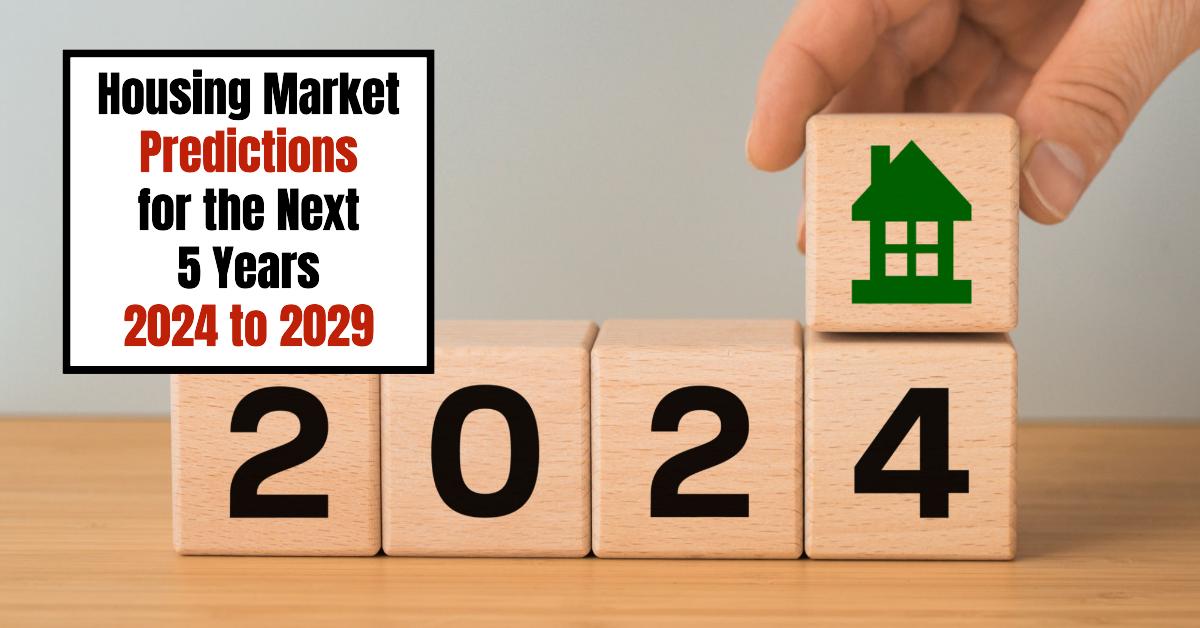
As the U.S. housing market braces for the next five years, experts are offering a range of predictions, from modest increases in home values to a potential shift towards a buyer's market.