Nurses, the unsung heroes on the front lines of patient care, are increasingly embracing telehealth technology as a core component of their roles. As reported by Southern New Hampshire University, telehealth offers a transformative opportunity to enhance patient outcomes and broaden access to healthcare. This shift is particularly pertinent in the face of an aging population and ongoing nursing shortages.
“Across the entire patient experience, and wherever there is someone in need of care, nurses work tirelessly to identify and protect the needs of the individual,” said Dr. Lisa Bechok, a clinical faculty member for SNHU nursing programs. Her insights underscore the indispensable role of nurses in safeguarding public health, as they navigate the complexities of diagnosis, treatment, and public education.
Telehealth: A New Era in Patient Care
Telehealth is defined by the National Institute of Biomedical Imaging and Bioengineering as the use of communication technology to provide medical care at a distance. This innovation allows patients to remain at home while receiving care, thereby reducing healthcare costs and improving outcomes. The U.S. Department of Health and Human Services notes that telehealth usage surged during the COVID-19 pandemic, highlighting its growing importance in healthcare delivery.
Telehealth’s role is expansive, covering areas such as acute care, chronic care, follow-up, hospice, palliative, and primary care. By integrating telehealth services, nurses are equipped with new tools to reach patients and improve healthcare access, especially for underserved communities. As Dr. Bechok points out, “Telemedicine can remove geographical barriers, so that those in rural areas without easy access to care can still get the services they need.”
Benefits and Challenges of Telehealth
The benefits of telehealth are manifold. It supports in-patient care, enables remote monitoring of vital signs, and facilitates real-time data sharing with doctors and specialists worldwide. Moreover, telehealth can significantly reduce healthcare costs. The National Cancer Institute reports that telehealth services can save patients an average of $147 to $186 per visit.
However, challenges remain. Limited access to broadband internet in rural areas, regulatory hurdles in medical licensure, and patient privacy concerns are barriers to widespread telehealth adoption. Despite these challenges, the pandemic has accelerated the integration of telehealth, offering new tools and technologies for nurses.
The Future of Telehealth in Nursing
As telehealth continues to evolve, it is clear that its role in nursing will only expand. While the technology offers flexibility and efficiency, it is crucial for both providers and patients to embrace its potential. Dr. Bechok emphasizes, “The role of the nurse in telehealth is no different than face-to-face nursing, it is just done in a different way using technology.”
In conclusion, telehealth represents a significant shift in healthcare delivery, offering a promising path forward for nursing. As we navigate this new era, the dedication and adaptability of nurses will remain the cornerstone of patient care.
More Articles
Getting licensed or staying ahead in your career can be a journey—but it doesn’t have to be overwhelming. Grab your favorite coffee or tea, take a moment to relax, and browse through our articles. Whether you’re just starting out or renewing your expertise, we’ve got tips, insights, and advice to keep you moving forward. Here’s to your success—one sip and one step at a time!
In the bustling world of real estate, where client management and property listings are the lifeline of business, a reliable CRM (Customer Relationship Management) system becomes an indispensable tool. As competition intensifies, with agents vying to outshine each other, choosing the right CRM can be the key to staying ahead.
In the ever-evolving world of real estate, the recent NAR multimillion dollar settlement has sent ripples through the industry, leaving brokers and agents scrambling to adapt. As the dust settles, questions loom over how these changes will impact both homebuyers and sellers.
The real estate industry is on the brink of a technological revolution, thanks to the versatile capabilities of ChatGPT, a chatbot developed by OpenAI. Since its online debut on November 30, 2022, ChatGPT has been transforming how real estate agents and brokers conduct business, offering innovative solutions to streamline tasks and boost productivity.
Engaging a knowledgeable real estate agent in Jamaica can lead to a successful and stress-free transaction. Their local expertise, negotiation skills, and access to exclusive listings position clients to make informed decisions and achieve their real estate goals.
The proposed legislative changes, set to take effect on January 1, 2025, aim to refine the definition of taxable 'structures.' The new definition explicitly includes only the building parts of photovoltaic (PV) farms, energy storage facilities, and standalone industrial facilities as liable for the 2% RET.

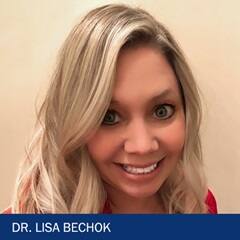 “Across the entire patient experience, and wherever there is someone in need of care, nurses work tirelessly to identify and protect the needs of the individual,” said Dr. Lisa Bechok, a clinical faculty member for SNHU nursing programs. Her insights underscore the indispensable role of nurses in safeguarding public health, as they navigate the complexities of diagnosis, treatment, and public education.
 Telehealth’s role is expansive, covering areas such as acute care, chronic care, follow-up, hospice, palliative, and primary care. By integrating telehealth services, nurses are equipped with new tools to reach patients and improve healthcare access, especially for underserved communities. As Dr. Bechok points out, “Telemedicine can remove geographical barriers, so that those in rural areas without easy access to care can still get the services they need.”