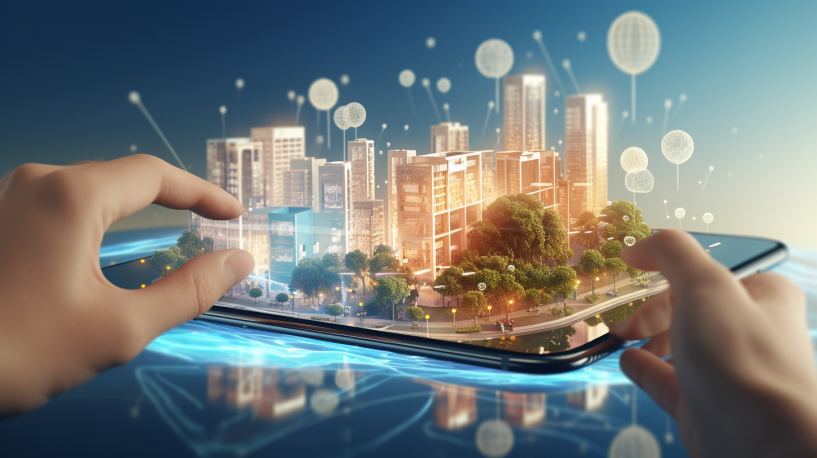
Nurses, the unsung heroes on the front lines of patient care, are increasingly embracing telehealth technology as a core component of their roles. As reported by Southern New Hampshire University, telehealth offers a transformative opportunity to enhance patient outcomes and broaden access to healthcare. This shift is particularly pertinent in the face of an aging population and ongoing nursing shortages.
“Across the entire patient experience, and wherever there is someone in need of care, nurses work tirelessly to identify and protect the needs of the individual,” said Dr. Lisa Bechok, a clinical faculty member for SNHU nursing programs. Her insights underscore the indispensable role of nurses in safeguarding public health, as they navigate the complexities of diagnosis, treatment, and public education.
Telehealth: A New Era in Patient Care
Telehealth is defined by the National Institute of Biomedical Imaging and Bioengineering as the use of communication technology to provide medical care at a distance. This innovation allows patients to remain at home while receiving care, thereby reducing healthcare costs and improving outcomes. The U.S. Department of Health and Human Services notes that telehealth usage surged during the COVID-19 pandemic, highlighting its growing importance in healthcare delivery.
Telehealth’s role is expansive, covering areas such as acute care, chronic care, follow-up, hospice, palliative, and primary care. By integrating telehealth services, nurses are equipped with new tools to reach patients and improve healthcare access, especially for underserved communities. As Dr. Bechok points out, “Telemedicine can remove geographical barriers, so that those in rural areas without easy access to care can still get the services they need.”
Benefits and Challenges of Telehealth
The benefits of telehealth are manifold. It supports in-patient care, enables remote monitoring of vital signs, and facilitates real-time data sharing with doctors and specialists worldwide. Moreover, telehealth can significantly reduce healthcare costs. The National Cancer Institute reports that telehealth services can save patients an average of $147 to $186 per visit.
However, challenges remain. Limited access to broadband internet in rural areas, regulatory hurdles in medical licensure, and patient privacy concerns are barriers to widespread telehealth adoption. Despite these challenges, the pandemic has accelerated the integration of telehealth, offering new tools and technologies for nurses.
The Future of Telehealth in Nursing
As telehealth continues to evolve, it is clear that its role in nursing will only expand. While the technology offers flexibility and efficiency, it is crucial for both providers and patients to embrace its potential. Dr. Bechok emphasizes, “The role of the nurse in telehealth is no different than face-to-face nursing, it is just done in a different way using technology.”
In conclusion, telehealth represents a significant shift in healthcare delivery, offering a promising path forward for nursing. As we navigate this new era, the dedication and adaptability of nurses will remain the cornerstone of patient care.
More Articles
Getting licensed or staying ahead in your career can be a journey—but it doesn’t have to be overwhelming. Grab your favorite coffee or tea, take a moment to relax, and browse through our articles. Whether you’re just starting out or renewing your expertise, we’ve got tips, insights, and advice to keep you moving forward. Here’s to your success—one sip and one step at a time!
"Mortgage applications decrease" amid rise in fixed-rate mortgages, detailed in a report by the Mortgage Bankers Association. The report also explores ARM's role, refinance and purchase applications, and increases in Federal Housing Administration loans for a comprehensive industry view.
"Exploring the potential of AI and Web3 technologies in real estate at Cameron Academy, we provide courses equipped to simplify complex transactions and streamline real estate operations. By leveraging AI, agents can handle increasing complexities, optimizing productivity for the future of real estate."
One of the major driving forces is the job market recovery in these states. As the pandemic impact gradually subsides, these states have not merely recovered the jobs lost during the crisis but have seen a substantial 5% increase in employment opportunities.
"Achieving financial freedom often requires unconventional actions, including making seemingly suboptimal portfolio decisions. At Cameron Academy, we provide courses that guide you through such bold decisions, focusing on creating reliable income and not just wealth accumulation."
Discover the "Fannie Mae’s new prefund QC requirements" and understand the importance of quality control strategies in loan lending. Navigate loan repurchase requests from Fannie Mae effectively with our varied courses at Cameron Academy. Explore the potential of third-party QC firms for prefund requirements.
One of the key characteristics that sets early education property investment apart is the prevalence of long-term leases. These leases provide security for both the tenant and the landlord, substantially reducing the risk of vacancy.

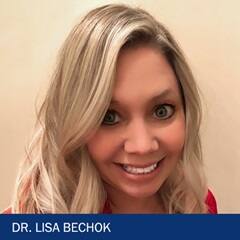 “Across the entire patient experience, and wherever there is someone in need of care, nurses work tirelessly to identify and protect the needs of the individual,” said Dr. Lisa Bechok, a clinical faculty member for SNHU nursing programs. Her insights underscore the indispensable role of nurses in safeguarding public health, as they navigate the complexities of diagnosis, treatment, and public education.
 Telehealth’s role is expansive, covering areas such as acute care, chronic care, follow-up, hospice, palliative, and primary care. By integrating telehealth services, nurses are equipped with new tools to reach patients and improve healthcare access, especially for underserved communities. As Dr. Bechok points out, “Telemedicine can remove geographical barriers, so that those in rural areas without easy access to care can still get the services they need.”