In the rapidly evolving world of healthcare technology, the rise of telemedicine and remote patient monitoring has opened new frontiers for patient care. However, these advancements also widen the footprint for potential vulnerabilities, making data protection more crucial than ever. The original article from Health Data Management underscores the urgent need for healthcare organizations to prioritize secure data exchange and implement robust cybersecurity measures.
The Consequences of Data Breaches
The consequences of poor data security can be devastating. In 2019, over 500 breaches in the healthcare sector compromised millions of electronic health records. Such breaches often lead to stolen personal information, including Social Security numbers and medical histories, which can result in identity theft and insurance fraud. Beyond financial damage, these incidents erode patient trust, making individuals hesitant to share critical health information with their providers, thus hindering effective treatment.
Challenges and Solutions in Secure Data Exchange
The complexity of healthcare systems presents unique challenges for secure data exchange. With vast amounts of sensitive information circulating, the industry is vulnerable to cyber threats, human error, and technical malfunctions. Implementing strong encryption methods for data at rest and in transit is essential. Encryption ensures that even if a breach occurs, the data remains unreadable without the proper keys. Regular network monitoring can help identify potential vulnerabilities before they escalate.
Employee training is another critical solution. Human error accounts for a significant portion of data breaches in healthcare. Educating staff on best practices for data security can significantly reduce risks.
Keys to Successful Data Security
Healthcare organizations can enhance their data security efforts through several practical steps:
As healthcare technologies advance, so must strategies for securing data. The rise of telemedicine and remote patient monitoring makes secure data exchange critical for maintaining patient confidentiality. By staying abreast of evolving cybersecurity threats and implementing robust measures, healthcare organizations can protect sensitive information and maintain patient trust.
The original article serves as a clarion call for improved data protection, emphasizing the importance of a proactive approach to cybersecurity in healthcare.
By fostering a culture of cybersecurity awareness and prioritizing data security, we can ensure trust in our healthcare systems while delivering quality care to patients.
More Articles
Getting licensed or staying ahead in your career can be a journey—but it doesn’t have to be overwhelming. Grab your favorite coffee or tea, take a moment to relax, and browse through our articles. Whether you’re just starting out or renewing your expertise, we’ve got tips, insights, and advice to keep you moving forward. Here’s to your success—one sip and one step at a time!
Despite billions poured into proptech and a decade of flashy digital upgrades, the real estate experience remains largely unchanged. Apps made processes smoother, but not more transparent — because the industry’s core structures, data control and power dynamics stayed the same. True disruption will come from platforms that shift information and control to consumers, not just digitize outdated systems.
Early 2026 is delivering a clear message: commercial real estate is entering a recalibration phase. Construction is softening, pending home sales just saw a sharp drop, consumer sentiment is inching upward but remains fragile, and capital markets are tightening as major CRE sectors face rising distress. From data centers powering ahead to CMBS foreclosures climbing and office-to-residential conversions gaining momentum, professionals across real estate, mortgage, insurance, and finance need to stay sharp as the industry shifts.
Discover the real estate roles earning the biggest paychecks in 2026. From investment consultants to commercial leasing managers, this breakdown highlights the salaries, responsibilities, and career paths offering the strongest financial potential in today’s evolving market—perfect for newcomers and seasoned professionals mapping their next big move.
Montana is taking major steps to remove outdated licensing barriers and strengthen its workforce. Governor Greg Gianforte has created a new Licensing Reform Task Force aimed at modernizing regulations, speeding up approvals, and helping more professionals enter high‑demand fields like construction and healthcare. With licensing numbers doubling over the past decade and rural communities facing critical shortages, the state is pushing for faster, more efficient pathways to work. The task force begins meeting in February and will deliver its full reform report by September 2026 — a move that could influence licensing modernization efforts nationwide.
Artificial intelligence has officially moved from novelty to necessity in the real estate world. According to new industry data, 97% of brokerage leaders say their agents now rely on AI tools for everything from listing descriptions to full-scale marketing campaigns. As adoption skyrockets, so do concerns over training, accuracy, and compliance — especially among smaller firms. The message is clear: for today’s real estate professionals, AI literacy isn’t optional anymore.
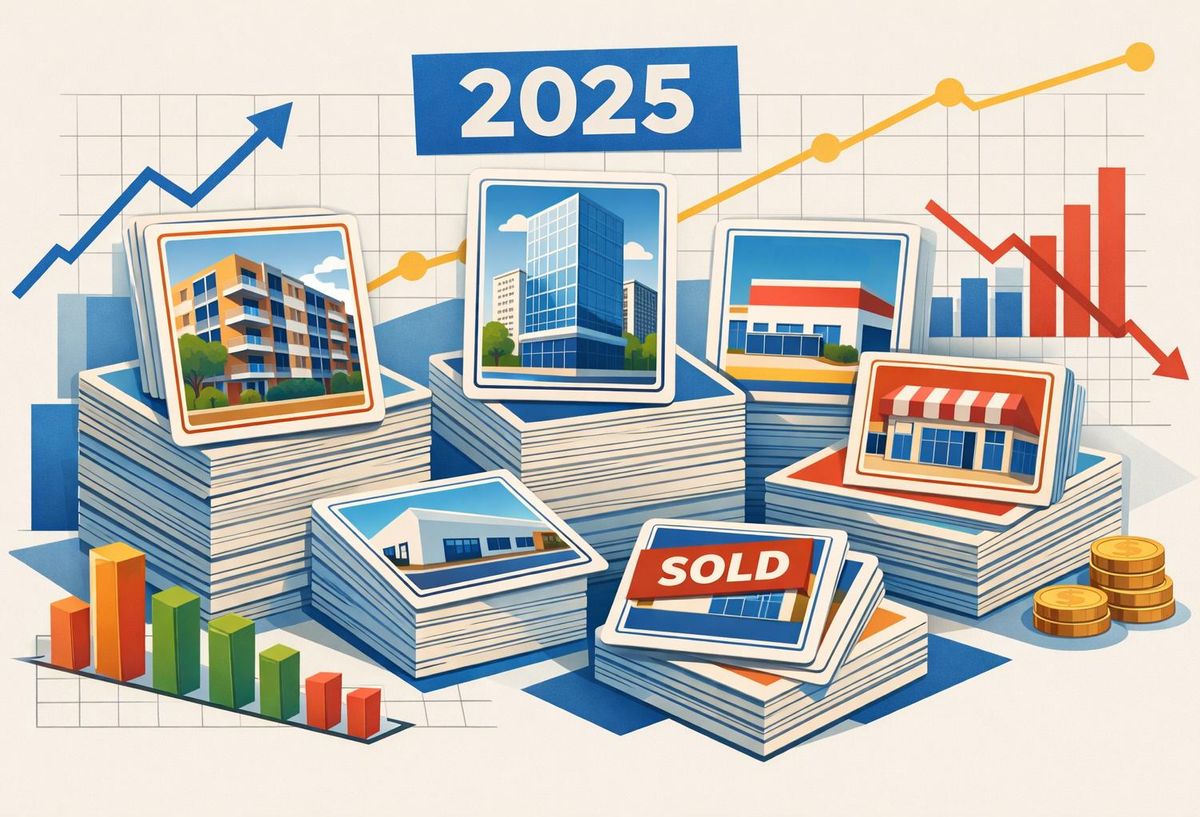
Commercial real estate roared back to life in 2025, with more than $255B pouring into multifamily, industrial, office and retail assets. Major investors moved fast on falling interest rates, improving bond yields and rising confidence across sectors. Multifamily dominated with over $115B in deals, industrial surged under private equity leadership, office saw renewed activity from owner-users and retail proved surprisingly resilient. For today’s real estate and finance professionals, the message is clear: opportunity favors those who stay informed and ready to act.