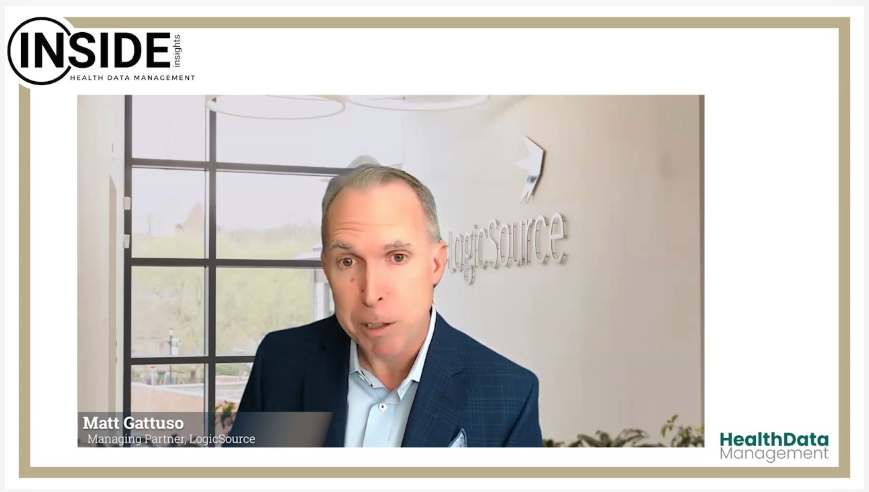
In the rapidly evolving world of healthcare technology, the rise of telemedicine and remote patient monitoring has opened new frontiers for patient care. However, these advancements also widen the footprint for potential vulnerabilities, making data protection more crucial than ever. The original article from Health Data Management underscores the urgent need for healthcare organizations to prioritize secure data exchange and implement robust cybersecurity measures.
The Consequences of Data Breaches
The consequences of poor data security can be devastating. In 2019, over 500 breaches in the healthcare sector compromised millions of electronic health records. Such breaches often lead to stolen personal information, including Social Security numbers and medical histories, which can result in identity theft and insurance fraud. Beyond financial damage, these incidents erode patient trust, making individuals hesitant to share critical health information with their providers, thus hindering effective treatment.
Challenges and Solutions in Secure Data Exchange
The complexity of healthcare systems presents unique challenges for secure data exchange. With vast amounts of sensitive information circulating, the industry is vulnerable to cyber threats, human error, and technical malfunctions. Implementing strong encryption methods for data at rest and in transit is essential. Encryption ensures that even if a breach occurs, the data remains unreadable without the proper keys. Regular network monitoring can help identify potential vulnerabilities before they escalate.
Employee training is another critical solution. Human error accounts for a significant portion of data breaches in healthcare. Educating staff on best practices for data security can significantly reduce risks.
Keys to Successful Data Security
Healthcare organizations can enhance their data security efforts through several practical steps:
As healthcare technologies advance, so must strategies for securing data. The rise of telemedicine and remote patient monitoring makes secure data exchange critical for maintaining patient confidentiality. By staying abreast of evolving cybersecurity threats and implementing robust measures, healthcare organizations can protect sensitive information and maintain patient trust.
The original article serves as a clarion call for improved data protection, emphasizing the importance of a proactive approach to cybersecurity in healthcare.
By fostering a culture of cybersecurity awareness and prioritizing data security, we can ensure trust in our healthcare systems while delivering quality care to patients.
More Articles
Getting licensed or staying ahead in your career can be a journey—but it doesn’t have to be overwhelming. Grab your favorite coffee or tea, take a moment to relax, and browse through our articles. Whether you’re just starting out or renewing your expertise, we’ve got tips, insights, and advice to keep you moving forward. Here’s to your success—one sip and one step at a time!
In an industry as competitive as real estate education, there's an instinctive push to keep an eye on competitors, tracking their every move to stay #ReadMore
Looking for a more engaging learning experience? Our Livestreams may be just what you need! With our livestreams, students have the opportunity to engage #ReadMore
Are You Ready To Join the World of Mortgage Professionals? With the right training and resources, you can become a successful mortgage loan originator. #ReadMore
Experience a more personalised touch with our virtual courses, offering an intimate learning environment to remotely enhance your skills. Through our one-on-one video calls, #ReadMore