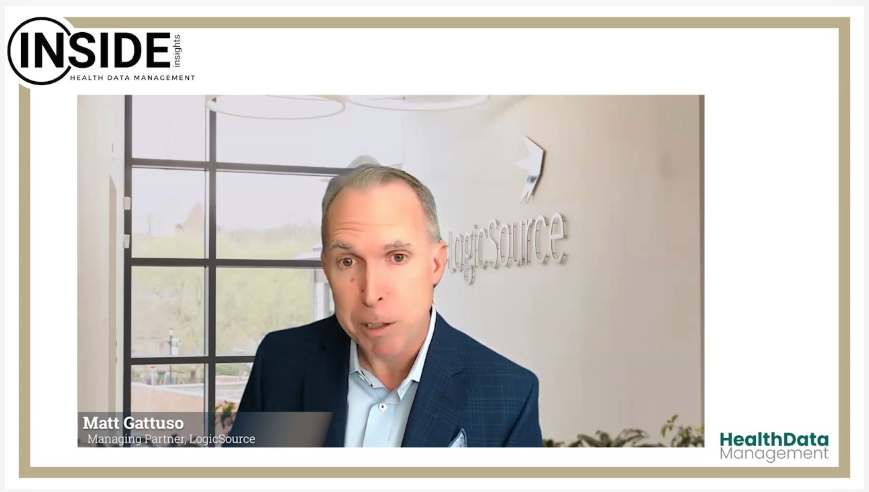
In the rapidly evolving world of healthcare technology, the rise of telemedicine and remote patient monitoring has opened new frontiers for patient care. However, these advancements also widen the footprint for potential vulnerabilities, making data protection more crucial than ever. The original article from Health Data Management underscores the urgent need for healthcare organizations to prioritize secure data exchange and implement robust cybersecurity measures.
The Consequences of Data Breaches
The consequences of poor data security can be devastating. In 2019, over 500 breaches in the healthcare sector compromised millions of electronic health records. Such breaches often lead to stolen personal information, including Social Security numbers and medical histories, which can result in identity theft and insurance fraud. Beyond financial damage, these incidents erode patient trust, making individuals hesitant to share critical health information with their providers, thus hindering effective treatment.
Challenges and Solutions in Secure Data Exchange
The complexity of healthcare systems presents unique challenges for secure data exchange. With vast amounts of sensitive information circulating, the industry is vulnerable to cyber threats, human error, and technical malfunctions. Implementing strong encryption methods for data at rest and in transit is essential. Encryption ensures that even if a breach occurs, the data remains unreadable without the proper keys. Regular network monitoring can help identify potential vulnerabilities before they escalate.
Employee training is another critical solution. Human error accounts for a significant portion of data breaches in healthcare. Educating staff on best practices for data security can significantly reduce risks.
Keys to Successful Data Security
Healthcare organizations can enhance their data security efforts through several practical steps:
As healthcare technologies advance, so must strategies for securing data. The rise of telemedicine and remote patient monitoring makes secure data exchange critical for maintaining patient confidentiality. By staying abreast of evolving cybersecurity threats and implementing robust measures, healthcare organizations can protect sensitive information and maintain patient trust.
The original article serves as a clarion call for improved data protection, emphasizing the importance of a proactive approach to cybersecurity in healthcare.
By fostering a culture of cybersecurity awareness and prioritizing data security, we can ensure trust in our healthcare systems while delivering quality care to patients.
More Articles
Getting licensed or staying ahead in your career can be a journey—but it doesn’t have to be overwhelming. Grab your favorite coffee or tea, take a moment to relax, and browse through our articles. Whether you’re just starting out or renewing your expertise, we’ve got tips, insights, and advice to keep you moving forward. Here’s to your success—one sip and one step at a time!
The title and real estate industries are entering their most dramatic compliance overhaul in decades. FinCEN’s new anti‑money‑laundering rule now applies to every state, enforces a first‑dollar reporting requirement, and places full responsibility on settlement agents. With the rule already in effect and mandatory reporting beginning March 1, 2026, professionals face urgent operational changes involving software, training, and entity‑buyer disclosures. Combined with state‑level rate shifts and heightened scrutiny of attorney opinion letters, 2025 marks a turning point that demands stronger compliance literacy across the entire real estate and finance ecosystem.
Retirement planning went through major changes in 2025, from new SECURE Act updates to shifting investment behaviors. As we move into 2026, seven key trends are reshaping how Americans save and build long‑term wealth. These shifts matter not only for everyday investors but also for professionals across real estate, finance, mortgage, insurance, and other licensed fields. Understanding these developments can help you strengthen your own financial strategy while staying competitive in your career.
Florida’s housing market is cooling faster than any other state, and soaring insurance premiums are the primary force driving buyers away. With cancellation rates in major metros topping 20%, steep price drops across Southwest Florida, rising HOA and condo fees, and thousands of homes added to new flood zones, many buyers are discovering that insurance—not the mortgage—is what kills the deal. As Citizens shrinks and new legislation raises coverage requirements, professionals in real estate, mortgage, and insurance must adapt quickly to a market where affordability hinges on risk, regulation, and rising premiums.
Commercial real estate is entering 2026 with renewed optimism as pricing floors, revitalized capital markets, and improved market visibility signal a shift away from the volatility of 2025. Analysts from Deloitte, Colliers, Cushman & Wakefield, and CoStar highlight firmer fundamentals, rising deal flow, and increased lender participation. Key sectors such as office, industrial, retail, multifamily, and data centers are showing distinct recovery patterns, positioning industry professionals and students for new opportunities in the year ahead.
Florida’s property insurance market is finally stabilizing after years of storms, lawsuits, and rising rates — yet many homeowners are still seeing higher bills. The reason isn’t the rates themselves but soaring replacement values driven by inflation in labor and building materials. Even as insurers lower rates, the cost to rebuild a home continues to rise, making up roughly 75% of recent premium increases. With new insurers entering the market and reforms taking effect, homeowners now have more options to shop, recalculate coverage, and control their costs.
The 2026 job market is shifting fast, and the biggest winners will be professionals who can prove they’re continuously learning. With more than 90% of employers now preferring candidates with microcredentials, short targeted certificates are becoming the new career currency. From AI and data skills to modern communication and adaptability, microcredentials are helping workers stand out in a competitive landscape — especially as industries like real estate, mortgage, insurance, and finance demand ongoing upskilling.