In the ever-evolving landscape of technology, autonomous driving continues to accelerate, reshaping industries and redefining our daily commutes. As highlighted in a recent article from Forvia, the advancements in autonomous driving technology and Advanced Driver Assistance Systems (ADAS) are not confined to the automotive sector alone. These innovations extend to logistics, retail, and other controlled environments, showcasing their versatility and potential.
Industry Insights: What’s New in Autonomous Driving?
The automotive world is abuzz with announcements from major players like Tesla, Rimac, Renault, and Nissan, each unveiling plans to introduce autonomous vehicles in the near future. Tesla’s much-anticipated “CyberCab” is set for an October 2024 debut, while Rimac and Renault are gearing up for releases in 2026. Nissan’s ambitious rollout of autonomous-drive mobility services by 2027 aims to serve both urban and rural areas in Japan.
Understanding the Levels of Automation
The journey towards fully autonomous vehicles is marked by progressive levels of automation, each reducing the need for human intervention. Here’s a brief overview:
Level 1 to Level 2: Systems assist with steering and acceleration/braking, but drivers must remain vigilant.
Level 2 to Level 3: Vehicles can handle all driving tasks under specific conditions, with drivers ready to take over if needed.
Level 3 to Level 4: Cars manage all functions independently within defined areas, though manual control is still possible.
Level 5: Full automation is achieved, eliminating the need for human intervention entirely.
Key Players and Technological Advancements
In 2024, a significant majority of vehicles in Europe and America will feature Level 1 autonomous driving capabilities. Car manufacturers are focusing on developing Level 2 and Level 3 vehicles, with companies like BMW, Hyundai-Kia, and Stellantis leading the charge. Meanwhile, tech giants such as Google and Amazon are also making strides in the autonomous vehicle market, often through strategic partnerships and joint ventures.
Transforming Vehicle Interiors
As autonomous technology advances, the interior of vehicles is undergoing a remarkable transformation. FORVIA, a leader in automotive technology, is pioneering innovations to enhance safety, comfort, and personalization in autonomous vehicles. From smart surfaces and innovative interfaces to full cabin infotainment systems, the focus is on creating an experience akin to a mobile living room.
Global Collaborations and Regulatory Progress
The development of autonomous vehicles is a global effort, with manufacturers forming alliances to share technology and mitigate costs. Regions like Asia are heavily investing in infrastructure to support autonomous vehicles, while states such as California and Arizona in the U.S. provide flexible regulatory environments for testing.
Regulatory frameworks are crucial for the safe deployment of these technologies. Countries like Germany and states in the U.S. are paving the way with laws that permit real-world testing and operation of Level 4 autonomous vehicles, setting the stage for broader adoption.
More Articles
Getting licensed or staying ahead in your career can be a journey—but it doesn’t have to be overwhelming. Grab your favorite coffee or tea, take a moment to relax, and browse through our articles. Whether you’re just starting out or renewing your expertise, we’ve got tips, insights, and advice to keep you moving forward. Here’s to your success—one sip and one step at a time!
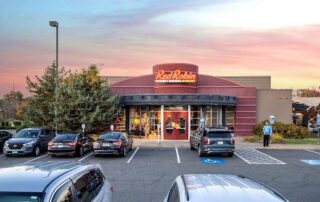
Newman Properties, a Massachusetts-based investment firm, has expanded its footprint into Connecticut with the $3.65 million acquisition of a 6,350‑square‑foot retail building in Enfield. Anchored by national restaurant chain Red Robin, the property offers the type of stable tenancy investors seek when entering new markets. The deal underscores growing confidence in anchored retail assets and provides a valuable real-world example for real estate professionals studying market analysis, investment strategy, and portfolio expansion.
JPMorgan now expects national home prices to flatten in 2026, but the Sunbelt is telling a very different story. Florida home values are down 5.1%, Texas is down 2.4%, and analysts warn that years of rapid building are finally catching up to the region. As demand stabilizes and inventory swells, real estate professionals — especially in Florida — face a market full of challenges, opportunities, and critical timing decisions.
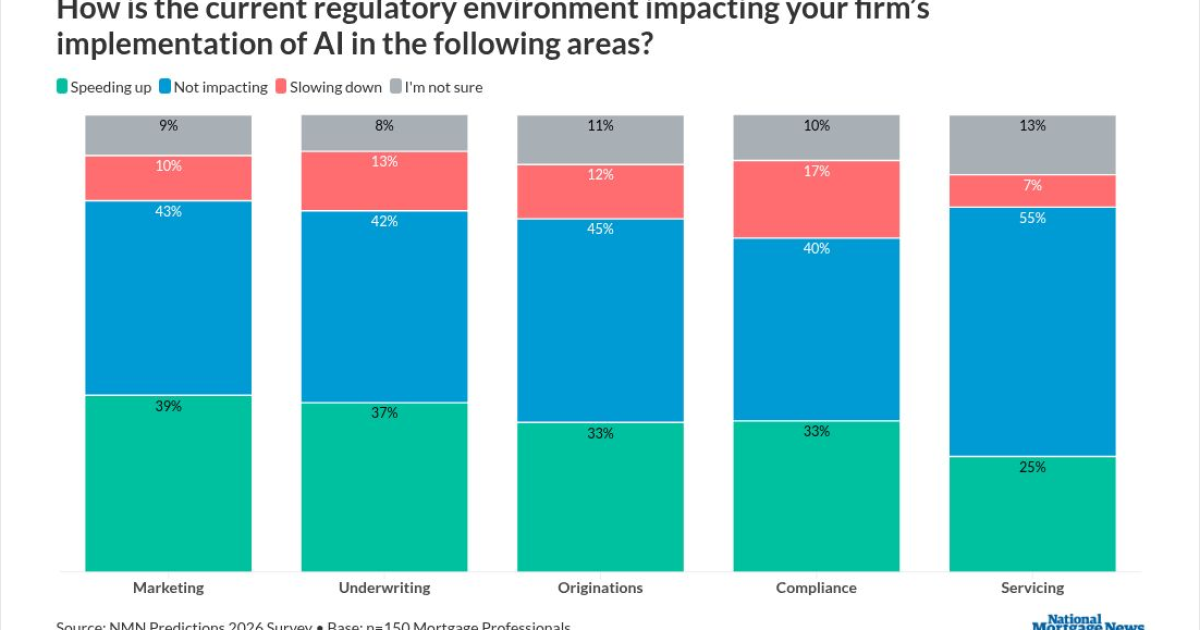
Artificial intelligence is finally stepping into the mortgage underwriting spotlight, with 57% of mortgage professionals predicting it will drive the most transformative industry shift in 2026. Thanks to major advancements in language models and workflow automation, AI is now capable of navigating the messy, document-heavy realities that have long slowed underwriting. From faster preapprovals to improved credit analysis and real‑time income verification, AI is streamlining processes while allowing underwriters to focus on true risk management. As regulatory winds shift and grassroots pressure builds within lending teams, the industry is entering a pivotal era where AI‑powered underwriting becomes not just an advantage — but an expectation.
Portland’s top 20 office towers have lost an unprecedented 70% of their value since 2019—plunging from $3 billion to under $1 billion—triggering tax revenue shortfalls, budget crises, and a surge in appeals as the city grapples with its biggest commercial real estate reset in modern history.
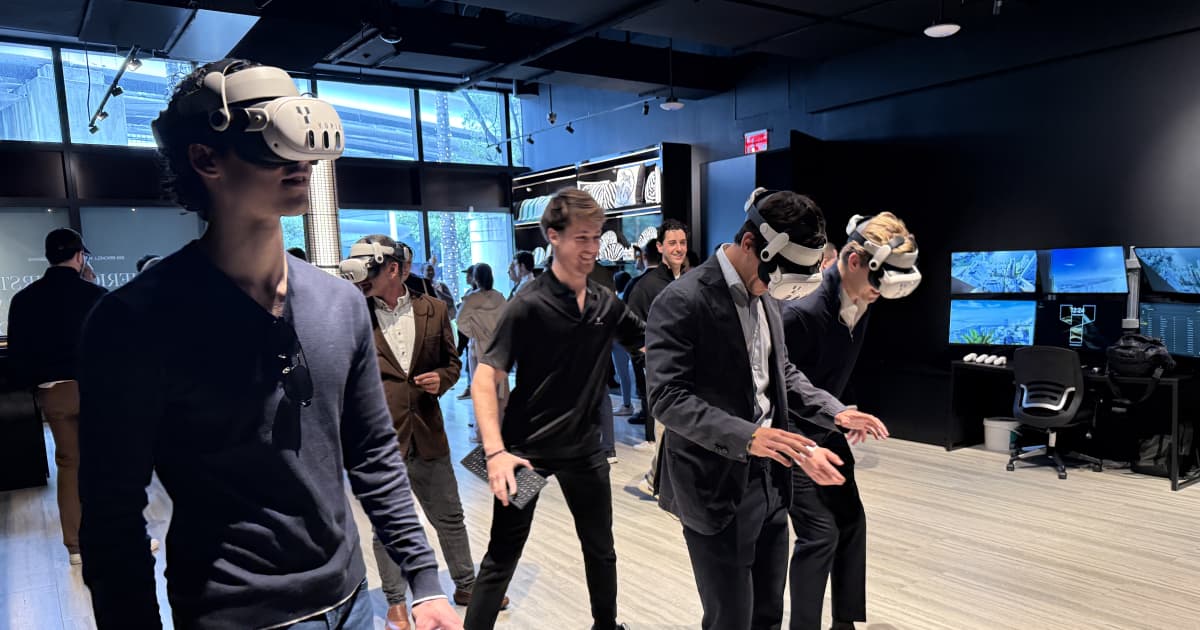
South Florida’s luxury real estate market just raised the bar again — this time with a $1 million virtual reality system that lets buyers walk through Dolce & Gabbana’s upcoming Miami tower long before construction wraps. Real estate master’s students were given an immersive look inside the project, discovering how VR is transforming high‑end development, influencing buyer psychology, and shaping the future skills today’s professionals need.
Long Island’s commercial real estate scene is kicking off 2026 with a surge of activity—industrial leases in Medford, neighborhood retail trades in Bohemia, Pizza Hut’s new DELCO expansion in Centereach, mixed‑use acquisitions in Melville, and major investor interest in bank‑leased and franchise-backed properties. From warehouses to restaurant rebrands, these deals highlight a region evolving fast and offering fresh opportunities for agents, investors, and professionals looking to stay ahead in the market.