In the ever-evolving landscape of technology, autonomous driving continues to accelerate, reshaping industries and redefining our daily commutes. As highlighted in a recent article from Forvia, the advancements in autonomous driving technology and Advanced Driver Assistance Systems (ADAS) are not confined to the automotive sector alone. These innovations extend to logistics, retail, and other controlled environments, showcasing their versatility and potential.
Industry Insights: What’s New in Autonomous Driving?
The automotive world is abuzz with announcements from major players like Tesla, Rimac, Renault, and Nissan, each unveiling plans to introduce autonomous vehicles in the near future. Tesla’s much-anticipated “CyberCab” is set for an October 2024 debut, while Rimac and Renault are gearing up for releases in 2026. Nissan’s ambitious rollout of autonomous-drive mobility services by 2027 aims to serve both urban and rural areas in Japan.
Understanding the Levels of Automation
The journey towards fully autonomous vehicles is marked by progressive levels of automation, each reducing the need for human intervention. Here’s a brief overview:
Level 1 to Level 2: Systems assist with steering and acceleration/braking, but drivers must remain vigilant.
Level 2 to Level 3: Vehicles can handle all driving tasks under specific conditions, with drivers ready to take over if needed.
Level 3 to Level 4: Cars manage all functions independently within defined areas, though manual control is still possible.
Level 5: Full automation is achieved, eliminating the need for human intervention entirely.
Key Players and Technological Advancements
In 2024, a significant majority of vehicles in Europe and America will feature Level 1 autonomous driving capabilities. Car manufacturers are focusing on developing Level 2 and Level 3 vehicles, with companies like BMW, Hyundai-Kia, and Stellantis leading the charge. Meanwhile, tech giants such as Google and Amazon are also making strides in the autonomous vehicle market, often through strategic partnerships and joint ventures.
Transforming Vehicle Interiors
As autonomous technology advances, the interior of vehicles is undergoing a remarkable transformation. FORVIA, a leader in automotive technology, is pioneering innovations to enhance safety, comfort, and personalization in autonomous vehicles. From smart surfaces and innovative interfaces to full cabin infotainment systems, the focus is on creating an experience akin to a mobile living room.
Global Collaborations and Regulatory Progress
The development of autonomous vehicles is a global effort, with manufacturers forming alliances to share technology and mitigate costs. Regions like Asia are heavily investing in infrastructure to support autonomous vehicles, while states such as California and Arizona in the U.S. provide flexible regulatory environments for testing.
Regulatory frameworks are crucial for the safe deployment of these technologies. Countries like Germany and states in the U.S. are paving the way with laws that permit real-world testing and operation of Level 4 autonomous vehicles, setting the stage for broader adoption.
More Articles
Getting licensed or staying ahead in your career can be a journey—but it doesn’t have to be overwhelming. Grab your favorite coffee or tea, take a moment to relax, and browse through our articles. Whether you’re just starting out or renewing your expertise, we’ve got tips, insights, and advice to keep you moving forward. Here’s to your success—one sip and one step at a time!
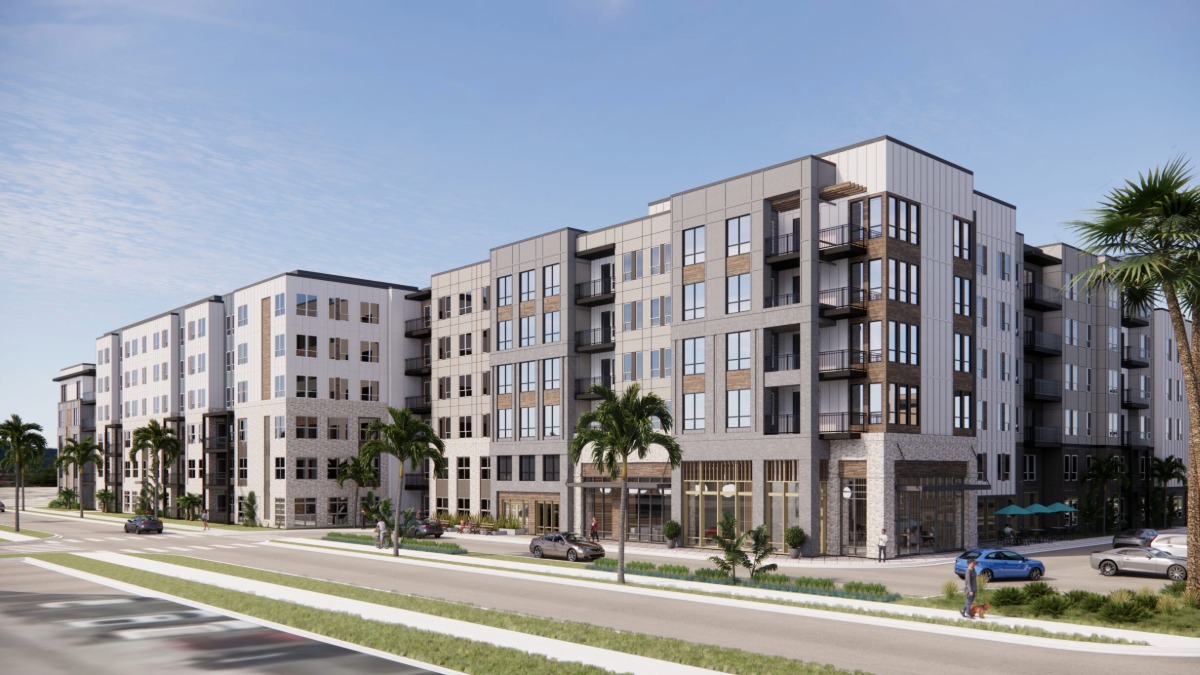
Landmark Properties has officially begun construction on The Mark Tampa, a six‑story luxury student community featuring over 800 beds, rooftop amenities, study spaces, retail, and modern unit layouts. Set to open before the 2027–2028 school year, the project signals strong investor confidence in North Tampa’s booming student housing market.
Florida’s property and auto insurance crisis is intensifying, setting the stage for a major political showdown ahead of the 2026 elections. Republicans argue recent reforms are finally stabilizing the market, while Democrats insist families are being crushed by soaring premiums and can’t wait for relief. With homeowners, condo associations, and insurers all feeling the pressure, lawmakers are preparing for one of the most consequential legislative battles in years.
Markets are betting heavily on a Federal Reserve rate cut in December, but that doesn’t guarantee lower mortgage rates. Even with an 85% chance of a cut priced in, mortgage rates move more with the 10‑year Treasury than the Fed itself — and recent history shows rates can rise even when the Fed eases. Today’s 6.43% average rate is the lowest in over a year, but still unpredictable, making financial readiness more important than trying to time the market.
Grand Junction is experiencing a powerful commercial real estate upswing, with 151 commercial units closed so far in 2025—a 36% jump from last year. Building permits are also up 23%, signaling expanding development momentum. Brokers say interest from national chains is accelerating the city’s evolution, bringing jobs, investment, and long‑term economic potential to Colorado’s Western Slope.
Nashville continues its rise as one of the nation’s most attractive real estate markets, landing the #6 spot in the Emerging Trends in Real Estate 2026 report from PwC and ULI. With strong demographic momentum, business expansion, and a development pipeline drawing national eyes, the city stands out amid shifting economic conditions. The report highlights fast‑growing sectors such as data centers, senior housing, and evolving office dynamics—offering real estate professionals valuable insight into where opportunities are emerging next.
Canada’s commercial real estate sector continues to evolve rapidly, with new data revealing major transactions, shifting investment patterns, and emerging economic signals across the country. From resilient retail spending to cooling construction and regional standouts like Montreal and the Prairies, this week’s CRE pulse—powered by Altus Group’s research team—gives real estate, mortgage, and finance professionals a sharp snapshot of the market forces to watch as 2025 winds down.