In the ever-evolving landscape of technology, autonomous driving continues to accelerate, reshaping industries and redefining our daily commutes. As highlighted in a recent article from Forvia, the advancements in autonomous driving technology and Advanced Driver Assistance Systems (ADAS) are not confined to the automotive sector alone. These innovations extend to logistics, retail, and other controlled environments, showcasing their versatility and potential.
Industry Insights: What’s New in Autonomous Driving?
The automotive world is abuzz with announcements from major players like Tesla, Rimac, Renault, and Nissan, each unveiling plans to introduce autonomous vehicles in the near future. Tesla’s much-anticipated “CyberCab” is set for an October 2024 debut, while Rimac and Renault are gearing up for releases in 2026. Nissan’s ambitious rollout of autonomous-drive mobility services by 2027 aims to serve both urban and rural areas in Japan.
Understanding the Levels of Automation
The journey towards fully autonomous vehicles is marked by progressive levels of automation, each reducing the need for human intervention. Here’s a brief overview:
Level 1 to Level 2: Systems assist with steering and acceleration/braking, but drivers must remain vigilant.
Level 2 to Level 3: Vehicles can handle all driving tasks under specific conditions, with drivers ready to take over if needed.
Level 3 to Level 4: Cars manage all functions independently within defined areas, though manual control is still possible.
Level 5: Full automation is achieved, eliminating the need for human intervention entirely.
Key Players and Technological Advancements
In 2024, a significant majority of vehicles in Europe and America will feature Level 1 autonomous driving capabilities. Car manufacturers are focusing on developing Level 2 and Level 3 vehicles, with companies like BMW, Hyundai-Kia, and Stellantis leading the charge. Meanwhile, tech giants such as Google and Amazon are also making strides in the autonomous vehicle market, often through strategic partnerships and joint ventures.
Transforming Vehicle Interiors
As autonomous technology advances, the interior of vehicles is undergoing a remarkable transformation. FORVIA, a leader in automotive technology, is pioneering innovations to enhance safety, comfort, and personalization in autonomous vehicles. From smart surfaces and innovative interfaces to full cabin infotainment systems, the focus is on creating an experience akin to a mobile living room.
Global Collaborations and Regulatory Progress
The development of autonomous vehicles is a global effort, with manufacturers forming alliances to share technology and mitigate costs. Regions like Asia are heavily investing in infrastructure to support autonomous vehicles, while states such as California and Arizona in the U.S. provide flexible regulatory environments for testing.
Regulatory frameworks are crucial for the safe deployment of these technologies. Countries like Germany and states in the U.S. are paving the way with laws that permit real-world testing and operation of Level 4 autonomous vehicles, setting the stage for broader adoption.
More Articles
Getting licensed or staying ahead in your career can be a journey—but it doesn’t have to be overwhelming. Grab your favorite coffee or tea, take a moment to relax, and browse through our articles. Whether you’re just starting out or renewing your expertise, we’ve got tips, insights, and advice to keep you moving forward. Here’s to your success—one sip and one step at a time!
Cybercrime in 2025 has evolved into a full‑scale service economy, with malware now available through subscription platforms that operate like mainstream tech businesses. Bitsight’s latest analysis reveals explosive growth in Malware‑as‑a‑Service tools, rising attacks across industries like healthcare, finance, tech, and real estate, and a surge in cross‑platform malware and supply‑chain exploits. For professionals in any licensed field, the message is clear: today’s digital landscape demands heightened vigilance, stronger identity security, and proactive defense against an increasingly organized underground threat environment.
A new proptech startup in the UAE, Gllit is redefining how property deals happen by removing agents, eliminating commissions, and integrating AI tools that let users create professional listings in seconds. With a fast, transparent, and direct-to-owner model, Gllit offers a glimpse into the future of global real estate — and a powerful case study for U.S. professionals preparing for tech-driven changes in the industry.
The 2026 housing market is shaping up to be a year of stability with a few surprises. Mortgage rates are expected to hold steady, home price growth is slowing, and yet ownership costs continue to rise due to soaring taxes and insurance. Meanwhile, renting is becoming more attractive as affordability improves and built‑to‑rent communities expand. This breakdown highlights the biggest trends ahead — and what they mean for buyers, sellers, and real estate professionals, especially in Florida.
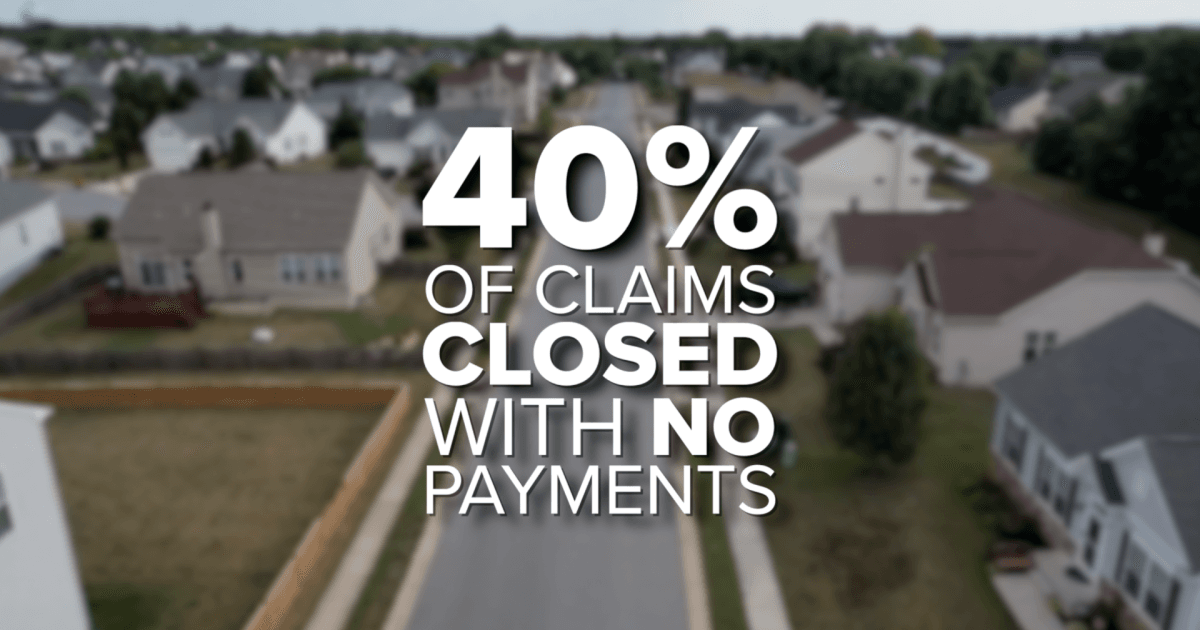
Florida homeowners are facing some of the highest insurance premiums in the nation, with average costs now topping $5,800 per year—about $3,000 above the U.S. average. Many residents report their rates have doubled or even tripled, while more than 40 percent of claims are closed with no payment. As frustration grows, state lawmakers and consumer advocates are pushing for transparency, rate caps, and incentives to help storm‑proof homes. The outcome of these reform efforts could reshape Florida’s real estate market, insurance landscape, and affordability for years to come.
A new global study from Risk.net and SAS reveals that many insurance companies are still making key decisions in isolated silos, despite industry-wide pushes toward data-driven strategies. While most leaders claim to have a clear vision, 38 percent admit they lack a real-time view of risks, revenue and costs. With poor data quality, limited collaboration and outdated processes holding teams back, experts say the industry is poised for a major transformation through AI, analytics and unified strategy—offering lessons for professionals across insurance, real estate, finance and other regulated fields.
Atlanta’s housing market is shifting into a more balanced and predictable phase. Prices have leveled off, inventory has finally caught up, and mortgage rates are easing enough to bring buyers back into the game. With steady demand, growing listings, and only mild price corrections forecasted into 2026, Atlanta remains one of the Southeast’s strongest real estate markets for buyers, sellers, and investors alike.