“`html

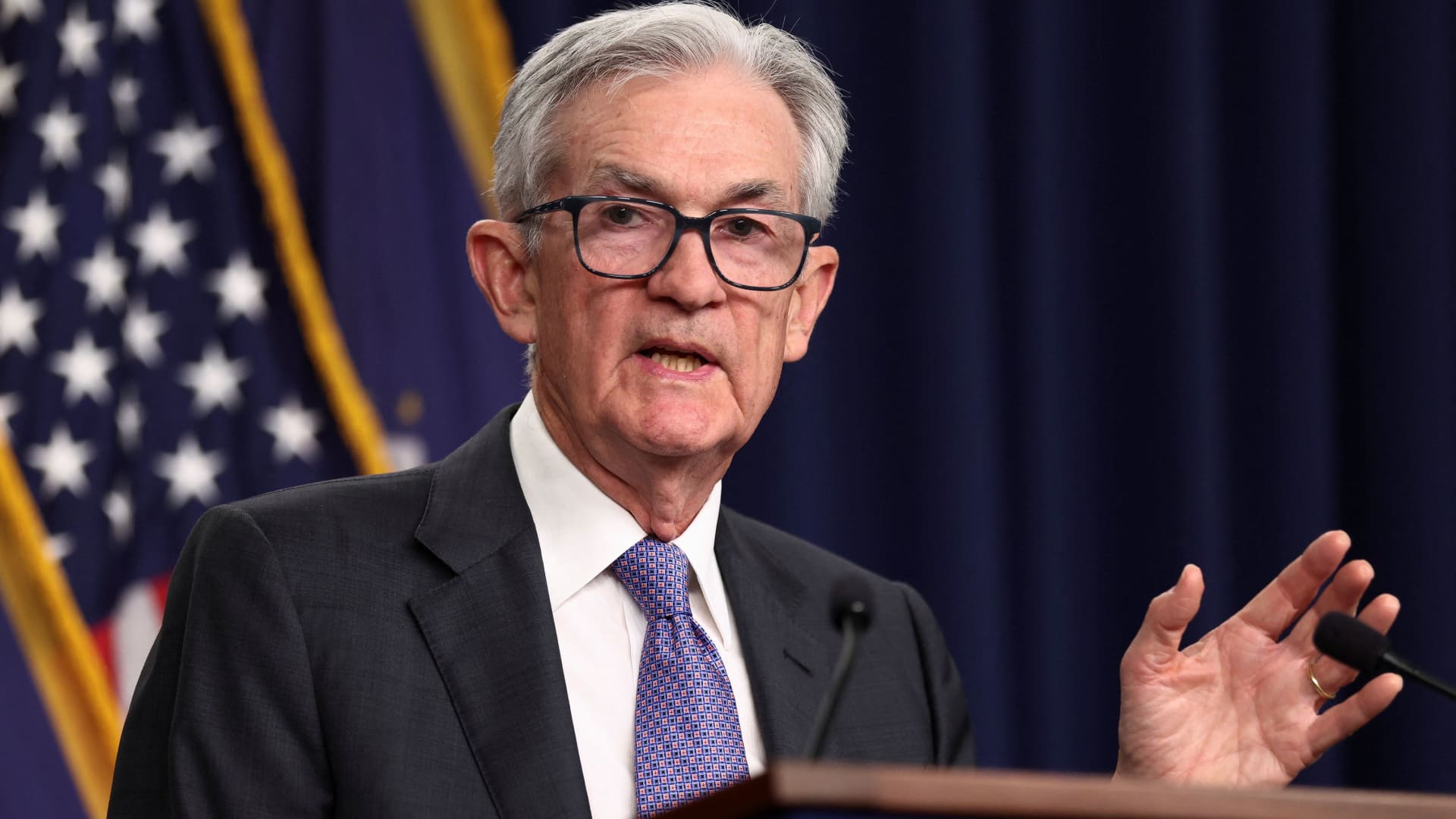
The Federal Reserve’s recent decision to cut its benchmark interest rate by half a percentage point has sent ripples through the housing market, offering a glimmer of hope for homebuyers. This unexpected move, described by Bill Banfield, chief business officer at Rocket Companies, as giving “a little extra,” comes at a time when mortgage rates have already seen a significant decline over the past year.

According to Bankrate’s national survey of large lenders, mortgage rates have fallen from 8.01 percent in October 2023 to 6.20 percent as of September 18. This shift by the Federal Reserve could potentially invigorate the housing market, encouraging both buyers and sellers to engage more actively.

Lisa Sturtevant, chief economist at Bright MLS, notes that declining interest rates are particularly beneficial for homebuyers facing affordability challenges. She anticipates that this reduction in borrowing costs will not only fuel demand but also increase the supply of homes available for sale, thereby stabilizing home prices in various local markets.

The Federal Reserve and the Housing Market

The Federal Reserve’s earlier rate hikes had a cooling effect on the housing market, leading to a sharp drop in home sales while pushing home prices to record highs. Now, with inflation on the decline, the Fed’s policy shift represents a pivotal moment in monetary policy.

Mike Fratantoni, chief economist at the Mortgage Bankers Association, suggests that if mortgage rates remain near current levels, the housing market could experience a stronger-than-usual fall season, with a potential rebound in activity next spring.

How the Fed Affects Mortgage Rates

Although the Federal Reserve does not directly set mortgage rates, its policies significantly influence them. Mortgage rates typically move in tandem with 10-year Treasury yields. The Fed’s actions set the overall tone, impacting how much consumers pay for home loans.

Historically, low mortgage rates have fueled housing booms, as seen in 2020 and 2021. However, when rates surged to levels unseen in two decades, the market slowed dramatically. Despite this, home prices reached unprecedented levels, with the nationwide median existing-home price hitting $422,600 in July, close to the all-time high of $426,900 in June.

Fratantoni points out that elevated mortgage rates and steep home-price growth have significantly reduced affordability. Yet, as rates decline, affordability could improve, potentially drawing more buyers into the market.

Next Steps for Borrowers

  • Shop around for a mortgage: Conducting an online search can help find lenders offering lower rates and competitive fees. Savvy shopping can save thousands of dollars.
  • Be cautious about ARMs: Adjustable-rate mortgages might seem tempting, but they come with the risk of higher future rates. Borrowers should avoid using ARMs as a crutch for affordability.
  • Consider a home equity loan or HELOC: Homeowners can tap into their home equity with a HELOC, which might be more cost-effective than refinancing at higher rates.
“`

More Articles

Getting licensed or staying ahead in your career can be a journey—but it doesn’t have to be overwhelming. Grab your favorite coffee or tea, take a moment to relax, and browse through our articles. Whether you’re just starting out or renewing your expertise, we’ve got tips, insights, and advice to keep you moving forward. Here’s to your success—one sip and one step at a time!

Fed Survey Shows Only Two More Rate Cuts Expected, Even if Trump Appoints a New Fed Chair

A new CNBC Fed Survey reveals that economists expect just two additional interest rate cuts in 2026 and none in 2027, even if President Donald Trump appoints a more dovish Federal Reserve chair. Strong economic growth, stable inflation, and reduced recession fears are keeping rate‑cut expectations limited, signaling a more stable long‑term environment for real estate, mortgage, and financial professionals.

15 States on the Brink: America’s Insurance Crisis Is Spreading Faster Than Anyone Expected

A nationwide insurance crisis is accelerating as climate‑driven disasters push premiums higher, force insurers out of multiple states, and reshape real estate and mortgage markets. Once limited to Florida and California, the instability now threatens 15 states where losses, extreme weather, and insurer withdrawals are creating mounting risks for homeowners and industry professionals alike.

Commercial Real Estate in 2026: Rightsizing, Cool Offices, and a Market Waiting for Clarity

Commercial real estate is entering 2026 with a cautious but strategic shift. Companies are ditching oversized offices in favor of smaller, higher‑quality spaces packed with amenities that attract today’s workforce. Downtown markets like Portland remain steady, while suburban vacancies rise and landlords get creative with incentives. Industrial real estate is cooling after years of explosive growth, and developers are hesitating—though multifamily and hotel projects continue to push forward. Overall, the theme of the year is patience, as businesses wait for clearer signals on interest rates, construction costs, and long‑term workplace trends.

The Real Reason Housing Isn’t Affordable—And Why Deregulation Won’t Save Us

A new study from leading urban scholars reveals that zoning laws and construction slowdowns aren’t the true cause of America’s housing crisis. Even with massive building booms, rents would barely drop for decades. The real culprit? Soaring economic inequality. Until the widening wealth gap is addressed, policies like upzoning and deregulation won’t make housing affordable for working Americans—and may even push prices higher.

Cambio Raises $18M To Transform Commercial Real Estate Workflows With AI

Cambio, a fast‑growing AI proptech company, has secured an $18 million Series A at a $100 million valuation, aiming to overhaul how commercial real estate firms process documents and make investment decisions. By converting messy PDFs, spreadsheets, and audit files into investor‑ready insights in minutes, the platform is rapidly expanding—now active in 35 countries and managing data for over 2 billion square feet of assets.

Florida’s Insurance Market Enters 2026 With Rare Good News — Stability Returns for Homeowners and Real Estate Professionals

Florida’s insurance market is finally showing signs of real recovery heading into 2026. Industry leaders say recent legal reforms have sharply reduced lawsuits, allowing insurers to stabilize rates — and even introduce reductions for the first time in years. With new companies entering the state and solvency at its strongest level in more than a decade, real estate and mortgage professionals may benefit from improved buyer confidence and smoother closings as insurance becomes more predictable again.