In a move that has captured the attention of the housing market, the Federal Reserve recently announced a significant interest rate cut by half a percentage point. This decision, as reported by Oregon Public Broadcasting (OPB), might not transform home affordability overnight, but it is poised to influence the housing landscape in several notable ways.
Mortgage Rates: A Mixed Bag
Mortgage rates have seen a rollercoaster ride over the past few years. During the pandemic, rates dipped below 3% for a 30-year fixed-rate mortgage, only to surge to nearly 8% amid economic recovery and inflation. Currently, rates have settled at around 6.2%, as noted by Freddie Mac. While the Federal Reserve’s rate cut has been partly anticipated, senior economist Charlie Dougherty from Wells Fargo predicts only a marginal drop in mortgage rates in the near term. The expectation is that rates might hover around 6.2% by year-end, with a potential decrease to 5.5% by the end of 2025.
The Paradox of Lower Rates and Higher Prices
Interestingly, lower mortgage rates could paradoxically lead to higher home prices. As more buyers enter the market, competition for a limited supply of homes could intensify. This scenario presents a particular challenge for first-time buyers, who have already faced hurdles due to past bidding wars and high mortgage rates. Real estate agents like Kim Kronenberger from Denver express concern for buyers who hoped for better affordability, only to find the market still challenging.
Building Up the Supply
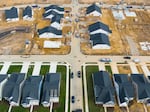
One of the core issues driving high home prices is the lack of housing supply. The U.S. faces a significant shortfall in housing units, as highlighted by a Harvard study. High interest rates have previously hampered homebuilders, particularly smaller developers, from initiating new projects. However, the recent rate cut could ease borrowing conditions for these builders, encouraging new construction and potentially alleviating the housing shortage over time.
Affordability Remains Elusive
Despite the potential benefits of lower mortgage rates, affordability remains a significant hurdle for many. Home prices have surged by approximately 50% since early 2020, outpacing household income growth. This disparity, as Wells Fargo’s Dougherty points out, continues to make housing unattainable for many prospective buyers. Furthermore, the “lock-in effect” keeps existing homeowners reluctant to sell, given the higher rates they would face on new mortgages.
Greg McBride, chief financial analyst at Bankrate.com, underscores that while mortgage rates have dipped slightly, the housing market remains sluggish. High home prices and limited inventory continue to pose challenges that a rate cut alone cannot resolve.
Conclusion
The Federal Reserve’s recent interest rate cut offers a glimmer of hope for the housing market, but it is not a panacea. The interplay between mortgage rates, demand, supply, and affordability will continue to shape the market dynamics in the coming months. For more insights, refer to the full article on OPB’s website.
Getting licensed or staying ahead in your career can be a journey—but it doesn’t have to be overwhelming. Grab your favorite coffee or tea, take a moment to relax, and browse through our articles. Whether you’re just starting out or renewing your expertise, we’ve got tips, insights, and advice to keep you moving forward. Here’s to your success—one sip and one step at a time!
Cameron Academy's state-approved 63-hour Florida Real Estate Sales Associate Pre-License Course begins April 13, 2026 at the Dr. Phillips campus in Orlando. Attend in person or join live via Zoom. Morning schedule, expert instruction, and only 14 seats remaining. Enroll now before this class fills up.
The Florida real estate licensing exam is the single biggest gatekeeper between you and a career in one of the nation's most active real estate markets. And the numbers don't sugarcoat it: roughly half of all first-time test-takers in Florida walk out without a passing score. According to data compiled by Colibri Real Estate, Florida's first-time pass rate sits at approximately 51%, with about 41,900 candidates taking the exam each year.
Part-Time vs. Full-Time: Can You Get Your Real Estate License While Working a 9‑to‑5? The honest, data-backed guide to earning your license around a day #ReadMore
Florida’s 2026 legislative session brought significant victories for real estate professionals, with Realtor advocacy preserving key regulatory structures, strengthening property rights, improving major housing programs, and protecting agents from new liabilities. From blocking the dismantling of the Florida Real Estate Commission to advancing bills that support safer, more transparent transactions, these wins shape a more stable future for Florida agents, brokers, and consumers.
AI‑enhanced listing images are transforming real estate marketing, but they’re also creating a growing trust problem. Tools that once simply brightened rooms can now erase damage, add furniture, or even generate entirely new scenes, fueling a trend known as “housefishing.” As complaints rise and states like California introduce disclosure laws, the industry is being forced to confront a new reality: the more perfect the photos get, the more renters and buyers crave authenticity.
Florida homeowners hit by Hurricane Milton face an important April 9 deadline to file or reopen supplemental insurance claims. With more than 385,000 claims and over 5.6 billion dollars in losses already reported, experts warn that waiting until construction is completed could leave families without the additional funds they’re owed. An 18‑month window applies to supplemental claims, and missing it could cause insurance companies to deny further reimbursement.