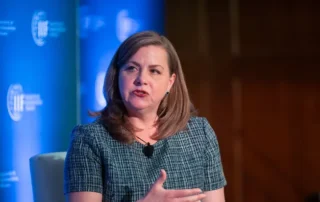
The Fed Just Cut Rates Again — Here’s What It Really Means for Mortgage Shoppers in 2026
The Federal Reserve has officially pushed interest rates to their lowest point since 2022, marking the third rate cut in just four months — and the ripple effects are already spreading across financial markets. With the benchmark federal funds rate now sitting between 3.50% and 3.75%, homebuyers, homeowners, and real estate professionals are eagerly wondering what comes next for mortgage rates.
The original report from CBS News, written by Senior Editor Angelica Leicht, breaks down the facts behind this major shift. We’re taking that information a step further to translate it into what matters for today’s professionals — especially those in real estate, mortgage finance or anyone navigating the housing market landscape.
Tap here to read the full CBS News original article.
The Fed Cut Rates — Will Mortgage Rates Finally Follow?
Here’s the big takeaway: mortgage rates don’t automatically move when the Fed cuts rates. They’re shaped by economic expectations, bond yields and investor sentiment — not the benchmark rate itself.
Still, this cut has weight. When the Fed signals a more dovish outlook, inflation expectations begin to cool and the 10‑year Treasury yield softens — and that yield is the true driver of long‑term mortgage rate movement.
Because the market anticipated this cut weeks ahead of time, lenders have already priced in part of the change. But overall conditions point toward gradual downward pressure in the coming months.
Quick Insight: Watch the 10‑year Treasury. If it trends down, mortgage rates are likely to follow.
How This Could Affect Borrowers
Even a slight dip in mortgage rates can reshape affordability. A reduction of just 0.25% could widen buying options, reduce monthly payments or allow more buyers to qualify.
Homeowners carrying high‑peak 2023 mortgages may finally see new refinancing opportunities in 2026. If rates continue easing, millions could benefit.
Lower borrowing costs also tend to invigorate the real estate market — adding momentum for buyers, sellers, agents, brokers and mortgage originators preparing for a busier year.
Lender Competition May Heat Up
As more consumers enter the market, lenders often sharpen pricing, discounts and incentives. Borrowers who shop around could enjoy meaningful long‑term savings.
Build your edge: Thinking about entering or advancing in real estate or mortgage lending? Cameron Academy offers flexible, online licensing and continuing education programs crafted for today’s evolving market.
The Bottom Line
The Fed’s latest rate cut marks a pivotal moment — not just for financial markets, but for buyers, sellers and professionals across the housing industry. Mortgage rates won’t drop overnight, but the direction is becoming more favorable.
Professionals who stay alert, analyze rate shifts and prepare new scenarios will be best positioned as 2026 unfolds.
And as always, staying informed is one of the strongest professional advantages — and Cameron Academy is committed to keeping you ahead of the curve.
More Articles
Getting licensed or staying ahead in your career can be a journey—but it doesn’t have to be overwhelming. Grab your favorite coffee or tea, take a moment to relax, and browse through our articles. Whether you’re just starting out or renewing your expertise, we’ve got tips, insights, and advice to keep you moving forward. Here’s to your success—one sip and one step at a time!
Florida’s insurance market is under intense pressure as millions of residents and trillions in property wealth cluster along hurricane‑vulnerable coastlines. This article breaks down how decades of growth in high‑risk zones created today’s crisis, why traditional pricing models can’t keep up, and what real estate and insurance professionals must do to stay ahead. It offers actionable insights on underwriting, risk communication, policy partnerships, and resilience planning—critical knowledge for anyone advising Florida homeowners or navigating the state’s evolving insurance landscape.
Florida’s homeowners insurance market may have stabilized, but not in the way residents hoped. After years of runaway increases, premiums have stopped spiking—but they’re holding at painfully high levels. Coastal properties remain the hardest hit, with some policies topping $15,000 a year, while insurers continue demanding costly upgrades and resisting calls for transparency. For real estate professionals, understanding these pricing pressures is becoming essential as insurance costs increasingly shape buyer decisions across the state.
Florida homeowners face soaring premiums, shrinking insurer options, and storms that grow stronger each year. This article breaks down what hurricane insurance actually covers, how deductibles really work, why flood insurance is essential, and what professionals in real estate, mortgage, and insurance must understand to protect clients and properties before the next major storm hits.
Teresa King Kinney, one of the most influential executives in modern real estate, is retiring after 33 years as CEO of the MIAMI Association of Realtors. Under her leadership, the organization grew from 5,000 members to 60,000, became a global real estate powerhouse, and built the nation’s largest association‑owned MLS. As she transitions into CEO Emeritus, MIAMI prepares for a new era shaped by the foundation she spent decades building.
Miami’s commercial property market is heating up again, posting an 11% jump in investment volume for 2025. The surge is driven largely by a revitalized retail sector fueled by population growth, strong tourism, and new mixed‑use development. While office and industrial activity remains steady but softer, investor confidence is returning as Miami’s CRE landscape matures and buyers re‑enter the market with renewed interest in high‑traffic retail opportunities.
The Federal Reserve is preparing major changes to mortgage regulations in an effort to pull more mortgage activity back into the banking sector. With banks losing significant market share to nonbank lenders over the past decade, Fed Vice Chair for Supervision Michelle Bowman says new proposals may ease capital requirements and make mortgage servicing more attractive for banks. These shifts could have wide‑ranging effects on real estate professionals, lenders, and borrowers as the balance of power in the mortgage market begins to shift once again.