
The Fed Just Cut Rates Again — Here’s What It Really Means for Mortgage Shoppers in 2026

Falling real estate market

The Federal Reserve has officially pushed interest rates to their lowest point since 2022, marking the third rate cut in just four months — and the ripple effects are already spreading across financial markets. With the benchmark federal funds rate now sitting between 3.50% and 3.75%, homebuyers, homeowners, and real estate professionals are eagerly wondering what comes next for mortgage rates.

The original report from CBS News, written by Senior Editor Angelica Leicht, breaks down the facts behind this major shift. We’re taking that information a step further to translate it into what matters for today’s professionals — especially those in real estate, mortgage finance or anyone navigating the housing market landscape.

Tap here to read the full CBS News original article.

The Fed Cut Rates — Will Mortgage Rates Finally Follow?

Here’s the big takeaway: mortgage rates don’t automatically move when the Fed cuts rates. They’re shaped by economic expectations, bond yields and investor sentiment — not the benchmark rate itself.

Still, this cut has weight. When the Fed signals a more dovish outlook, inflation expectations begin to cool and the 10‑year Treasury yield softens — and that yield is the true driver of long‑term mortgage rate movement.

Because the market anticipated this cut weeks ahead of time, lenders have already priced in part of the change. But overall conditions point toward gradual downward pressure in the coming months.

Quick Insight: Watch the 10‑year Treasury. If it trends down, mortgage rates are likely to follow.

How This Could Affect Borrowers

Even a slight dip in mortgage rates can reshape affordability. A reduction of just 0.25% could widen buying options, reduce monthly payments or allow more buyers to qualify.

Homeowners carrying high‑peak 2023 mortgages may finally see new refinancing opportunities in 2026. If rates continue easing, millions could benefit.

Lower borrowing costs also tend to invigorate the real estate market — adding momentum for buyers, sellers, agents, brokers and mortgage originators preparing for a busier year.

Lender Competition May Heat Up

As more consumers enter the market, lenders often sharpen pricing, discounts and incentives. Borrowers who shop around could enjoy meaningful long‑term savings.

Build your edge: Thinking about entering or advancing in real estate or mortgage lending? Cameron Academy offers flexible, online licensing and continuing education programs crafted for today’s evolving market.

The Bottom Line

The Fed’s latest rate cut marks a pivotal moment — not just for financial markets, but for buyers, sellers and professionals across the housing industry. Mortgage rates won’t drop overnight, but the direction is becoming more favorable.

Professionals who stay alert, analyze rate shifts and prepare new scenarios will be best positioned as 2026 unfolds.

And as always, staying informed is one of the strongest professional advantages — and Cameron Academy is committed to keeping you ahead of the curve.

More Articles

Getting licensed or staying ahead in your career can be a journey—but it doesn’t have to be overwhelming. Grab your favorite coffee or tea, take a moment to relax, and browse through our articles. Whether you’re just starting out or renewing your expertise, we’ve got tips, insights, and advice to keep you moving forward. Here’s to your success—one sip and one step at a time!

Unlocking Real Estate Wealth in 2025: Strategies for Success

Step into 2025, where the real estate market emerges as a resilient beacon amidst economic unpredictability. Investors are increasingly drawn to secondary cities like Austin and Manchester, attracted by their growth potential, affordability, and enhanced quality of life.

By |February 18, 2025|Categories: Article, Investment Strategies, Real Estate|Tags: , |0 Comments

AI and Urbanization Drive Home Services Market Growth

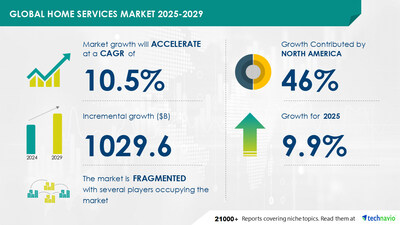
The global home services market is poised for significant growth, with projections indicating an increase of USD 1.03 trillion from 2025 to 2029. This forecasted expansion is attributed to increasing urbanization and the transformative impact of AI on market trends, according to a recent report by Technavio.

Decoding the U.S. Housing Crisis: A Study of Historic Policy Missteps and Demographic Shift

In a revealing study by USC, the roots of the current housing crisis in the United States are traced back to policy missteps and demographic changes that have been unfolding since the early 2000s. The study highlights how these factors have left millennials and people of color disproportionately affected.

Best Real Estate Crowdfunding Platforms for February 2025: Investopedia’s Top Picks

Fundrise stands out for offering investors a chance to diversify their portfolios with real estate exposure through proprietary funds. With a minimum investment as low as $10, it opens doors to beginners and seasoned investors alike.

Top Real Estate Investment Apps of 2025: A Guide for First-Time and Experienced Investors

Business Insider has reviewed a range of platforms available in 2025, focusing on key factors like fees, accessibility for accredited vs. non-accredited investors, and the types of real estate investments offered.