The Fed Just Cut Rates Again — Here’s What It Really Means for Mortgage Shoppers in 2026
The Federal Reserve has officially pushed interest rates to their lowest point since 2022, marking the third rate cut in just four months — and the ripple effects are already spreading across financial markets. With the benchmark federal funds rate now sitting between 3.50% and 3.75%, homebuyers, homeowners, and real estate professionals are eagerly wondering what comes next for mortgage rates.
The original report from CBS News, written by Senior Editor Angelica Leicht, breaks down the facts behind this major shift. We’re taking that information a step further to translate it into what matters for today’s professionals — especially those in real estate, mortgage finance or anyone navigating the housing market landscape.
Tap here to read the full CBS News original article.
The Fed Cut Rates — Will Mortgage Rates Finally Follow?
Here’s the big takeaway: mortgage rates don’t automatically move when the Fed cuts rates. They’re shaped by economic expectations, bond yields and investor sentiment — not the benchmark rate itself.
Still, this cut has weight. When the Fed signals a more dovish outlook, inflation expectations begin to cool and the 10‑year Treasury yield softens — and that yield is the true driver of long‑term mortgage rate movement.
Because the market anticipated this cut weeks ahead of time, lenders have already priced in part of the change. But overall conditions point toward gradual downward pressure in the coming months.
Quick Insight: Watch the 10‑year Treasury. If it trends down, mortgage rates are likely to follow.
How This Could Affect Borrowers
Even a slight dip in mortgage rates can reshape affordability. A reduction of just 0.25% could widen buying options, reduce monthly payments or allow more buyers to qualify.
Homeowners carrying high‑peak 2023 mortgages may finally see new refinancing opportunities in 2026. If rates continue easing, millions could benefit.
Lower borrowing costs also tend to invigorate the real estate market — adding momentum for buyers, sellers, agents, brokers and mortgage originators preparing for a busier year.
Lender Competition May Heat Up
As more consumers enter the market, lenders often sharpen pricing, discounts and incentives. Borrowers who shop around could enjoy meaningful long‑term savings.
Build your edge: Thinking about entering or advancing in real estate or mortgage lending? Cameron Academy offers flexible, online licensing and continuing education programs crafted for today’s evolving market.
The Bottom Line
The Fed’s latest rate cut marks a pivotal moment — not just for financial markets, but for buyers, sellers and professionals across the housing industry. Mortgage rates won’t drop overnight, but the direction is becoming more favorable.
Professionals who stay alert, analyze rate shifts and prepare new scenarios will be best positioned as 2026 unfolds.
And as always, staying informed is one of the strongest professional advantages — and Cameron Academy is committed to keeping you ahead of the curve.
More Articles
Getting licensed or staying ahead in your career can be a journey—but it doesn’t have to be overwhelming. Grab your favorite coffee or tea, take a moment to relax, and browse through our articles. Whether you’re just starting out or renewing your expertise, we’ve got tips, insights, and advice to keep you moving forward. Here’s to your success—one sip and one step at a time!
"The challenges faced by the PropTech industry are vast, ranging from data security and regulatory compliance to the implementation of sustainable practices. Yet, technologies such as Artificial Intelligence (AI), Virtual Reality (VR), Internet of Things (IoT), and Blockchain are pivotal in addressing these hurdles."
The commercial real estate sector is poised to emerge from recent tumultuous years, armed with insights and strategies to better position itself for the future. According to a detailed analysis by Deloitte, the 2025 outlook offers a roadmap for industry leaders to navigate the evolving landscape.
The IRS is ushering in a new era of tax reporting that will significantly affect freelancers, small business owners, and anyone who earns income through third-party payment apps like Venmo or PayPal. These changes are embodied in the form of adjusted thresholds for the Form 1099-K, a tax document used to report income from such platforms. Previously, this form was only required for those earning at least $20,000 annually through these services. However, new phased-in rules will reduce this threshold to $600 by 2026, starting with earnings over $5,000 in 2024.
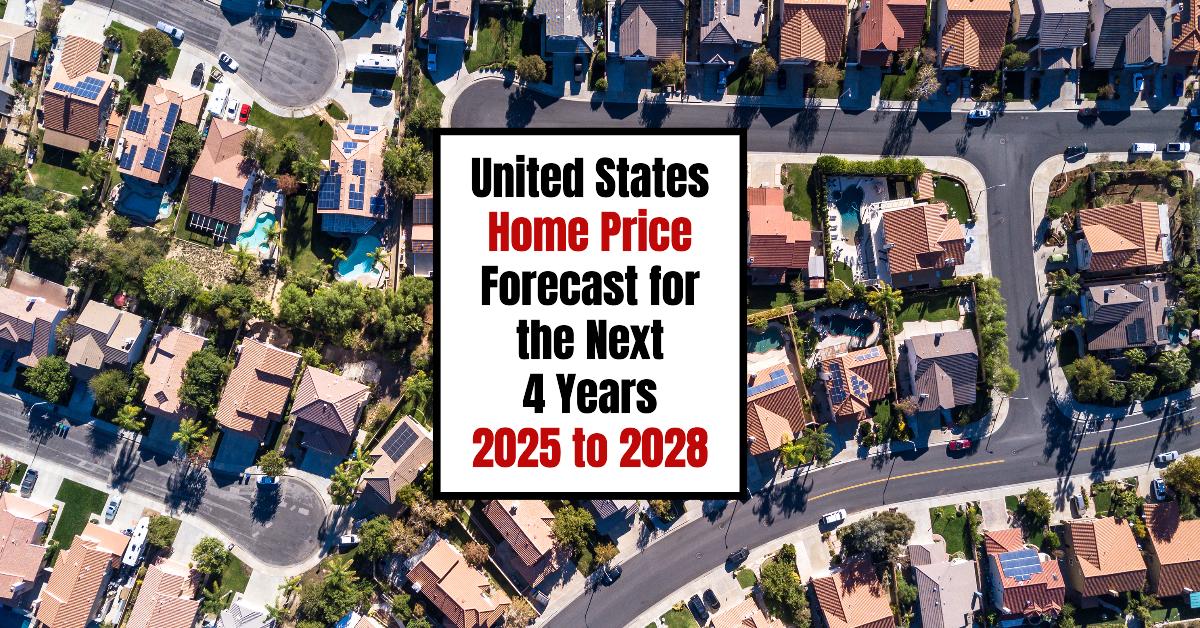
As we look to the horizon of the U.S. housing market, Fannie Mae's Home Price Expectations Survey offers a crucial glimpse into the coming years. Compiled from the insights of over 100 housing experts, this survey predicts notable changes in home prices from 2025 to 2028. The analysis, originally detailed by Norada Real Estate Investments, suggests a shift in market dynamics that could impact homeowners and investors alike.