The Fed Just Cut Rates Again — Here’s What It Really Means for Mortgage Shoppers in 2026
The Federal Reserve has officially pushed interest rates to their lowest point since 2022, marking the third rate cut in just four months — and the ripple effects are already spreading across financial markets. With the benchmark federal funds rate now sitting between 3.50% and 3.75%, homebuyers, homeowners, and real estate professionals are eagerly wondering what comes next for mortgage rates.
The original report from CBS News, written by Senior Editor Angelica Leicht, breaks down the facts behind this major shift. We’re taking that information a step further to translate it into what matters for today’s professionals — especially those in real estate, mortgage finance or anyone navigating the housing market landscape.
Tap here to read the full CBS News original article.
The Fed Cut Rates — Will Mortgage Rates Finally Follow?
Here’s the big takeaway: mortgage rates don’t automatically move when the Fed cuts rates. They’re shaped by economic expectations, bond yields and investor sentiment — not the benchmark rate itself.
Still, this cut has weight. When the Fed signals a more dovish outlook, inflation expectations begin to cool and the 10‑year Treasury yield softens — and that yield is the true driver of long‑term mortgage rate movement.
Because the market anticipated this cut weeks ahead of time, lenders have already priced in part of the change. But overall conditions point toward gradual downward pressure in the coming months.
Quick Insight: Watch the 10‑year Treasury. If it trends down, mortgage rates are likely to follow.
How This Could Affect Borrowers
Even a slight dip in mortgage rates can reshape affordability. A reduction of just 0.25% could widen buying options, reduce monthly payments or allow more buyers to qualify.
Homeowners carrying high‑peak 2023 mortgages may finally see new refinancing opportunities in 2026. If rates continue easing, millions could benefit.
Lower borrowing costs also tend to invigorate the real estate market — adding momentum for buyers, sellers, agents, brokers and mortgage originators preparing for a busier year.
Lender Competition May Heat Up
As more consumers enter the market, lenders often sharpen pricing, discounts and incentives. Borrowers who shop around could enjoy meaningful long‑term savings.
Build your edge: Thinking about entering or advancing in real estate or mortgage lending? Cameron Academy offers flexible, online licensing and continuing education programs crafted for today’s evolving market.
The Bottom Line
The Fed’s latest rate cut marks a pivotal moment — not just for financial markets, but for buyers, sellers and professionals across the housing industry. Mortgage rates won’t drop overnight, but the direction is becoming more favorable.
Professionals who stay alert, analyze rate shifts and prepare new scenarios will be best positioned as 2026 unfolds.
And as always, staying informed is one of the strongest professional advantages — and Cameron Academy is committed to keeping you ahead of the curve.
More Articles
Getting licensed or staying ahead in your career can be a journey—but it doesn’t have to be overwhelming. Grab your favorite coffee or tea, take a moment to relax, and browse through our articles. Whether you’re just starting out or renewing your expertise, we’ve got tips, insights, and advice to keep you moving forward. Here’s to your success—one sip and one step at a time!
Artificial intelligence is rapidly reshaping the mortgage industry, boosting productivity, reducing manual work, and accelerating loan closings. From automated document data extraction to AI‑generated underwriting narratives and predictive analytics, lenders are using new tools that improve accuracy and drastically speed up processing times. With chatbots, next‑gen point‑of‑sale systems, and end‑to‑end automation, preapprovals that once took days now take minutes. For mortgage and real estate professionals, mastering AI is becoming a major competitive advantage—one that defines who will thrive in the future of lending.
Florida’s property insurance rates are finally starting to drop, but many homeowners are still seeing higher monthly bills. The reason isn’t insurer price hikes—it’s soaring replacement costs driven by construction inflation, labor shortages, and rising home values. Nearly 75 percent of recent premium increases came from higher property values alone. Understanding this gap between “rates” and “premiums” helps homeowners—and real estate and insurance professionals—navigate the shifting Florida market and make smarter coverage decisions.
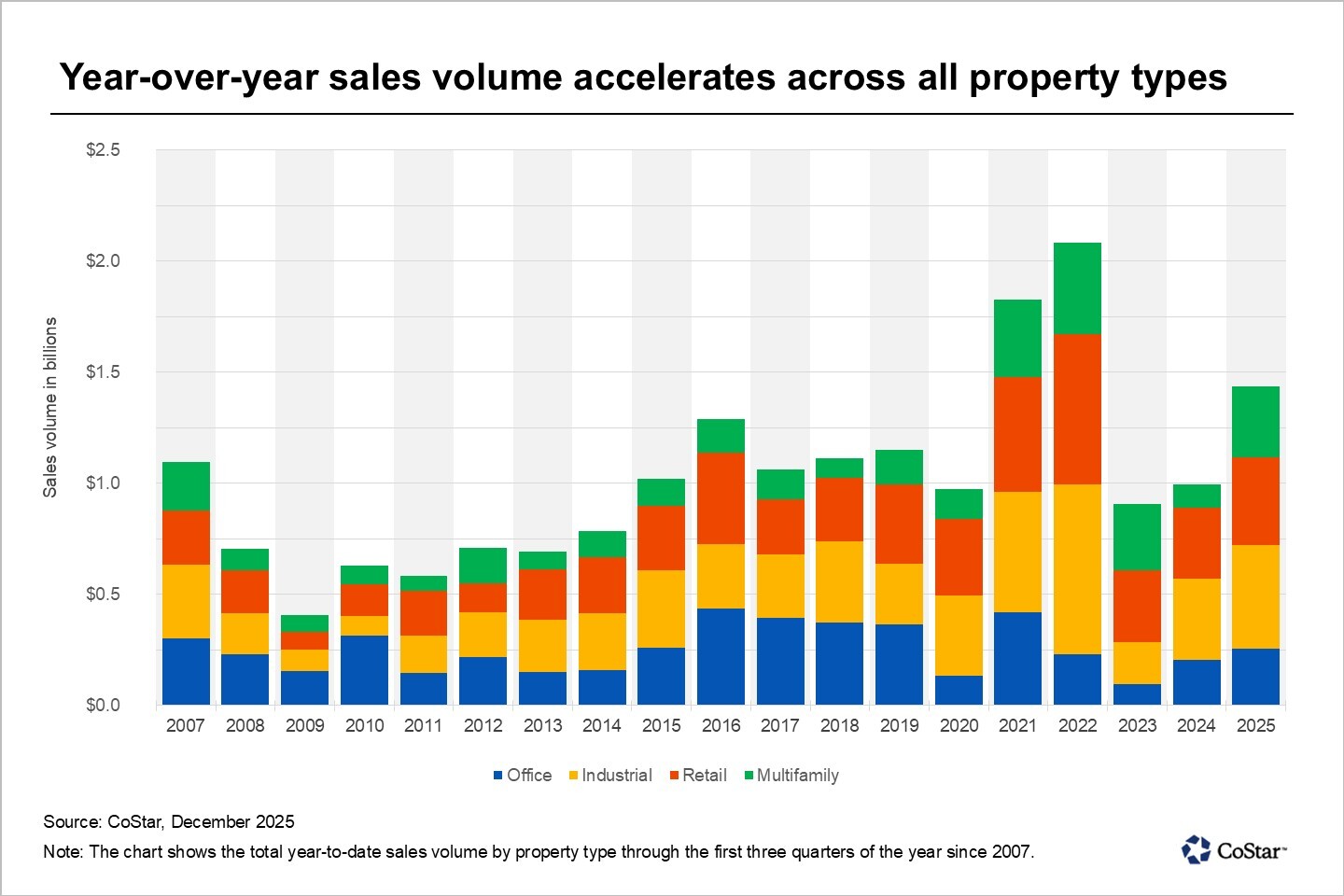
Milwaukee’s commercial real estate market is finally showing real signs of recovery, with 2025 sales volume hitting a three‑year high and investor confidence steadily returning. Driven by selective, fundamentals‑focused buying—favoring strong cash flow, quality assets, and strategic pricing—the city is moving from a period of correction into a healthier, opportunity‑rich phase. For real estate professionals nationwide, Milwaukee’s momentum reflects broader CRE market stabilization and the growing importance of disciplined underwriting and market expertise.
Industry leaders project a major surge in reverse mortgage activity heading into 2026, fueled by rising proprietary products, lender innovation, and strong investor interest. As high interest rates push originators to adopt new strategies, flexible private‑label options, senior‑focused HELOCs, and a wave of big‑capital investment are reshaping the market. With education and policy shifts poised to unlock even more demand, reverse mortgages are entering their most transformative era yet.
Experts forecast that 2026 may bring long‑awaited relief to homebuyers, with both existing and new home inventory expected to rise. NAR predicts a boost in home sales, a slight drop in mortgage rates, and a modest 4% increase in prices—conditions that could motivate more homeowners to list while builders add over a million new homes to the market. For first‑time buyers, higher loan limits and easing qualification standards may make entering the market more achievable than in recent years.
South Florida enters 2026 with renewed optimism as falling mortgage rates, improving buyer confidence, and a strong job market help stabilize a housing landscape that struggled in 2025—especially in the condo sector. While single-family homes remained resilient last year, condos faced price drops, rising fees, and hesitation tied to new safety regulations. With rates projected to fall to around 5.8% by year’s end, buying power is increasing, inventory may loosen, and activity is expected to pick up. Still, affordability challenges persist, Miami’s rental market remains intensely competitive, and the condo sector’s recovery will take time.


 The Mortgage Industry’s AI Transformation: Automation Reshapes Lending From Application to Approval Gallery