The Fix-and-Flip Comeback: Why 2026 Is Shaping Up to Be a Powerhouse Year for Investors
The housing market may have faced its share of turbulence in recent years, but one investment sector is quietly gearing up for a major resurgence: fix-and-flip real estate. As 2026 approaches, market signals are aligning in ways that could create some of the strongest opportunities investors have experienced in more than a decade.
This renewed momentum is powered by a unique blend of expanded capital availability, easing interest rates, a long-awaited increase in inventory, and a distinct cost advantage over new construction. For real estate investors—especially those developing their expertise at Cameron Academy—this could be a defining moment.
Capital Is Flowing Again—And It’s Cheaper
Not long ago, financing a fix-and-flip project meant navigating fragmented, high-cost lending networks. Today, the landscape has transformed. Institutional capital has surged into Residential Transition Loans (RTLs), offering professional underwriting, competitive rates, and scalable loan programs tailored to investors at every level.
With funding increasingly accessible—and rates expected to ease through 2026—renovation projects are becoming more attainable and more profitable. This shift is empowering new and seasoned investors to grow sustainable businesses in real estate renovation.
Interested in stepping into real estate investing? Many students at Cameron Academy begin with fix-and-flip strategies because they offer manageable entry costs, hands-on learning, and quicker returns than long-term investments.
Housing Inventory Is Loosening at Last
For years, fix-and-flip investors battled against historically low inventory as homeowners held onto ultra-low mortgage rates. But as rates are expected to drift downward, more homeowners may finally re-enter the market—unlocking long-needed supply.
Even modest increases in inventory create powerful opportunities. Investors gain leverage, encounter fewer bidding wars, and can target higher-quality renovation projects.
Renovation Outperforms New Construction on Time and Cost
While homebuilders continue wrestling with elevated material costs, permitting delays, and lengthy build times, renovators have flexibility on their side. Fix-and-flip projects generally avoid:
• Heavy material requirements
• Slow, compliance-heavy zoning or entitlement processes
• Infrastructure installation
• Multi-year timelines
Shorter project durations and lower carrying costs give investors more predictable margins. Transforming existing homes—such as converting a single home into a duplex—creates new housing options faster and more efficiently than starting from scratch.
A Strategy Built to Thrive in Any Market
Fix-and-flip projects typically run 9–12 months from purchase to resale. This agility allows investors to pivot alongside market conditions, making the strategy remarkably resilient in any economic cycle.
Demand for renovated, move-in-ready homes remains strong nationwide. Whether the market softens or accelerates, updated homes consistently attract buyers, keeping opportunities abundant for skilled investors.
2026: A Launchpad Year for Fix-and-Flip Investors
With enhanced lending, rising inventory, stabilizing renovation costs, and growing recognition of RTL financing, 2026 is shaping up to be a milestone year for fix-and-flip investment. Investors now have access to tools, insights, and financial structures that didn’t exist a decade ago—making this the perfect time to scale smarter.
For professionals training through Cameron Academy, this is the ideal moment to deepen your market literacy and refine your investment strategy. Whether you’re entering the industry or expanding your influence, the fix-and-flip arena is bursting with potential.
Getting licensed or staying ahead in your career can be a journey—but it doesn’t have to be overwhelming. Grab your favorite coffee or tea, take a moment to relax, and browse through our articles. Whether you’re just starting out or renewing your expertise, we’ve got tips, insights, and advice to keep you moving forward. Here’s to your success—one sip and one step at a time!
Artificial intelligence has shifted from futuristic idea to everyday assistant for real estate professionals. Instead of replacing agents, AI now enhances their workflows—automating repetitive tasks, improving communication, strengthening branding, and turning complex market data into clear insights. From smarter CRMs to AI-powered marketing tools, today’s agents can focus more on relationships and client service while technology handles the busywork behind the scenes.
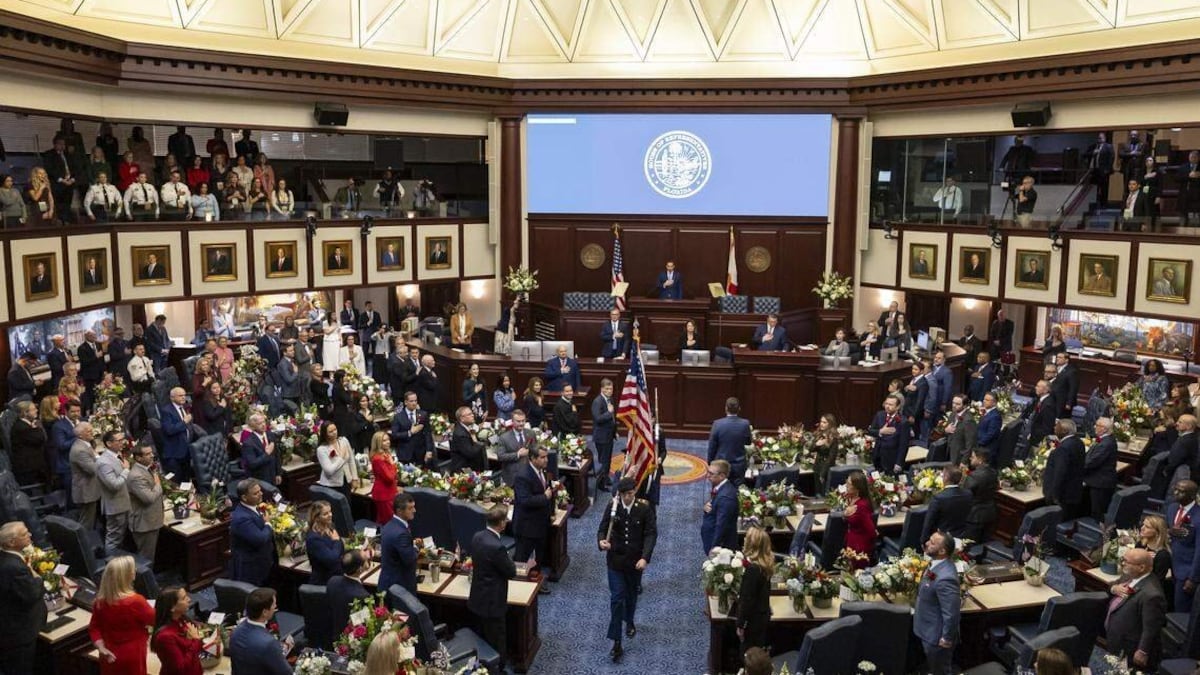
A Florida House committee is advancing a bill that would crack down on insurers shifting profits to affiliated companies — a practice highlighted by recent investigative reporting. With premiums soaring and options shrinking, the proposed oversight could reshape the state’s insurance landscape and create ripple effects across the real estate market, impacting buyers, agents, and investors statewide.
Proptech podcast *Tangent* marks its 100th episode with an inside look at Airbnb’s evolving role in multifamily housing. Featuring Airbnb Real Estate Marketing Leader Eliza Lochner, the episode explores the rapid growth of Airbnb‑friendly apartments, the rise of flexible‑living models, and why renters and property owners are increasingly embracing hosting as a way to balance affordability, transparency, and control. For today’s real estate professionals—especially in fast‑changing markets like Florida—the conversation highlights major shifts in tenant expectations, property management strategies, and the intersection of technology, hospitality, and residential development.
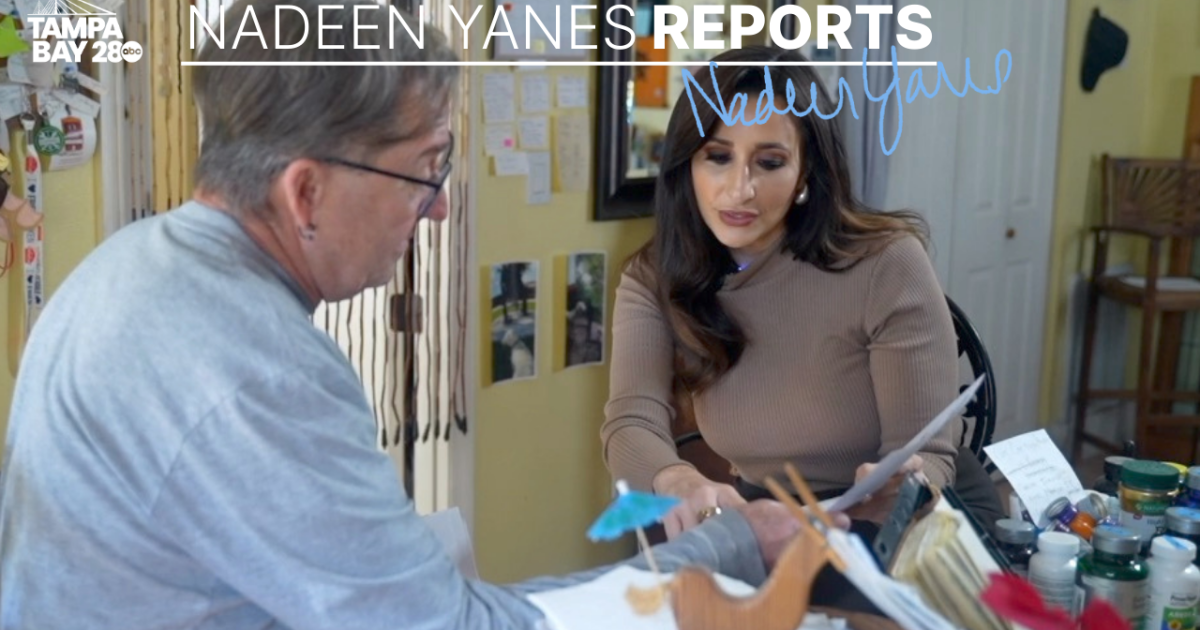
A Tampa Heights homeowner has joined the growing wave of Floridians dropping property insurance altogether after his 2026 renewal skyrocketed to $14,523. With up to 20% of residents now going bare, experts warn that soaring rates, shrinking coverage options, and post‑storm losses are pushing many to take risky measures — even as alternatives like liability‑only plans, dropped wind coverage, or home‑hardening upgrades may offer relief.
A major ERAS overhaul is coming in 2027, replacing the familiar “publications” field with a more rigorous category called “scholarly works.” Only peer‑reviewed submissions—such as manuscripts, abstracts, book chapters, and presentations—will qualify, shifting greater emphasis toward high‑quality research. While the change aims to give residency directors clearer insight into applicants’ academic contributions, many students worry that advocacy and policy work may lose visibility. As programs lean more heavily on research output in a post–Step 1 pass/fail era, future applicants will need to showcase not just what they’ve produced, but the depth and meaning behind it.
Mortgage rates have ticked back up to 6.25% after a brief dip, signaling a return to stability in the housing market. With rising inventory, moderating prices, and forecasts calling for steady rates through 2026, real estate and finance professionals can expect a more predictable environment ahead. This shift opens the door to smoother transactions, improved buyer confidence, and stronger opportunities for career growth across mortgage, real estate, insurance, and related fields.