The Fix-and-Flip Comeback: Why 2026 Is Shaping Up to Be a Powerhouse Year for Investors
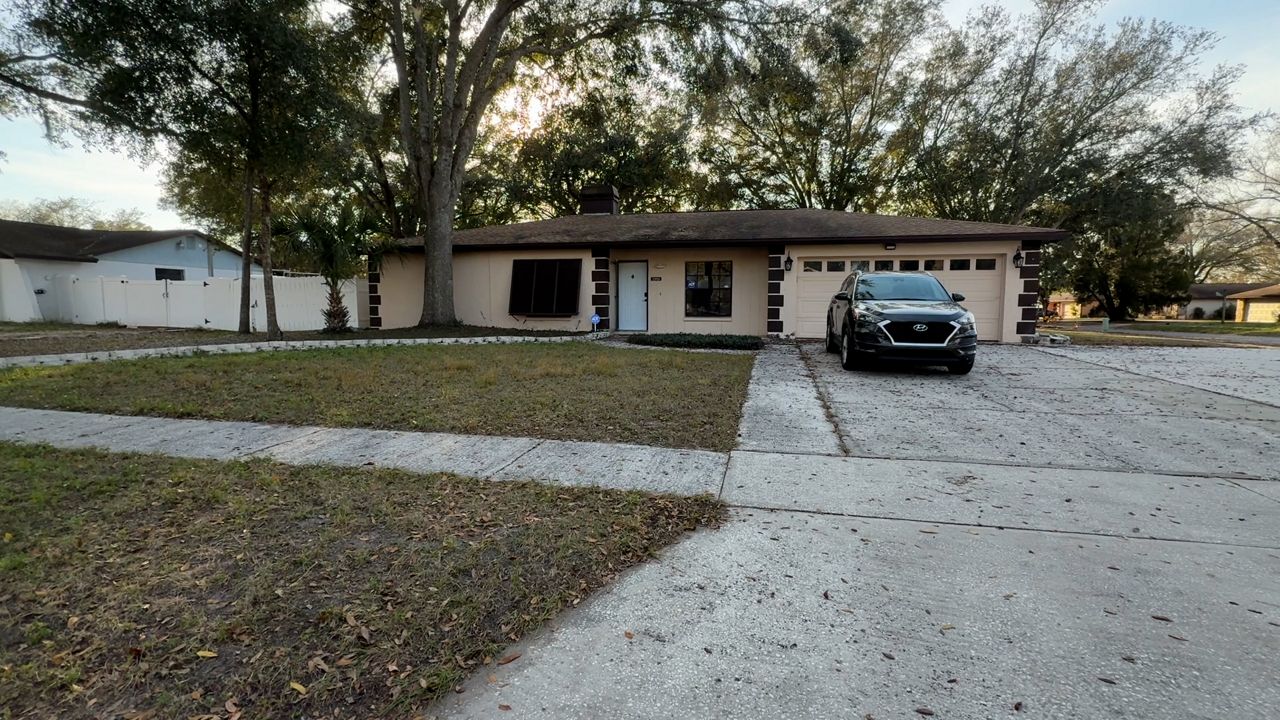
The housing market may have faced its share of turbulence in recent years, but one investment sector is quietly gearing up for a major resurgence: fix-and-flip real estate. As 2026 approaches, market signals are aligning in ways that could create some of the strongest opportunities investors have experienced in more than a decade.
This renewed momentum is powered by a unique blend of expanded capital availability, easing interest rates, a long-awaited increase in inventory, and a distinct cost advantage over new construction. For real estate investors—especially those developing their expertise at Cameron Academy—this could be a defining moment.
Capital Is Flowing Again—And It’s Cheaper
Not long ago, financing a fix-and-flip project meant navigating fragmented, high-cost lending networks. Today, the landscape has transformed. Institutional capital has surged into Residential Transition Loans (RTLs), offering professional underwriting, competitive rates, and scalable loan programs tailored to investors at every level.
With funding increasingly accessible—and rates expected to ease through 2026—renovation projects are becoming more attainable and more profitable. This shift is empowering new and seasoned investors to grow sustainable businesses in real estate renovation.
Interested in stepping into real estate investing? Many students at Cameron Academy begin with fix-and-flip strategies because they offer manageable entry costs, hands-on learning, and quicker returns than long-term investments.
Housing Inventory Is Loosening at Last
For years, fix-and-flip investors battled against historically low inventory as homeowners held onto ultra-low mortgage rates. But as rates are expected to drift downward, more homeowners may finally re-enter the market—unlocking long-needed supply.
Even modest increases in inventory create powerful opportunities. Investors gain leverage, encounter fewer bidding wars, and can target higher-quality renovation projects.
Renovation Outperforms New Construction on Time and Cost
While homebuilders continue wrestling with elevated material costs, permitting delays, and lengthy build times, renovators have flexibility on their side. Fix-and-flip projects generally avoid:
• Heavy material requirements
• Slow, compliance-heavy zoning or entitlement processes
• Infrastructure installation
• Multi-year timelines
Shorter project durations and lower carrying costs give investors more predictable margins. Transforming existing homes—such as converting a single home into a duplex—creates new housing options faster and more efficiently than starting from scratch.
A Strategy Built to Thrive in Any Market
Fix-and-flip projects typically run 9–12 months from purchase to resale. This agility allows investors to pivot alongside market conditions, making the strategy remarkably resilient in any economic cycle.
Demand for renovated, move-in-ready homes remains strong nationwide. Whether the market softens or accelerates, updated homes consistently attract buyers, keeping opportunities abundant for skilled investors.
2026: A Launchpad Year for Fix-and-Flip Investors
With enhanced lending, rising inventory, stabilizing renovation costs, and growing recognition of RTL financing, 2026 is shaping up to be a milestone year for fix-and-flip investment. Investors now have access to tools, insights, and financial structures that didn’t exist a decade ago—making this the perfect time to scale smarter.
For professionals training through Cameron Academy, this is the ideal moment to deepen your market literacy and refine your investment strategy. Whether you’re entering the industry or expanding your influence, the fix-and-flip arena is bursting with potential.
Getting licensed or staying ahead in your career can be a journey—but it doesn’t have to be overwhelming. Grab your favorite coffee or tea, take a moment to relax, and browse through our articles. Whether you’re just starting out or renewing your expertise, we’ve got tips, insights, and advice to keep you moving forward. Here’s to your success—one sip and one step at a time!
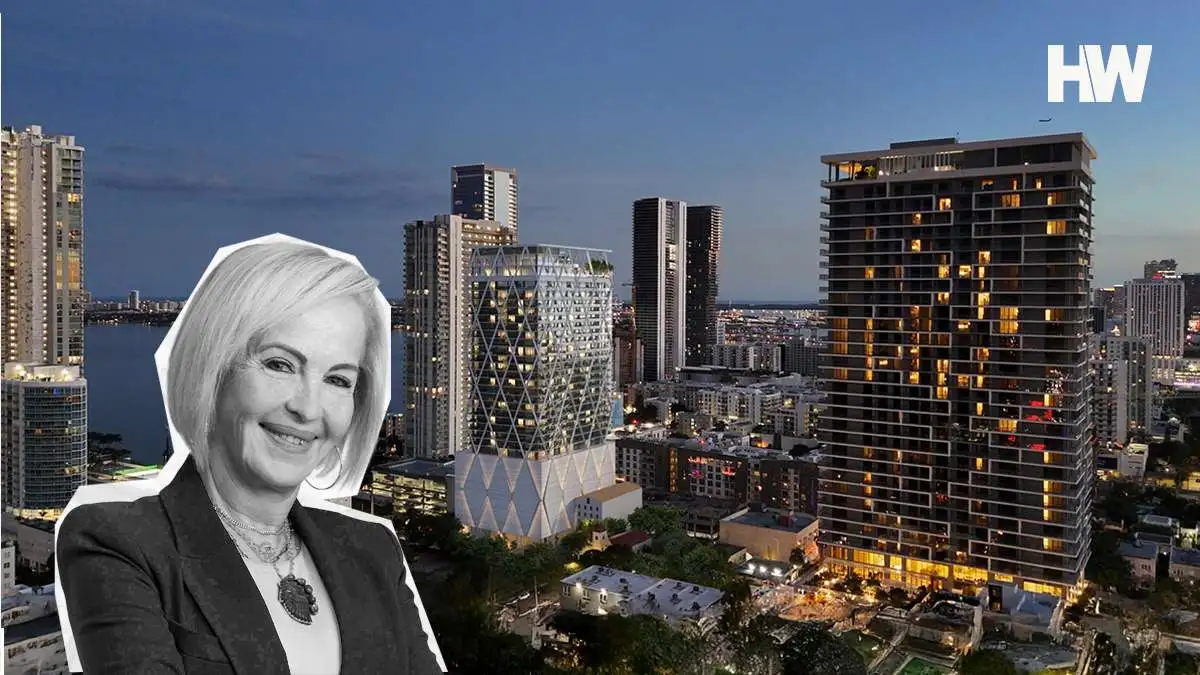
Miami’s luxury condo market has many success stories, but few rise to the level of Maile Aguila. After closing more than $1 billion in sales in 2024, Aguila has become one of the most influential forces in Brickell and downtown Miami. From her beginnings in accounting to becoming the go‑to expert for high‑end developments, her journey offers a blueprint for new agents: specialize, become hyper‑local, master the soft sell, and make yourself indispensable. Her story shows that passion, knowledge, and relentless learning are the keys to breaking into Miami’s booming luxury market.
Former NFL defensive tackle Kendal Vickers has traded stadium lights for property listings, launching a fast-rising real estate career after earning licenses in both Florida and Tennessee. Drawing on his construction background and the discipline he built in the league, Vickers quickly closed early deals and now leads sales for two major residential developments. Motivated by helping families find homes, he’s proving that with grit, education, and the right mindset, a powerful second act is possible—on or off the field.
A shifting housing market and evolving regulations are making title insurance more critical than ever in 2026. Cortes and Hay, a New Jersey title agency with over 50 years of experience, breaks down the essential factors every buyer and investor should understand—from the importance of thorough title searches to the growing need for investor protection, ALTA best practices, and expert guidance on 1031 exchanges. This updated snapshot helps consumers and future real estate professionals navigate today’s complex closing landscape with confidence.
Nearly half of today’s homebuyers expect to use AI in their buying journey, and Florida is becoming a leading testing ground. New platforms like Homa are automating most of the homebuying process, delivering major savings to buyers while still blending in human expertise. As both tech-driven tools and traditional agents adapt, the future of Florida real estate will rely on professionals who can combine smart technology with real-world experience.
Florida’s once‑red‑hot investment market is cooling fast, with cities like Orlando, Fort Lauderdale, and Jacksonville seeing steep drops in investor purchases. Rising insurance costs, swelling inventory, and squeezed profit margins are pushing investors to pause—or look elsewhere. But West Palm Beach stands apart, surging with luxury demand as it cements its status as “Wall Street South.”
With mortgage rates nearly a full point lower than last year and inventory slowly rising, 2026 is opening the door for more buyers to re-enter the market. Competition has cooled, bidding wars have eased, and sellers are more flexible than they’ve been in years. While winter weather temporarily slowed sales, spring is expected to bring renewed momentum. For buyers with steady finances and long‑term plans, this year may offer one of the most balanced markets since the frenzy of 2021–2022.