The Four Hidden Ways Financial Advice Creates Real Value

Most people think financial advice is all about beating the market. But according to new findings from Vanguard, the real value runs much deeper—touching peace of mind, personalized planning, and the freedom to spend time on what truly matters. It’s a bold reminder that great advisors do far more than adjust portfolios: they help people feel grounded, confident, and emotionally secure in their financial lives.

Financial wellness and planning illustration

This research—published December 11, 2025—highlights the gap between what investors expect and what advisors think they’re delivering. As Vanguard strategist Stephen M. Weber explains, investors use a variety of personal metrics to judge financial success. Advisors who speak with clarity, simplicity, and personalization build far higher trust, satisfaction, and long-term loyalty.

The Four Pillars of Advice Value

Vanguard’s study identifies four major ways advisors deliver meaningful value:

  • Financial planning value: Helping clients map out goals like retirement, debt reduction, and family priorities.
  • Portfolio value: Constructing tax‑aware, diversified, risk‑appropriate portfolios tailored to each individual.
  • Emotional value: Providing reassurance, confidence, and stability—especially when markets feel chaotic.
  • Time value: Saving clients hours upon hours by handling complex tasks and research.

What Investors Really Want

From a July 2025 survey of more than 13,000 Vanguard investors, the top reason people seek financial advice is simple yet powerful: peace of mind.

This shows a major shift. Today’s investors want a trusted expert who can anticipate changes, watch over their financial life, and offer stability when unexpected challenges arise. As behavioral economist Paulo Costa notes, true value often lives in the process—not just the performance.

Key Lessons for Both Advisors and Investors

1. Every interaction builds peace of mind

Clients don’t just want numbers—they want reassurance. Even behind‑the‑scenes tasks like tax optimization or portfolio reviews create immense value when advisors communicate those efforts clearly and consistently.

2. Personalization is everything

Every client defines success differently. Some aim for a precise retirement age; others crave lifestyle flexibility, predictable income, or a strong legacy. The strongest advisory relationships start with understanding what their version of success truly means.

As Vanguard’s Min Kim explains, personalization isn’t just planning—it’s communication.

3. Use clear, relevant metrics

Clients appreciate intuitive measurements—like income projections, tax savings, or long‑term risk analysis. Investors prefer progress to be shown from several angles, not a single rigid metric.

Emotional and Time Value: The Overlooked Advantages

According to the research, 86% of advised clients feel more at ease, and 76% stress less about their finances. That’s more than 100 hours a year reclaimed from worry—time better spent on family, hobbies, business, or personal growth.

The True Value of Financial Advice

Financial advice goes far beyond market performance—it’s about emotional security, a sense of control, and a professional partnership that helps people live intentionally. Investors gain clarity. Advisors build trust. And together, they create long‑lasting financial confidence rooted in communication that is simple, personal, and meaningful.

To explore the full Vanguard research behind this story, visit the original article at:
Vanguard Corporate – Four Ways Financial Advice Delivers True Value

At Cameron Academy, we train thousands of real estate, insurance, and financial professionals every year—many of whom use these very principles to build trust with their clients. If you’re expanding your license, sharpening your financial literacy, or leveling up your advisory skillset, understanding the psychology behind financial decision‑making can transform the way you serve your clients.


More Articles

Getting licensed or staying ahead in your career can be a journey—but it doesn’t have to be overwhelming. Grab your favorite coffee or tea, take a moment to relax, and browse through our articles. Whether you’re just starting out or renewing your expertise, we’ve got tips, insights, and advice to keep you moving forward. Here’s to your success—one sip and one step at a time!

How AI Is Transforming Financial Advisors’ Daily Routines in 2026

In 2026, financial advisors are no longer just experimenting with AI — they’re relying on it. Once confined to back-office duties, AI now supports meeting prep, portfolio analysis, and even early-stage financial planning. Advisors say the tech is strengthening client relationships by freeing them from administrative overload, though entry-level roles like paraplanners may feel the squeeze as automation accelerates.

AI Is Outpacing the Mortgage Industry’s Cyber Defenses as Attacks Surge

Cybercriminals are weaponizing AI to launch highly convincing email scams and system breaches across the mortgage industry, overwhelming lenders and servicers whose cybersecurity measures can’t keep up. With major companies already hit and regulation lagging behind, experts warn the sector—now considered critical infrastructure—must rapidly upgrade protections, collaborate on threat intelligence, and improve AI governance before the risks escalate further.

Hidden Housing Costs May Become 2026’s Most Dangerous Budget Buster

Escrow payments are quietly surging across the country as property taxes and insurance premiums spike—pushing many homeowners toward delinquencies and even foreclosure. New data from Cotality shows the sharpest increases hitting the South and Midwest, with Florida among the hardest‑hit states. Even with fixed mortgage rates, rising escrow requirements are driving monthly payments higher and threatening affordability heading into 2026.

Milwaukee’s Commercial Real Estate Market Is Turning the Corner

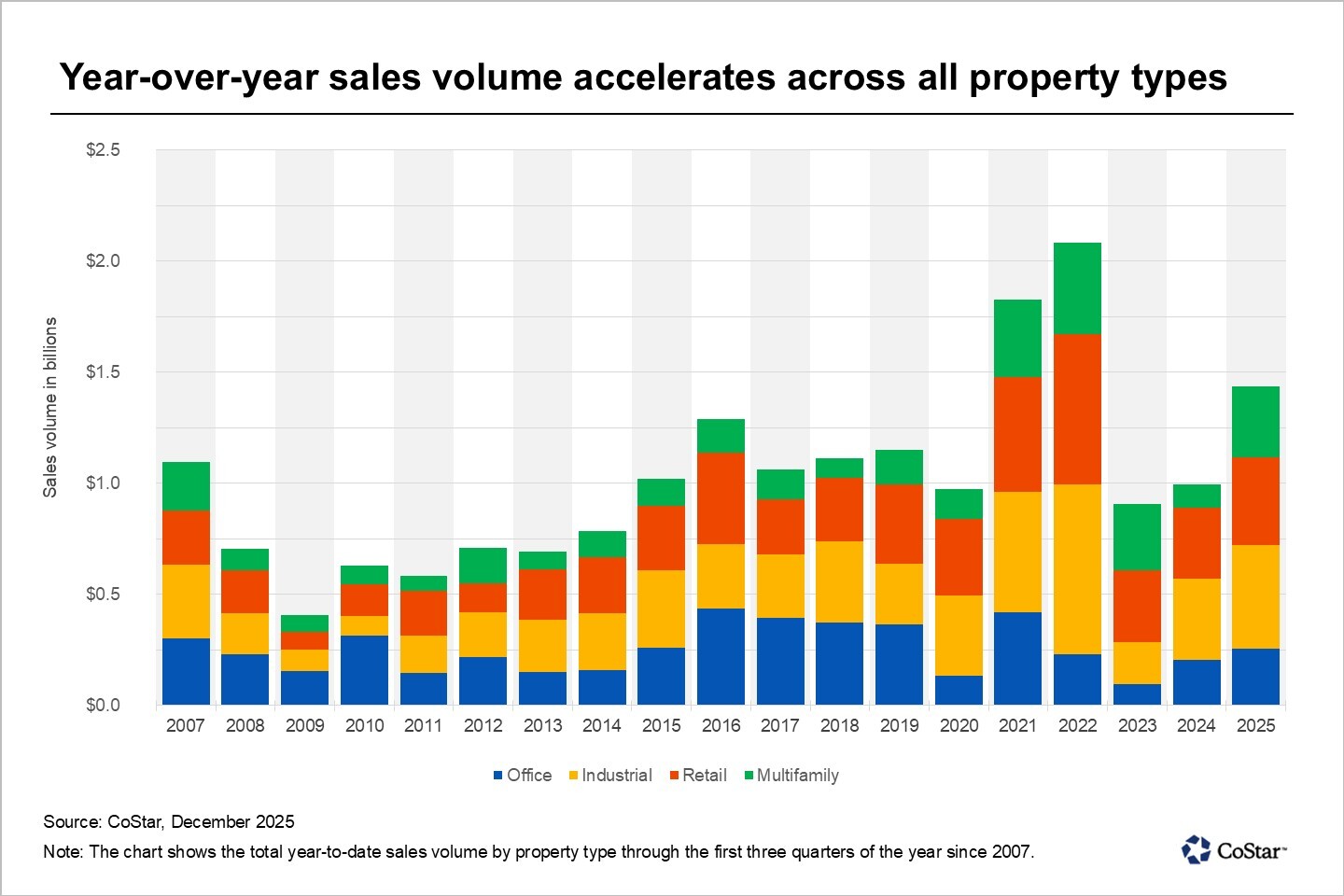
Milwaukee entered 2025 with renewed momentum, posting its strongest commercial real estate sales volume in three years. After a period of uncertainty and high capital costs, investors are returning with a sharper focus on quality assets, realistic pricing, and reliable cash flow. Activity is increasing across industrial, office, multifamily, and retail sectors, signaling a broad-based recovery fueled by stabilizing interest rates and improved market confidence.

Title Insurance Leaders Lean Into Tech, Efficiency, and Resilience for 2026

As 2026 approaches, the title insurance industry is navigating a complex mix of market recovery, rising fraud threats, and sweeping regulatory changes. Industry leaders say the path forward centers on smarter technology, leaner operations, and stronger support for title agents. With AI-driven workflows, enhanced fraud prevention, and new compliance demands—including FinCEN’s expanded Geographic Targeting Orders—companies like Stewart and First American are reshaping how title work gets done. For real estate and mortgage professionals, the year ahead promises more automation, heightened standards, and major opportunities for those who stay ahead of the curve.

Technology and the Future of Real Estate: Innovation Reshaping 2025

The real estate industry is undergoing a major transformation in 2025 as advancements in AI, proptech, blockchain, and data intelligence redefine how properties are marketed, valued, financed, and experienced. From instant digital valuations and immersive virtual tours to tokenized investments and predictive analytics, technology is reshaping every stage of the real estate lifecycle. Professionals who embrace these innovations—while maintaining the human expertise clients still rely on—will lead the next era of the industry.