“`html

The commercial real estate sector, often seen as a barometer for the global economy, is undergoing significant transformation as we look towards 2025. In a detailed analysis by Practical Law The Journal, industry experts weigh in on the trends and predictions shaping the future of this vital industry.


As noted in the original article by Reuters, the past few years have introduced a whirlwind of changes, from the aftershocks of the global COVID-19 pandemic to the accelerated integration of technology and the ever-pressing demands for sustainability. These factors have reshaped the landscape of commercial real estate, prompting stakeholders to rethink traditional models and strategies.


Current Market Dynamics

In 2024, the market exhibited a mixture of stability and challenges. Historically high interest rates showed a downward trend, fostering some optimism, yet activity levels remained below pre-pandemic standards. The office and hotel sectors in central business districts struggled, with transactions often occurring at significant discounts. Conversely, the multi-family and industrial sectors demonstrated robust performance.


Environmental and Social Governance (ESG)

There was a heightened emphasis on environmental, social, and governance (ESG) factors, although future emphasis may vary depending on federal policies. Legal professionals are adapting by incorporating climate risks into contracts and advising on insurance related to natural disasters. Despite federal uncertainties, ESG considerations continue to shape market dynamics, with state-level policies influencing many aspects of real estate.


The Future of Workspaces

One of the most pronounced trends in commercial real estate in 2024 was the continually evolving nature of workspaces. The hybrid work model, which gained traction during the pandemic, continues to influence the demand for office space. Companies are increasingly seeking flexible office solutions that accommodate both in-person and remote work, leading to a surge in adaptable office layouts.


Retail and Industrial Real Estate

The retail sector is witnessing a resurgence, albeit in a transformed avatar. E-commerce has undeniably altered consumer habits, yet physical retail spaces are experiencing a revival as they reinvent themselves to provide experiential shopping. Meanwhile, industrial real estate continues to thrive, buoyed by the sustained growth of e-commerce and the accompanying demand for logistics and warehousing facilities.


Technological Advancements

Looking ahead to the remainder of 2025, several predictions emerge as key considerations for commercial real estate stakeholders. The integration of technology will continue to play a transformative role, with advancements in AI and smart building technologies enhancing operational efficiencies and tenant experiences.


Conclusion

The commercial real estate market in 2024 was characterized by adaptation to new economic realities and shifting consumer preferences. Looking ahead to the remainder of 2025, stakeholders can expect continued evolution driven by technological advancements, sustainability imperatives, and changing legal landscapes.


For more insights and detailed analysis, you can view the full article on Reuters.

“`

More Articles

Getting licensed or staying ahead in your career can be a journey—but it doesn’t have to be overwhelming. Grab your favorite coffee or tea, take a moment to relax, and browse through our articles. Whether you’re just starting out or renewing your expertise, we’ve got tips, insights, and advice to keep you moving forward. Here’s to your success—one sip and one step at a time!

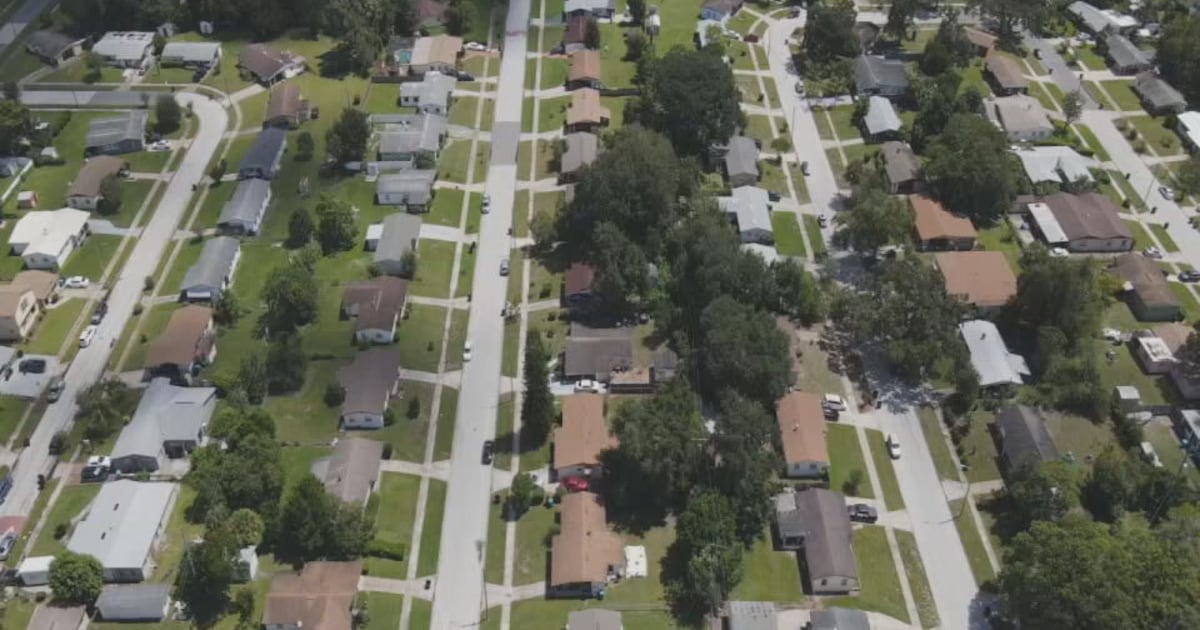
Florida Homeowners Finally Get a Break as Insurance Rates Begin to Drop

After years of soaring premiums and insurer instability, Florida’s property insurance market is finally turning a corner. Major carriers have filed 83 requests for rate decreases heading into 2026, with companies like Florida Peninsula and Patriot Select proposing cuts of 8.4% and 11.3%. Some homeowners may see relief as early as next month, signaling a long‑awaited shift toward market stability.

The Fix-and-Flip Comeback: Why 2026 Is Poised to Be a Breakout Year for Investors

Fix-and-flip investing is gearing up for one of its strongest years in a decade as 2026 approaches. With cheaper capital, more accessible funding, easing interest rates, and long-awaited increases in housing inventory, investors are finding the perfect environment to launch or scale renovation-based real estate businesses. Renovation continues to outpace new construction in cost and speed, and demand for move-in-ready homes remains high, making 2026 a powerful opportunity window for both new and experienced investors.

Falling Rents Today, Rising Pressures Tomorrow: A 2026 Rental Squeeze Is on the Horizon

After a short-lived period of relief in 2025, the U.S. rental market may be headed for a tighter, more expensive 2026. With construction starts dropping nearly 11% and completions plunging 42%, the surge of new apartments that helped lower rents is rapidly drying up. Rising costs, shrinking inventory, and a slowdown in new development point to a potential rental crunch that could leave renters facing heavier competition and higher prices across major markets next year.

The Biggest Opportunity in Real Estate Since 2008

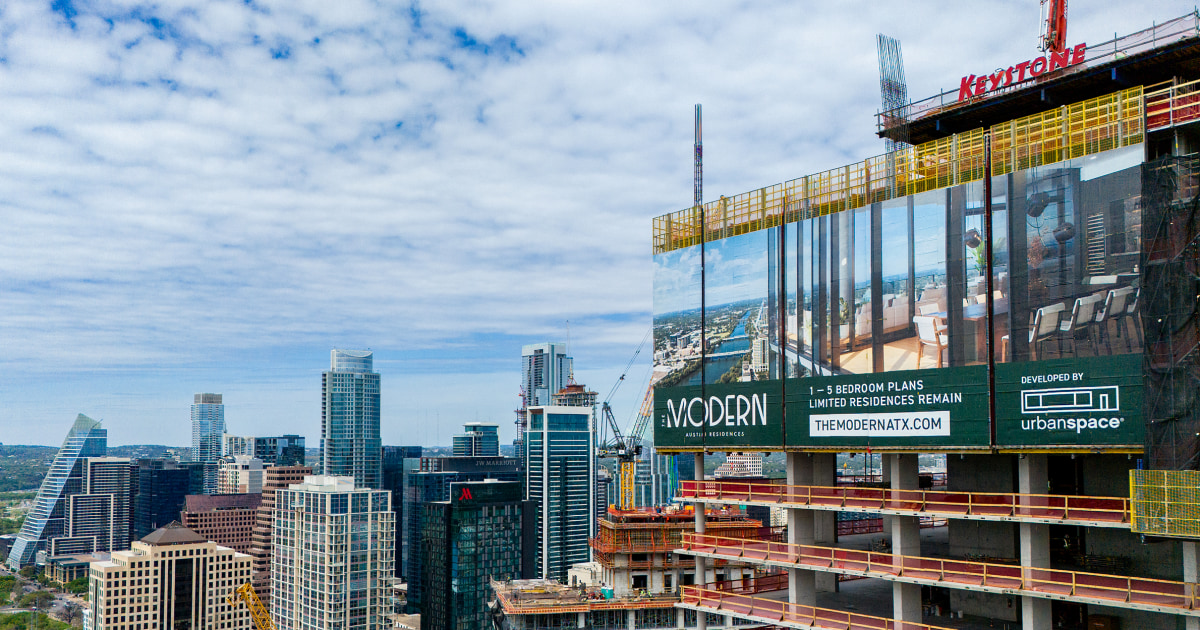
The commercial real estate market is entering a rare reset that experts say mirrors the post‑2008 boom, creating a potential window for disciplined investors. With trillions in commercial debt coming due and property values dropping up to 40%, firms like AARE are positioning themselves to acquire assets below replacement cost—an advantage that could set the stage for significant long‑term growth.

Six for 2026: The Commercial Real Estate Shifts Already Reshaping the U.S.

Commercial real estate is entering a reinvention phase, with AI‑driven productivity, modernized office demand, experience‑focused retail, expanding industrial logistics, creative housing solutions, and sustainability‑centered design all accelerating nationwide. These six forces are shaping how investors, brokers, and future licensees will operate in a rapidly evolving U.S. market.

2026 Becomes the Turning Point: Innovation, Stability, and Upward Mobility Return

After years of economic uncertainty and cautious decision‑making, 2026 is shaping up to be the year professionals finally catch a break. AI is moving from buzzword to essential tool, capital markets are beginning to thaw, and hiring is picking up across real estate, mortgage, insurance, finance, and healthcare. With opportunity returning, many professionals are using this moment to upskill—pursuing new licenses, certifications, and cross‑industry expertise.