The Future of Commercial Real Estate: What 2030 Could Really Look Like

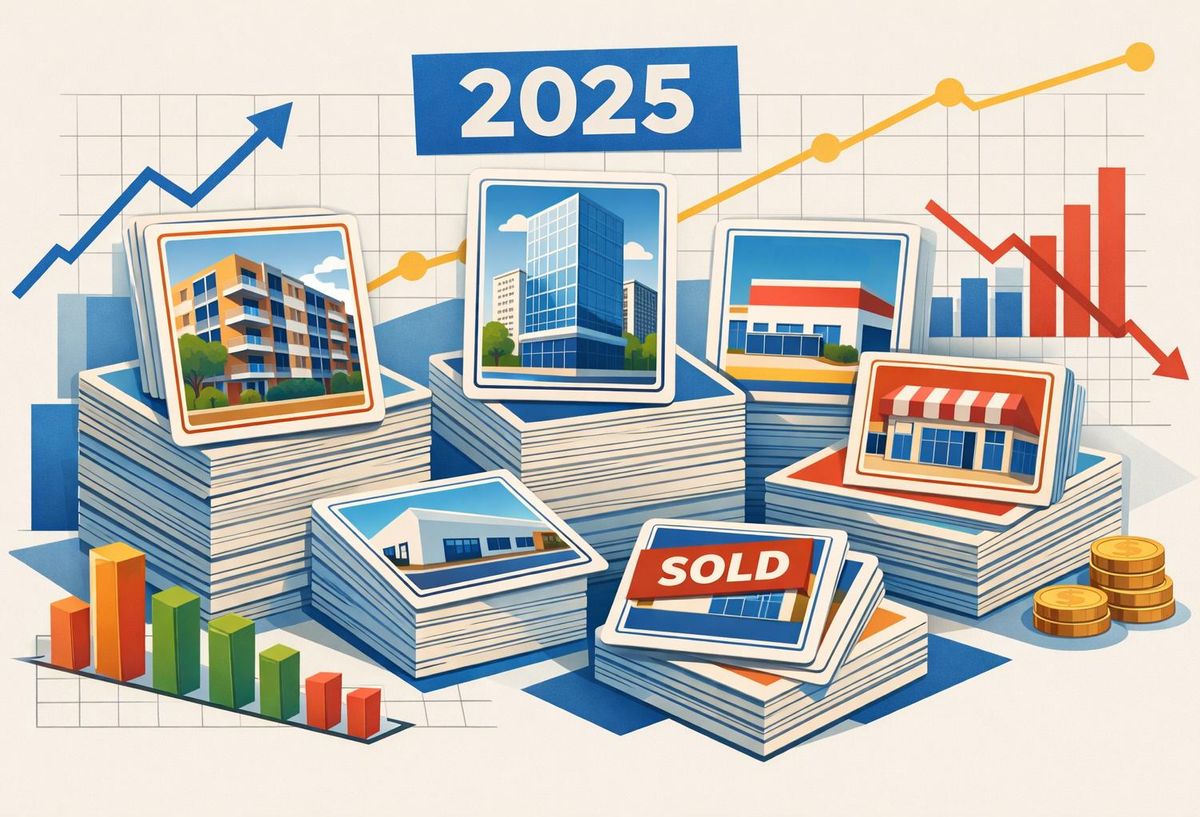
Commercial real estate is entering one of its most transformative decades yet. Markets are shifting, work culture is evolving, and global economic pressures are reshaping how investors, brokers, property managers, and developers approach the built world. Recent studies suggest the commercial market could reach $133.5 trillion by 2028, according to Statista — but growth doesn’t tell the full story.
Pulling from projections shared in an excellent breakdown by Netguru, we’re stepping into a future that demands resilience, adaptability, and innovation from every corner of the CRE landscape.
If you’re a real estate professional looking to stay ahead, understanding the direction of the commercial market is essential. For anyone expanding their credentials or entering commercial practice, institutions like Cameron Academy continue to support both new and seasoned agents with career-focused education rooted in real-world trends.
Rising Interest Rates Are Reshaping Market Decisions
The CRE market experienced a staggering $590 billion drop in property values in 2023, followed by an anticipated $480 billion decline in 2024. Reports from organizations like EY and CBRE point to high interest rates, tougher credit standards, and tighter regulations as the drivers.
While a 2008-style crash is unlikely, risk management, cost optimization, and data-backed investment strategy will dominate decisions leading into 2030.
Proptech Will Become a CRE Game-Changer
Proptech’s rapid expansion is one of the brightest developments in the future of commercial real estate. From IoT devices and building automation to AI‑driven tenant tools, technology is streamlining operations at every level.
Emerging GenAI platforms are already assisting brokers with automated descriptions, lead filtering, and property analysis. By 2030, expect advancements such as:
- AI-generated property simulations for immersive touring
- Automated maintenance routing and smart diagnostic systems
- Predictive analytics for tenant retention and revenue planning
Hybrid Work Will Keep Office Demand Lower
Hybrid work isn’t disappearing anytime soon. Office attendance remains near 30% of pre-pandemic patterns, and McKinsey projects office demand in major metro areas may sit 13%–38% lower by 2030.
But demand for high-amenity, modern office spaces continues to grow. Meanwhile, older Class B and C buildings are increasingly being targeted for residential or mixed-use conversions — a trend that could reshape entire downtowns.
AI Will Accelerate Data Center Growth
Artificial intelligence is booming, and with it comes unprecedented demand for powerful, resilient data centers. JLL reports that Q1 2023 alone saw over $32 billion in AI and machine learning investments — all requiring physical infrastructure.
For developers and investors, data centers may be among the decade’s most profitable CRE subsectors.
Sustainability and ESG Will Become Non-Negotiable
Energy efficiency, environmental responsibility, and sustainable operations are becoming central to CRE success. Rising utility costs and stricter regulations mean owners can no longer delay ESG upgrades.
Yet Deloitte reports that 60% of real estate companies still lack the systems and data needed to meet compliance. This is widening the gap between premium, eco-efficient assets and aging properties at risk of obsolescence.
The CRE Market of 2030: What Professionals Must Prepare For
The next decade rewards those who adapt early. The biggest opportunities will emerge from:
- Repurposing underutilized office buildings
- Adopting proptech for major efficiency gains
- Expanding into data center and mixed‑use developments
- Investing in sustainability-driven upgrades
These moves require foresight, education, and industry literacy — and the professionals who thrive will be those prepared to evolve with the market.
Building a long-term career in real estate means staying ahead of market shifts. Cameron Academy continues to equip agents, investors, and commercial specialists with licensing, CE, and advanced coursework designed for the future of the CRE industry.
For a deeper exploration of these insights, visit the original article by
Netguru.