The Future of Commercial Real Estate: What 2030 Could Really Look Like

Commercial real estate 2030 header image

Commercial real estate is entering one of its most transformative decades yet. Markets are shifting, work culture is evolving, and global economic pressures are reshaping how investors, brokers, property managers, and developers approach the built world. Recent studies suggest the commercial market could reach $133.5 trillion by 2028, according to Statista — but growth doesn’t tell the full story.

Pulling from projections shared in an excellent breakdown by Netguru, we’re stepping into a future that demands resilience, adaptability, and innovation from every corner of the CRE landscape.

If you’re a real estate professional looking to stay ahead, understanding the direction of the commercial market is essential. For anyone expanding their credentials or entering commercial practice, institutions like Cameron Academy continue to support both new and seasoned agents with career-focused education rooted in real-world trends.

Rising Interest Rates Are Reshaping Market Decisions

The CRE market experienced a staggering $590 billion drop in property values in 2023, followed by an anticipated $480 billion decline in 2024. Reports from organizations like EY and CBRE point to high interest rates, tougher credit standards, and tighter regulations as the drivers.

While a 2008-style crash is unlikely, risk management, cost optimization, and data-backed investment strategy will dominate decisions leading into 2030.

Proptech Will Become a CRE Game-Changer

Proptech’s rapid expansion is one of the brightest developments in the future of commercial real estate. From IoT devices and building automation to AI‑driven tenant tools, technology is streamlining operations at every level.

Emerging GenAI platforms are already assisting brokers with automated descriptions, lead filtering, and property analysis. By 2030, expect advancements such as:

  • AI-generated property simulations for immersive touring
  • Automated maintenance routing and smart diagnostic systems
  • Predictive analytics for tenant retention and revenue planning

Hybrid Work Will Keep Office Demand Lower

Hybrid work isn’t disappearing anytime soon. Office attendance remains near 30% of pre-pandemic patterns, and McKinsey projects office demand in major metro areas may sit 13%–38% lower by 2030.

But demand for high-amenity, modern office spaces continues to grow. Meanwhile, older Class B and C buildings are increasingly being targeted for residential or mixed-use conversions — a trend that could reshape entire downtowns.

AI Will Accelerate Data Center Growth

Artificial intelligence is booming, and with it comes unprecedented demand for powerful, resilient data centers. JLL reports that Q1 2023 alone saw over $32 billion in AI and machine learning investments — all requiring physical infrastructure.

For developers and investors, data centers may be among the decade’s most profitable CRE subsectors.

Sustainability and ESG Will Become Non-Negotiable

Energy efficiency, environmental responsibility, and sustainable operations are becoming central to CRE success. Rising utility costs and stricter regulations mean owners can no longer delay ESG upgrades.

Yet Deloitte reports that 60% of real estate companies still lack the systems and data needed to meet compliance. This is widening the gap between premium, eco-efficient assets and aging properties at risk of obsolescence.

The CRE Market of 2030: What Professionals Must Prepare For

The next decade rewards those who adapt early. The biggest opportunities will emerge from:

  • Repurposing underutilized office buildings
  • Adopting proptech for major efficiency gains
  • Expanding into data center and mixed‑use developments
  • Investing in sustainability-driven upgrades

These moves require foresight, education, and industry literacy — and the professionals who thrive will be those prepared to evolve with the market.

Building a long-term career in real estate means staying ahead of market shifts. Cameron Academy continues to equip agents, investors, and commercial specialists with licensing, CE, and advanced coursework designed for the future of the CRE industry.

For a deeper exploration of these insights, visit the original article by Netguru.

More Articles

Getting licensed or staying ahead in your career can be a journey—but it doesn’t have to be overwhelming. Grab your favorite coffee or tea, take a moment to relax, and browse through our articles. Whether you’re just starting out or renewing your expertise, we’ve got tips, insights, and advice to keep you moving forward. Here’s to your success—one sip and one step at a time!

Commercial Real Estate Slows Again as Investors Flock to Larger, Safer Deals

November marked another cooldown for commercial real estate, with total deal volume dropping 10% year over year and falling below even 2020’s levels. While overall activity is slowing, investors are concentrating their money on bigger, more resilient assets—driving a 51% surge in deals over $100 million and pushing average transaction sizes well above historical norms. Multifamily remains the strongest sector, office deals are becoming more strategically focused, and medical office and data centers continue to outperform as long‑term demand stays solid.

Lower Rates Could Spark a Commercial Real Estate Comeback in 2026

After years of stalled activity, commercial real estate may finally be nearing a rebound. Experts say that expected interest‑rate drops in 2026 could reignite investor confidence, unlock sidelined capital, and boost deal flow across multiple sectors. But the outlook isn’t uniformly sunny—multifamily faces oversupply, industrial is cooling after years of rapid growth, and weakening employment conditions may slow absorption. For professionals across real estate, mortgage, insurance, and finance, the shifting landscape presents both challenges and major opportunities for those who stay informed and properly licensed.

Consumer Reports Warns Congress About Rising Fintech Risks in 2026

Consumer Reports delivered a major warning to Congress, highlighting how rapidly expanding fintech tools—especially AI‑driven platforms—are outpacing consumer protections. In testimony before the House Subcommittee on Digital Assets, Financial Technology and AI, CR called for stronger, clearer rules to prevent hidden fees, predatory practices, and confusion within digital financial products. For professionals in real estate, mortgages, insurance, and finance, these emerging regulations may soon influence lending decisions, underwriting, credit evaluations, and compliance expectations across the industry.

Amazon’s Massive Corporate Shakeup Signals a New Era of AI‑Driven Workforce Transformation

Amazon is preparing to cut up to 30,000 corporate jobs by mid‑2026 as it pivots aggressively toward automation and AI. Following 14,000 layoffs in late 2025, the company is eliminating layers of management to redirect billions into robotics, generative AI systems, and supercomputing partnerships. While warehouse hiring continues for seasonal demand, Amazon’s internal shift reveals a broader nationwide trend: white‑collar roles across tech, finance, logistics, and more are being reshaped by automation at unprecedented speed.

Chuck Bonfiglio Steps In as 2026 Florida Realtors President, Signaling a Year of Big Industry Shifts

Florida’s real estate market enters 2026 with new leadership at the helm as Chuck Bonfiglio, broker-owner of AAA Realty Group, is officially installed as President of Florida Realtors. With more than 230,000 members behind the association, Bonfiglio highlights affordability, insurance reform, and taxes as key priorities while expressing optimism about easing mortgage rates, stabilizing prices, and growing inventory. Backed by years of statewide and national Realtor leadership, he aims to guide professionals through another transformative year alongside a newly appointed 2026 leadership team.

Tampa’s Real Estate Market Enters Its Selective Era

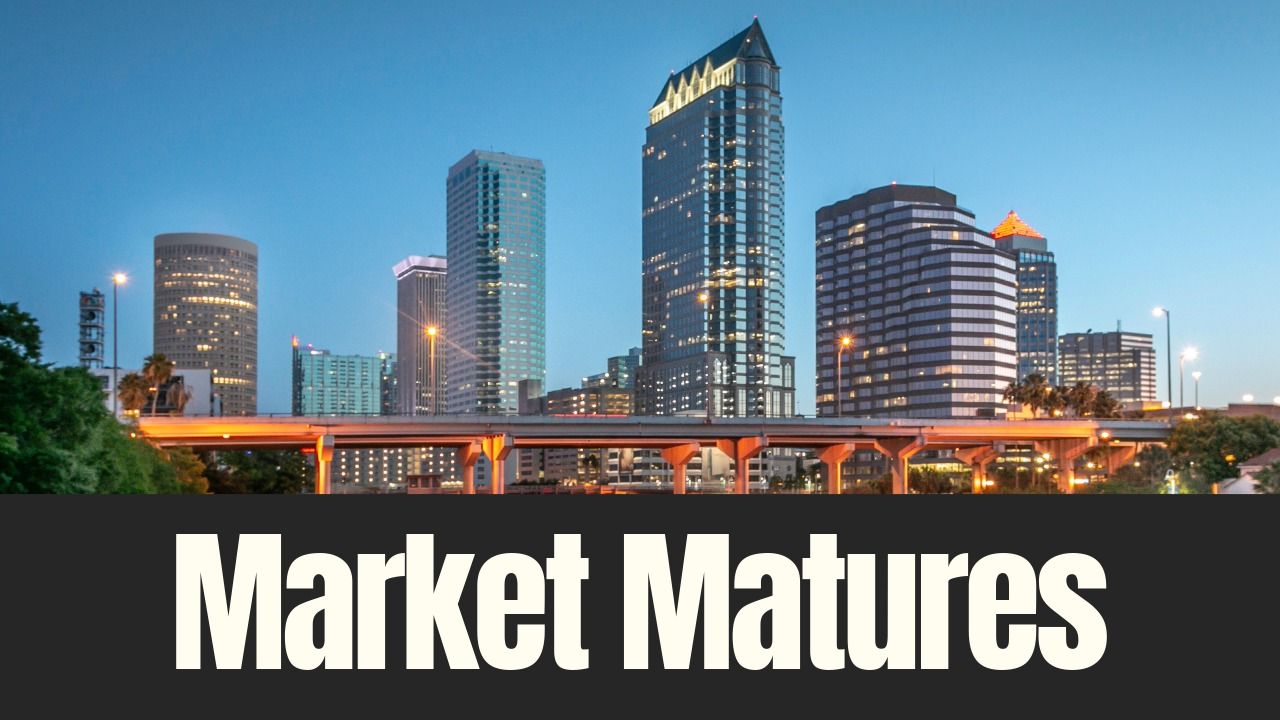
Tampa isn’t cooling off—it’s getting smarter. After years of rapid expansion, the city’s commercial real estate market has shifted into a more disciplined, selective phase. Population growth remains strong, office leasing is outperforming national trends, industrial activity is normalizing sustainably, and retail is seeing renewed investor confidence. With capital becoming more cautious and health care real estate emerging as a major growth sector, Tampa is entering a new era focused on strategy, execution, and long‑term fundamentals.