In a world where digital threats loom larger with each passing day, the future of cybersecurity is a topic of grave importance. As we edge closer to 2025, experts from the cybersecurity firm Resilience have shared their insights, shedding light on the challenges and transformations that lie ahead. Their predictions paint a vivid picture of a landscape fraught with both danger and opportunity.

Dr. Ann Irvine, Resilience’s chief data scientist, foresees a major cyber incident involving a relatively unknown company. She likens the potential impact to the CDK Global incident from this past summer, emphasizing the profound ripple effects that smaller, less-visible organizations can have on broader networks and industries. Moreover, she anticipates a successful deepfake attack targeting a Fortune 500 company, a testament to the evolving sophistication of cyber threats. However, Dr. Irvine dismisses the likelihood of a nationwide internet outage, citing the strong disincentives for threat actors who risk severe repercussions.

Public awareness of cybersecurity is expected to play a crucial role in shaping future policies and practices. Dr. Irvine highlights the growing consciousness among individuals and organizations, noting that the insurance industry will increasingly drive accountability by linking financial incentives to improved cybersecurity measures.

Justin Shattuck, Resilience’s chief information security officer, echoes these concerns while emphasizing the evolving role of corporate leadership in combating cyber threats. He predicts a significant industry-wide push to tighten contract language between companies and their vendors. This shift will see nebulous terms like “should” replaced with binding phrases like “shall,” ensuring clearer expectations and responsibilities.

Shattuck also points to alarming trends in ransomware, with financial damages soaring by 411% recently. He expects this upward trajectory to continue, driven by advancing attacker strategies and rising ransom demands. Furthermore, the visibility of CISOs in corporate leadership roles is anticipated to increase, empowering them to influence strategic risk management decisions at the board level. Companies with emboldened and empowered CISOs will likely fare better in preventing and mitigating the effects of cyberattacks.

For a more detailed exploration of these predictions, you can read the original article on Insurance Business America.

More Articles

Getting licensed or staying ahead in your career can be a journey—but it doesn’t have to be overwhelming. Grab your favorite coffee or tea, take a moment to relax, and browse through our articles. Whether you’re just starting out or renewing your expertise, we’ve got tips, insights, and advice to keep you moving forward. Here’s to your success—one sip and one step at a time!

Artificial Intelligence in Diagnostics: A Revolution in Healthcare

The global market for artificial intelligence in diagnostics is poised for remarkable growth, with projections estimating it to reach USD 7.3 billion by 2032.

By |December 10, 2024|Categories: Article, Artificial Intelligence, Healthcare|Tags: , |0 Comments

Revolutionizing Medical Education with Extended Reality

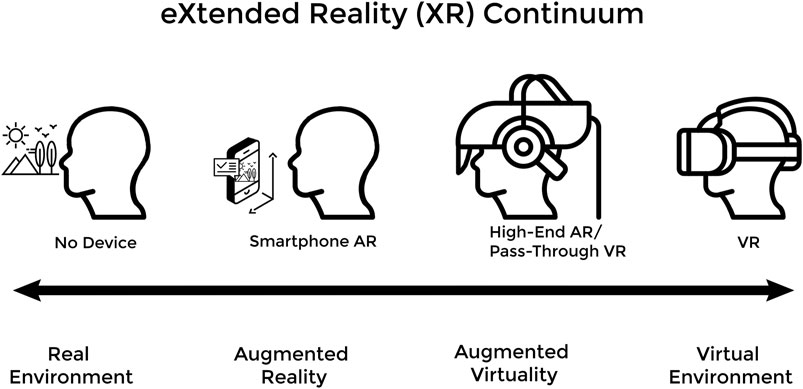
In the ever-evolving landscape of medical education, a new player has emerged, promising to revolutionize the way future doctors are trained. The integration of eXtended Reality (XR) technologies is reshaping the educational landscape by addressing the limitations of traditional methods.

Genetic Testing: A New Dawn in Healthcare

Genetic testing represents more than just a scientific advancement; it signifies a fundamental shift in how we approach health and wellness.

Sustainable Architecture: Blending Innovation with Ecological Responsibility

The journey toward sustainable architecture is ongoing, with each project serving as a beacon of what's achievable when creativity meets ecological awareness.

By |December 9, 2024|Categories: Architecture, Article, Sustainability|Tags: |0 Comments

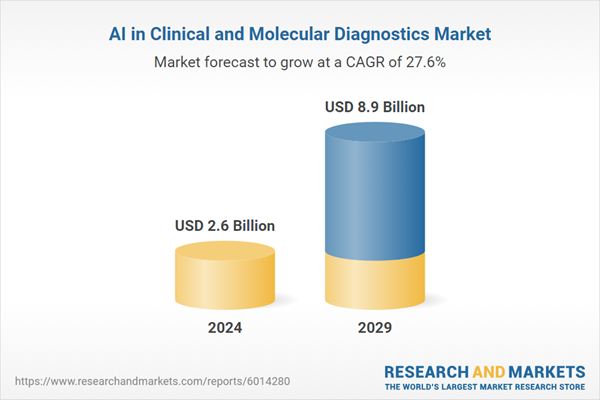
AI in Clinical and Molecular Diagnostics: A Market on the Rise

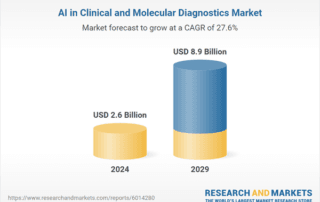
AI in Clinical and Molecular Diagnostics Market is set to experience remarkable growth, projected to surge from USD 2.6 billion in 2024 to USD 8.9 billion by 2029. This growth is driven by the integration of advanced AI technologies such as machine learning and deep learning into traditional diagnostic methodologies like imaging, genomics, and laboratory testing.

AI: A Revolution in Healthcare’s Future

AI is not a distant dream but a present reality, already integrated into everyday life through virtual assistants like Alexa and Siri. AI shows promise in enhancing medical accuracy, such as in predicting mesothelioma survival and improving colonoscopy accuracy, it is not intended to replace healthcare professionals.