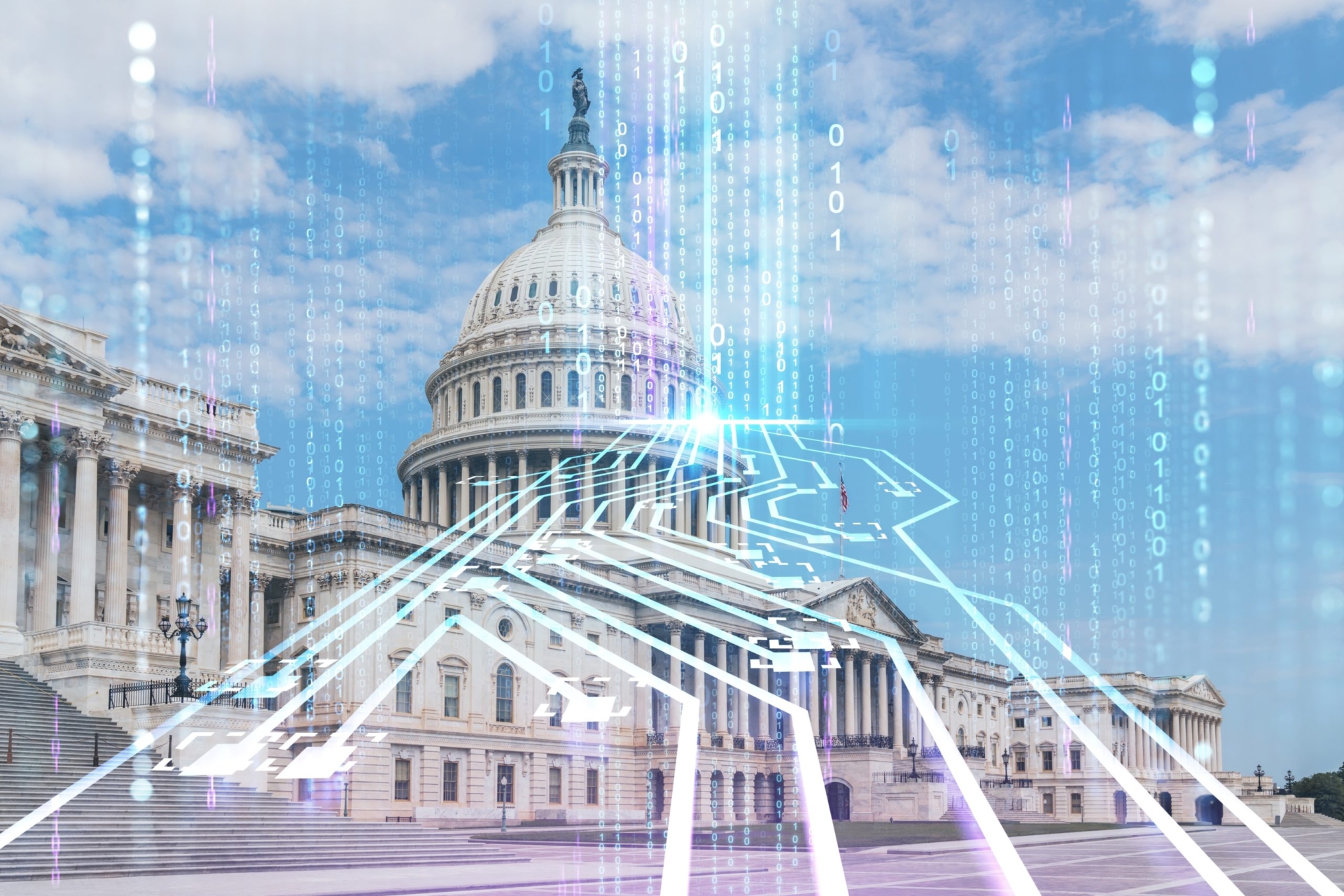
In a world where digital threats loom larger with each passing day, the future of cybersecurity is a topic of grave importance. As we edge closer to 2025, experts from the cybersecurity firm Resilience have shared their insights, shedding light on the challenges and transformations that lie ahead. Their predictions paint a vivid picture of a landscape fraught with both danger and opportunity.

Dr. Ann Irvine, Resilience’s chief data scientist, foresees a major cyber incident involving a relatively unknown company. She likens the potential impact to the CDK Global incident from this past summer, emphasizing the profound ripple effects that smaller, less-visible organizations can have on broader networks and industries. Moreover, she anticipates a successful deepfake attack targeting a Fortune 500 company, a testament to the evolving sophistication of cyber threats. However, Dr. Irvine dismisses the likelihood of a nationwide internet outage, citing the strong disincentives for threat actors who risk severe repercussions.

Public awareness of cybersecurity is expected to play a crucial role in shaping future policies and practices. Dr. Irvine highlights the growing consciousness among individuals and organizations, noting that the insurance industry will increasingly drive accountability by linking financial incentives to improved cybersecurity measures.

Justin Shattuck, Resilience’s chief information security officer, echoes these concerns while emphasizing the evolving role of corporate leadership in combating cyber threats. He predicts a significant industry-wide push to tighten contract language between companies and their vendors. This shift will see nebulous terms like “should” replaced with binding phrases like “shall,” ensuring clearer expectations and responsibilities.

Shattuck also points to alarming trends in ransomware, with financial damages soaring by 411% recently. He expects this upward trajectory to continue, driven by advancing attacker strategies and rising ransom demands. Furthermore, the visibility of CISOs in corporate leadership roles is anticipated to increase, empowering them to influence strategic risk management decisions at the board level. Companies with emboldened and empowered CISOs will likely fare better in preventing and mitigating the effects of cyberattacks.

For a more detailed exploration of these predictions, you can read the original article on Insurance Business America.

More Articles

Getting licensed or staying ahead in your career can be a journey—but it doesn’t have to be overwhelming. Grab your favorite coffee or tea, take a moment to relax, and browse through our articles. Whether you’re just starting out or renewing your expertise, we’ve got tips, insights, and advice to keep you moving forward. Here’s to your success—one sip and one step at a time!

Berlin-based Aignostics Secures €31.4 Million Series B Funding

In a significant stride for precision medicine, Aignostics, a pioneering artificial intelligence company, has announced the successful closure of a €31.4 million Series B funding round.

AI in Health Care: Opportunities and Challenges Ahead

In a world where technology is rapidly reshaping industries, the intersection of artificial intelligence (AI) and health care stands as a beacon of transformative potential. The Bipartisan Policy Center (BPC), a nonprofit organization dedicated to fostering bipartisan solutions, has recently addressed this critical synergy, emphasizing both the opportunities and challenges that lie ahead.

By |November 3, 2024|Categories: Article, Artificial Intelligence (AI), Health Care|Tags: , |0 Comments

Top 7 Construction Industry Trends in 2024

As we step into 2024, the construction industry is navigating a complex landscape marked by both challenges and opportunities. Labor shortages and supply chain disruptions continue to pose significant hurdles. Yet, there are bright spots on the horizon, with environmentally responsible projects and AI-driven innovations leading the charge.

AI in Healthcare: Pioneering Precision Health at Northeastern University

"If AI is working the way that we envision it, you actually won’t notice a lot of direct impact," says Sam Scarpino, the AI+Life Sciences director at Northeastern University. The vision is for AI to operate quietly in the background, much like a well-oiled engine, enhancing the efficiency of medical processes and enabling earlier detection of diseases, such as cancer.

U.S. Department of Transportation Unveils Roadmap for V2X Technology

The U.S. Department of Transportation has released a comprehensive plan to accelerate the rollout of this transformative technology across American roads. V2X technology allows cars and trucks to exchange critical information such as speed, position, and road conditions with each other and with road infrastructure. This system is designed to prevent collisions and reduce the impact of crashes, potentially saving thousands of lives annually.

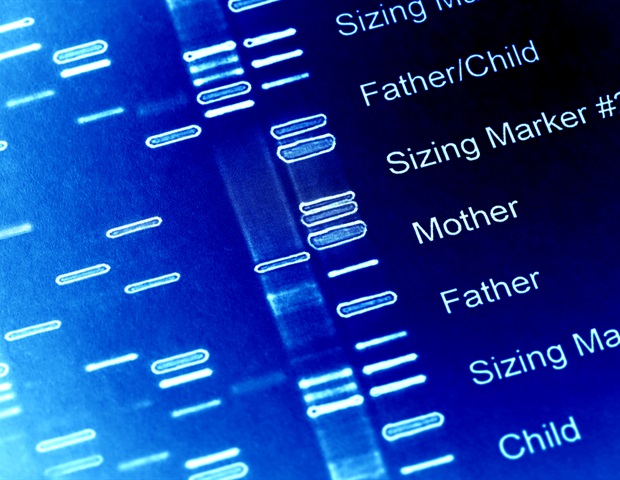
Unveiling the Genetic Secrets: Groundbreaking Study on Rare Diseases in Germany

In a groundbreaking effort to unravel the mysteries of rare diseases, a recent Germany-wide study has leveraged cutting-edge genetic diagnostics to make significant strides in understanding these elusive conditions.

By |November 2, 2024|Categories: Article, Health, Technology|Tags: , |0 Comments