


The digital health industry is on the cusp of a transformative era, as highlighted in the recent virtual conference hosted by the Food and Drug Law Institute (FDLI). Held from January 31 to February 1, 2024, this event brought together key stakeholders from across the sector to discuss the latest advancements and regulatory developments in digital health technology.


Cardiologist doctor, surgeon analyzing patient heart testing

With a focus on the rapid evolution of digital health, the conference delved into critical topics such as mobile health apps, health information technology, artificial intelligence, machine learning, wearables, and telemedicine. These discussions are particularly timely, given the increasing reliance on digital tools to enhance patient care and improve provider efficiency.


Keynote Speakers and Topics

Among the distinguished speakers was Dr. Sonja Fulmer, Deputy Director of the FDA’s Digital Health Center of Excellence. Dr. Fulmer provided valuable insights into the FDA’s ongoing efforts to establish robust regulatory frameworks to ensure the safety and efficacy of digital health innovations.


Untitled design image

The conference also addressed pressing issues such as cybersecurity and privacy breaches within the digital health realm. As these challenges become more prevalent, the need for comprehensive regulatory measures at both state and federal levels becomes increasingly apparent.


Planning Committee and Participants

The event was meticulously organized by a planning committee comprising notable figures from leading organizations, including Nicholas Benetatos from Exponent, Inc., Charlene Cho from Johnson & Johnson, and Mahnu Davar from Arnold & Porter LLP, among others. Their collective expertise ensured a well-rounded and insightful exploration of the digital health landscape.


Ropes image

Overall, the conference underscored the critical role of digital health in the future of healthcare. It emphasized the importance of staying ahead of technological advancements while addressing regulatory challenges to protect patient data and ensure the integrity of digital health solutions.


More Articles

Getting licensed or staying ahead in your career can be a journey—but it doesn’t have to be overwhelming. Grab your favorite coffee or tea, take a moment to relax, and browse through our articles. Whether you’re just starting out or renewing your expertise, we’ve got tips, insights, and advice to keep you moving forward. Here’s to your success—one sip and one step at a time!

AI Transforming Health Care: Bridging Academic and Clinical Practices

Artificial intelligence (AI) is revolutionizing diagnostics, treatment, and patient care, with significant advancements particularly noted in fields like radiology and oncology.

AI Revolutionizes Cancer Diagnostics

AI tools are now being leveraged to analyze images and tissue samples, offering insights that surpass traditional methods. AI's integration into healthcare, particularly in oncology, marks a significant shift towards precision medicine.

By |November 19, 2024|Categories: Article, Healthcare, Technology|Tags: , |0 Comments

AI in Precision Medicine: Navigating Challenges and Embracing Opportunities

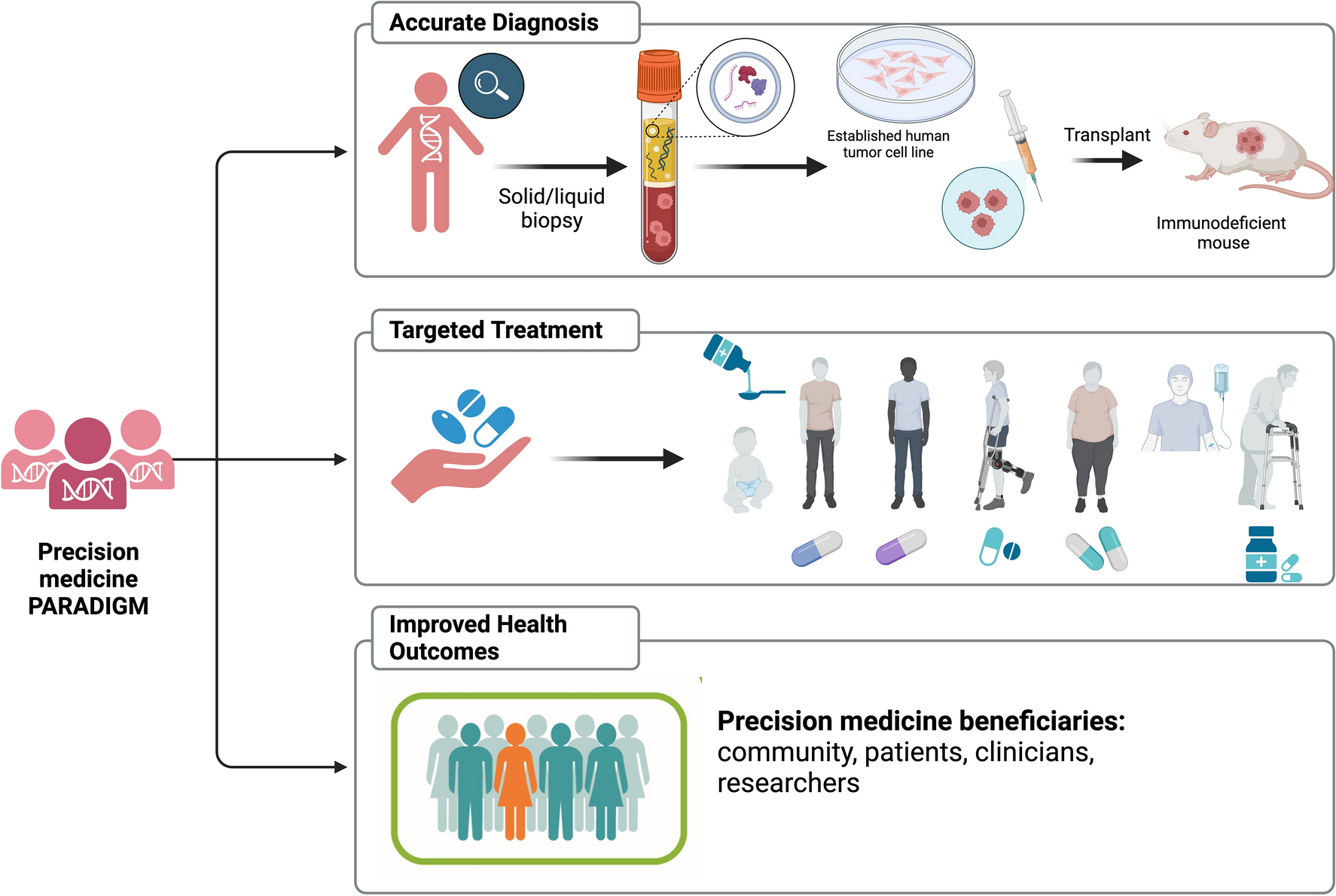
AI's potential to revolutionize healthcare lies in its ability to process vast amounts of data, uncover hidden patterns, and support clinical decision-making. It is particularly promising in the realms of drug development and clinical practice, where it can streamline processes, reduce costs, and improve patient experiences.

The Expanding Role of Telehealth in Nursing

Nurses, the unsung heroes on the front lines of patient care, are increasingly embracing telehealth technology as a core component of their roles. Telehealth offers a transformative opportunity to enhance patient outcomes and broaden access to healthcare. This shift is particularly pertinent in the face of an aging population and ongoing nursing shortages.

By |November 19, 2024|Categories: Article, Nursing, Telehealth|Tags: , |0 Comments

AI Revolutionizing Healthcare: From Diagnostics to Pandemics

AI enhances the ability to interpret medical images such as X-rays and MRIs, often surpassing human accuracy. By identifying patterns that even seasoned professionals might miss, AI complements human expertise, improving diagnostic precision.


By |November 18, 2024|Categories: Article, Healthcare, Technology|Tags: , |0 Comments