The Future of Life Sciences: A Vision for 2030

As we edge closer to 2030, the life sciences industry stands on the threshold of transformative changes. With a global valuation exceeding $2 trillion, the sector is poised for significant growth, driven by technological advancements and an aging population. The resilience demonstrated during the COVID-19 pandemic has set the stage for ongoing evolution in healthcare development.

Current Innovations and Trends

The rapid acceleration of digital technology, particularly artificial intelligence (AI), machine learning, and genomics, has revolutionized drug discovery and personalized medicine. Technologies such as wearables and telemedicine are reshaping healthcare delivery, marking the dawn of a digital health revolution.

  • AI and Machine Learning: These technologies are at the forefront of the industry’s progress, enhancing medical devices, discovering data patterns, and boosting productivity. However, legal challenges regarding intellectual property and data privacy remain.
  • Precision Medicine: Leveraging genomics and AI, precision medicine offers tailored treatments to individual health profiles, significantly improving the management of chronic diseases like cancer and diabetes.
  • Digital Health Technologies: The pandemic accelerated the adoption of cloud computing and AI, leading to scientific breakthroughs and improved manufacturing efficiency. Wearables and healthcare apps are crucial in early health issue detection and patient care enhancement.
  • Patient-Centric Care: Smart technologies enable personalized healthcare through remote monitoring and tailored treatments, shifting the focus to a more patient-centric approach.
  • Biotechnology Innovations: Companies are using biological processes to address global challenges, resulting in more effective medicines and sustainable farming solutions.

Challenges and Opportunities

The Inflation Reduction Act in the U.S. presents challenges for drug pricing and company revenue, prompting a reevaluation of investment strategies. Increasing diversity in clinical trials is essential for equitable treatment development. Legal and ethical concerns around gene editing and data privacy necessitate robust guidelines.

Opportunities for Growth

Developing AI solutions that support healthcare workers’ daily decisions could revolutionize healthcare delivery, making it more personal and effective. Embracing advanced analytics enables healthcare organizations to make data-driven decisions, enhancing patient care and operational efficiency. Additionally, utilizing AI for drug repurposing could lead to innovative treatments for challenging conditions.

As we look towards 2030, the life sciences industry is on the cusp of groundbreaking innovations that promise enhanced, personalized healthcare for all. The key challenge remains ensuring these advancements are accessible and beneficial to everyone, emphasizing the need for collaboration between governments, healthcare providers, and biotechnology companies.

More Articles

Getting licensed or staying ahead in your career can be a journey—but it doesn’t have to be overwhelming. Grab your favorite coffee or tea, take a moment to relax, and browse through our articles. Whether you’re just starting out or renewing your expertise, we’ve got tips, insights, and advice to keep you moving forward. Here’s to your success—one sip and one step at a time!

Artificial Intelligence in Diagnostics: A Revolution in Healthcare

The global market for artificial intelligence in diagnostics is poised for remarkable growth, with projections estimating it to reach USD 7.3 billion by 2032.

By |December 10, 2024|Categories: Article, Artificial Intelligence, Healthcare|Tags: , |0 Comments

Revolutionizing Medical Education with Extended Reality

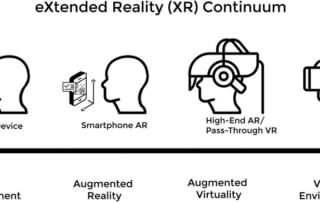
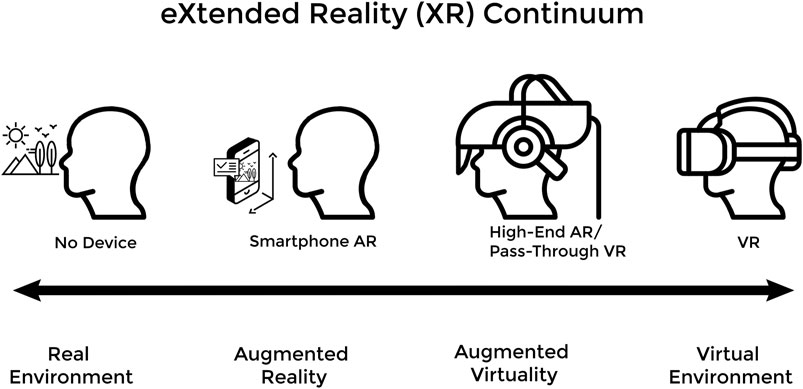
In the ever-evolving landscape of medical education, a new player has emerged, promising to revolutionize the way future doctors are trained. The integration of eXtended Reality (XR) technologies is reshaping the educational landscape by addressing the limitations of traditional methods.

Genetic Testing: A New Dawn in Healthcare

Genetic testing represents more than just a scientific advancement; it signifies a fundamental shift in how we approach health and wellness.

Sustainable Architecture: Blending Innovation with Ecological Responsibility

The journey toward sustainable architecture is ongoing, with each project serving as a beacon of what's achievable when creativity meets ecological awareness.

By |December 9, 2024|Categories: Architecture, Article, Sustainability|Tags: |0 Comments

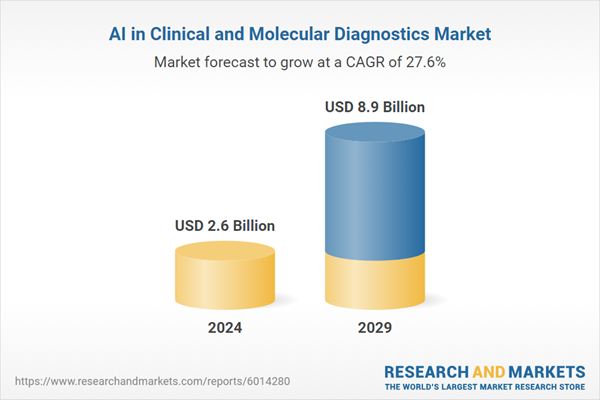
AI in Clinical and Molecular Diagnostics: A Market on the Rise

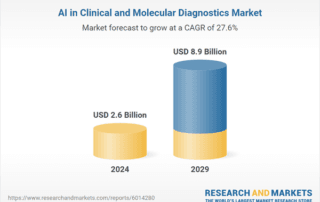
AI in Clinical and Molecular Diagnostics Market is set to experience remarkable growth, projected to surge from USD 2.6 billion in 2024 to USD 8.9 billion by 2029. This growth is driven by the integration of advanced AI technologies such as machine learning and deep learning into traditional diagnostic methodologies like imaging, genomics, and laboratory testing.

AI: A Revolution in Healthcare’s Future

AI is not a distant dream but a present reality, already integrated into everyday life through virtual assistants like Alexa and Siri. AI shows promise in enhancing medical accuracy, such as in predicting mesothelioma survival and improving colonoscopy accuracy, it is not intended to replace healthcare professionals.