In the face of
cancer’s enduring grip as one of the world’s deadliest diseases, the field of
oncology stands on the cusp of a transformative era. Over recent decades, numerous advancements have been made to combat cancer, yet the illness remains an intricate adversary with over 100 types and countless subtypes. However, the burgeoning field of
TechBio—a fusion of biotechnology and technology—is poised to redefine
cancer treatment, making it more accessible, affordable, and universally effective.
Latest Technologies Transforming Cancer Diagnosis and Therapy
The domain of
oncology is witnessing unprecedented dynamism, propelled by innovations in
artificial intelligence (AI),
machine learning (ML), genomics, and personalized medicine. These technological marvels are radically altering the methods of
cancer detection, understanding, and treatment.
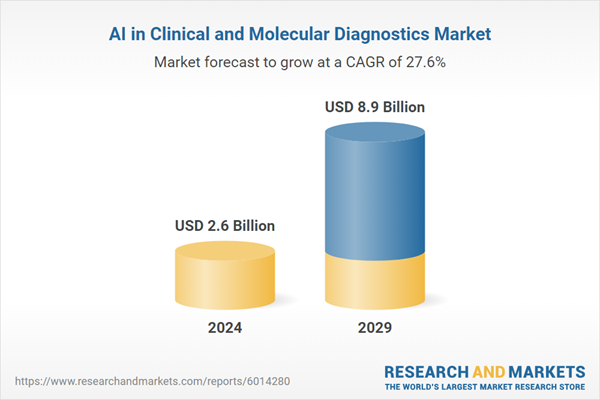
- AI-Powered Diagnostics: Cutting-edge AI systems are integral in diagnosing cancer with greater speed and accuracy. By analyzing imaging scans, pathology slides, and biomarkers, AI can identify cancerous changes at the earliest, most treatable stages. For instance, Google’s DeepMind and similar systems have proven their proficiency, even surpassing human radiologists in detecting breast cancer and other malignancies earlier.
- Genomics and Precision Medicine: Breakthroughs in genomic sequencing have unveiled the potential to pinpoint genetic mutations that drive individual cancers. This paves the way for targeted therapies, designed to block specific mutations fueling tumor growth. Therapies like trastuzumab for HER2-positive breast cancer and osimertinib for EGFR-mutant lung cancer illustrate the transformative power of precision medicine.
- Immunotherapy: The oncology sector is abuzz with the promise of immunotherapies, such as immune checkpoint inhibitors and CAR-T cell therapy. These treatments leverage the patient’s immune system to target and destroy cancer cells. Although presently expensive and logistically demanding, scalable technologies are expected to democratize their use.
- AI-Driven Drug Discovery: AI and machine learning are revolutionizing the drug discovery process, with platforms like BenevolentAI and Recursion Pharmaceuticals scrutinizing vast datasets to swiftly pinpoint new cancer drug candidates. This innovation could significantly abbreviate the timeline from discovery to clinical trials, ushering life-saving treatments to patients more swiftly.
Are We Close to a Breakthrough?
While completely defeating cancer remains an ambition, there is a growing belief in managing it as a chronic condition. The focus shifts not to a singular “cure,” but to controlling cancer effectively—a feasible future scenario. Early-stage cancers detected through liquid biopsies, using non-invasive blood tests, have shown potential in significantly improving survival rates.
Emerging technologies such as
CRISPR-based gene editing offer hope to rectify cancer-causing mutations. Concurrently, digital twin simulations—virtual models of a patient’s body—are employed to predict treatment outcomes and refine therapies in real-time, inching us closer to a future where cancer diagnoses come with an assurance of effective, personalized care.
Democratizing Cancer Care: Accessibility and Affordability
Despite these scientific strides, a critical concern remains: ensuring that breakthroughs are not limited to affluent regions. Technology can dismantle traditional barriers of cost, geography, and expertise, playing a pivotal role in democratizing
cancer care.
- Telemedicine and Remote Monitoring: These can enhance access to treatments while lowering costs. AI-equipped telehealth platforms offer patients in remote or underserved areas access to oncology specialists without the need for travel.
- Cloud-Based Data Sharing: The secure global sharing of clinical data can democratize research and improve patient outcomes worldwide. Open-source AI models trained on diverse datasets will help craft treatment strategies effective across varying populations.
- Automation: With appropriate use, automation can diminish human error and slash costs and waiting times. From automated drug manufacturing to AI-driven clinical trial optimization, digital health solutions promise to lower development and delivery costs, ensuring even low-resource settings benefit from cutting-edge technologies.
A New Approach to Healthcare
The innovations in oncology transcend cancer itself, foreshadowing a revolution in healthcare diagnostics and treatments at large. Technologies that emerged in the fight against cancer—from AI-driven drug discovery to personalized medicine—are redefining treatments for diseases ranging from rare genetic disorders to common chronic conditions like diabetes. By building a robust infrastructure linking biotechnology and technology, a healthcare system prioritizing accessibility, precision, and sustainability is within reach.
Challenges, including data standardization and regulatory and ethical concerns, persist. However, the path forward is visible. With a commitment to
TechBio innovations, the oncology community can deliver transformative care globally. By embracing collaboration, investing wisely, and enacting supportive policy frameworks, we can soon witness a world where life-saving treatments are not exclusive privileges but universal rights.
The future of oncology is about more than conquering cancer; it’s an opportunity to redefine healthcare access and equity worldwide, ensuring hope and healing for all.
Read the full article for more insights.