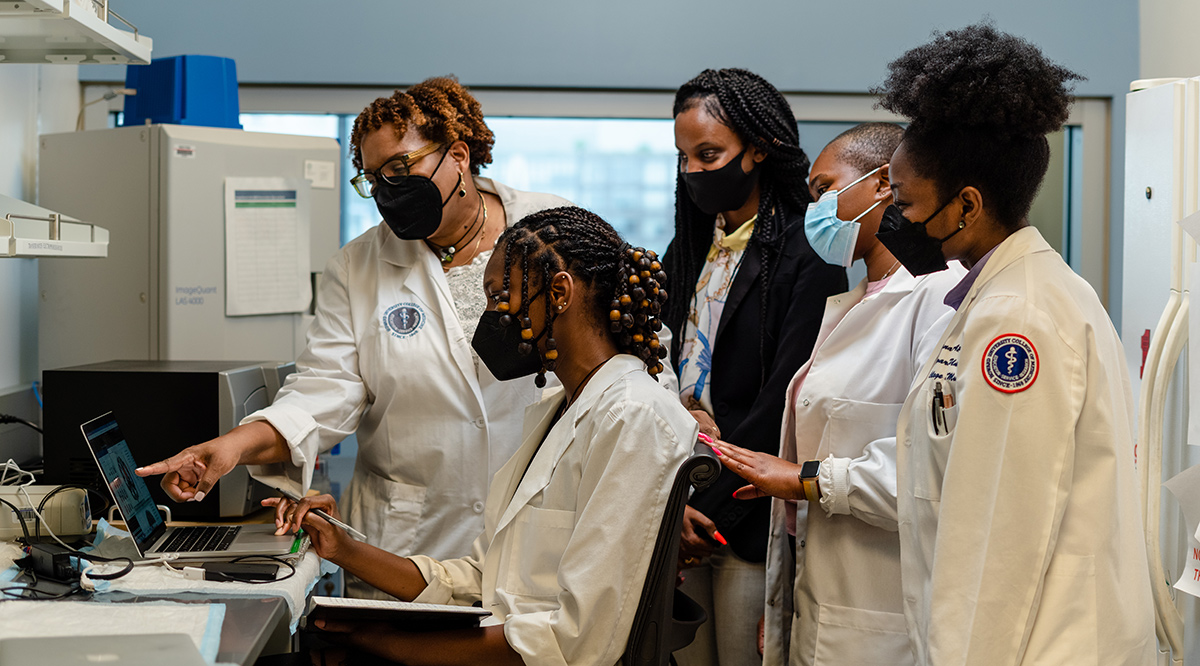
In the rapidly advancing realm of personalized medicine, where treatments are tailored to individual genetic and lifestyle profiles, a critical question looms: who will truly benefit from these innovations? While personalized medicine has made significant strides since the introduction of BRCA1/2 genetic screenings in the 1990s, disparities in access continue to cast a long shadow over these medical breakthroughs.
The Association of American Medical Colleges (AAMC) reports that while breast cancer mortality has decreased, Black women still face a 40% higher death rate compared to their White counterparts. This inequity is partly due to the fact that Black women are less frequently offered genetic screenings that could potentially save their lives.
Bridging the Gap
Efforts to rectify these disparities are underway. Initiatives like the Chan Zuckerberg Initiative’s Accelerate Precision Health program aim to expand research at historically Black colleges and universities (HBCUs). These programs focus on increasing the representation of diverse genetic profiles in medical research.
Moreover, the NIH’s All of Us research program is building one of the largest and most diverse health databases in the world. This initiative seeks to understand how various factors such as environment and socioeconomic status influence health, with the ultimate goal of making precision medicine accessible to all communities.
Challenges and Responsibilities
Despite these promising efforts, systemic barriers remain. The lack of diverse representation in genetic studies, high costs of genetic testing, and limited outreach to marginalized communities hinder the equitable distribution of personalized medicine’s benefits. As the field continues to evolve, the urgency to address these challenges grows.
Rick Kittles, PhD, of Morehouse School of Medicine, emphasizes that academic medical centers must commit to resolving inequities within their communities. This includes fostering trust and building relationships with underrepresented groups to ensure that the advancements in personalized medicine are inclusive and beneficial to all.
As personalized medicine continues to develop, the question remains: will it be a beacon of hope for all, or a gateway to new health disparities?
More Articles
Getting licensed or staying ahead in your career can be a journey—but it doesn’t have to be overwhelming. Grab your favorite coffee or tea, take a moment to relax, and browse through our articles. Whether you’re just starting out or renewing your expertise, we’ve got tips, insights, and advice to keep you moving forward. Here’s to your success—one sip and one step at a time!
In the rapidly advancing world of healthcare, technologies such as AI and wearable devices are reshaping the way we diagnose, treat, and monitor mental health conditions. These innovations are not just a glimpse into the future; they are actively transforming the present landscape of medical practice.
In a groundbreaking effort to redefine healthcare, the National Institute of Diabetes and Digestive and Kidney Diseases (NIDDK) is spearheading a workshop focused on the integration of Artificial Intelligence (AI) and Machine Learning (ML) in precision medicine, specifically targeting diabetes and other chronic diseases. This initiative aims to leverage recent advancements in AI, including generative AI and Large Language Models (LLMs), to innovate biomarker development, drug discovery, and diagnostics.
This collaboration is set to revolutionize property valuations for 56% of the nation's mortgage-linked market, blending cutting-edge AI technology with real-time property data and insights.
"According to the World Health Organization (WHO), around two billion individuals residing in rural and remote areas worldwide lack sufficient healthcare access. A major contributor to this issue is inadequate broadband access, which severely limits the effectiveness of telehealth services."
AI's potential in healthcare is vast, with its most promising applications in computer vision. As Dr. Yu explains, this technology, widely used in facial recognition and autonomous driving, can significantly enhance cancer diagnosis.
The journey to establish a return on investment (ROI) from AI projects can be as complex as it is rewarding. As organizations continue to invest in generative AI, the challenge lies in translating hype into tangible business value.