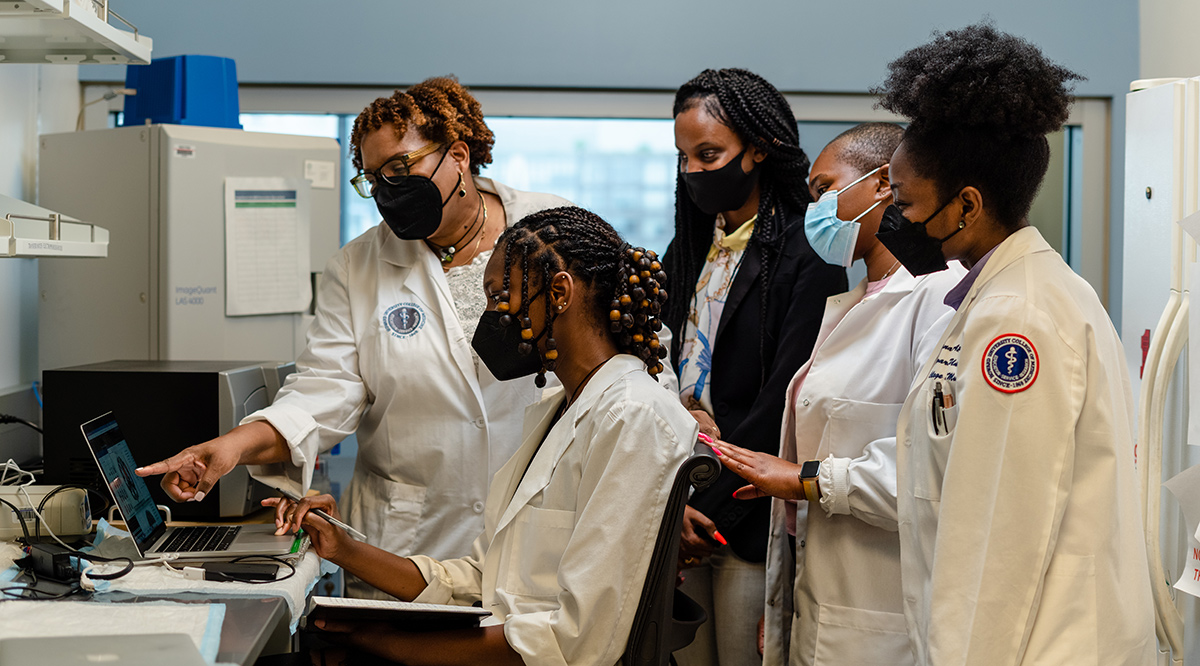
In the rapidly advancing realm of personalized medicine, where treatments are tailored to individual genetic and lifestyle profiles, a critical question looms: who will truly benefit from these innovations? While personalized medicine has made significant strides since the introduction of BRCA1/2 genetic screenings in the 1990s, disparities in access continue to cast a long shadow over these medical breakthroughs.
The Association of American Medical Colleges (AAMC) reports that while breast cancer mortality has decreased, Black women still face a 40% higher death rate compared to their White counterparts. This inequity is partly due to the fact that Black women are less frequently offered genetic screenings that could potentially save their lives.
Bridging the Gap
Efforts to rectify these disparities are underway. Initiatives like the Chan Zuckerberg Initiative’s Accelerate Precision Health program aim to expand research at historically Black colleges and universities (HBCUs). These programs focus on increasing the representation of diverse genetic profiles in medical research.
Moreover, the NIH’s All of Us research program is building one of the largest and most diverse health databases in the world. This initiative seeks to understand how various factors such as environment and socioeconomic status influence health, with the ultimate goal of making precision medicine accessible to all communities.
Challenges and Responsibilities
Despite these promising efforts, systemic barriers remain. The lack of diverse representation in genetic studies, high costs of genetic testing, and limited outreach to marginalized communities hinder the equitable distribution of personalized medicine’s benefits. As the field continues to evolve, the urgency to address these challenges grows.
Rick Kittles, PhD, of Morehouse School of Medicine, emphasizes that academic medical centers must commit to resolving inequities within their communities. This includes fostering trust and building relationships with underrepresented groups to ensure that the advancements in personalized medicine are inclusive and beneficial to all.
As personalized medicine continues to develop, the question remains: will it be a beacon of hope for all, or a gateway to new health disparities?
More Articles
Getting licensed or staying ahead in your career can be a journey—but it doesn’t have to be overwhelming. Grab your favorite coffee or tea, take a moment to relax, and browse through our articles. Whether you’re just starting out or renewing your expertise, we’ve got tips, insights, and advice to keep you moving forward. Here’s to your success—one sip and one step at a time!
The latest MBA survey shows overall mortgage applications dipping 1.4% during the holiday week, even as purchase activity rose on a seasonally adjusted basis. Refinances cooled despite lower rates, which averaged 6.32% for a 30‑year fixed. Rising ARMs and shifting buyer behavior highlight a market still trying to stabilize amid softening economic indicators.
October delivered the first year‑over‑year slowdown in commercial real estate deals in nearly two years, signaling a growing disconnect between buyers and sellers as elevated rates and policy uncertainty reshape pricing expectations. While multifamily cooled and office assets traded at steep discounts, hotels and adaptive‑reuse projects stood out as rare bright spots. For professionals across real estate, mortgage, and finance, the shifting landscape underscores the need for sharper analysis and continued education heading into 2026.
The US workers’ compensation market is bracing for a pivotal year in 2026 as medical inflation, rising claim complexity, and tightening state regulations push costs higher for insurers and employers. With cumulative trauma injuries increasing and states expanding presumption laws—especially for first responders and healthcare workers—underwriting strategies are being forced to evolve. At the same time, technology like predictive analytics and workplace wearables is reshaping loss prevention, while more organizations turn to captives and hybrid programs to manage volatility.
Over the past 25 years, Florida Realtors has transformed from a simple support desk into one of the most influential tech ecosystems in real estate. Through member‑driven tools like Tech Helpline, Form Simplicity and the new Sabal Sign platform, the association has built a stable, fully integrated system used by agents across the U.S. and Canada. Free from outside investors and focused entirely on member needs, Florida Realtors has quietly become a tech powerhouse—proving that long-term vision, not venture capital, is what truly drives innovation in the industry.
Massachusetts is poised for a major shift in home‑sale transparency as Gov. Maura Healey pushes for mandatory flood disclosures — a change that could impact buyers, sellers, and real estate professionals statewide. With worsening climate conditions and growing flood damage in communities like Winthrop and Salem, the proposal aims to ensure buyers understand a property’s true risk before they commit. The move has wide support from insurers and municipalities, while the real estate industry remains split over its potential impact on the state’s long‑standing “buyer beware” culture.
Florida’s long‑troubled property insurance market is finally showing early signs of recovery. Thanks to recent legislative reforms that reduced litigation and attracted new insurers, some homeowners are even seeing their premiums drop. These improvements are boosting consumer confidence and creating new opportunities for real estate, mortgage, and insurance professionals across the state.