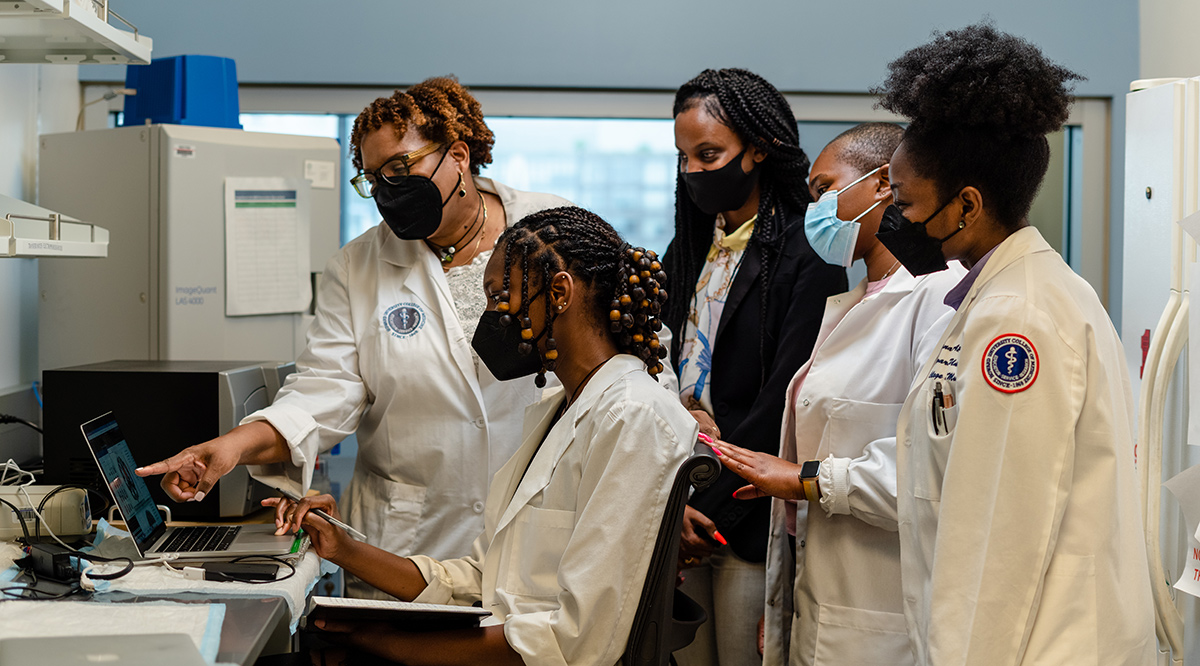
In the rapidly advancing realm of personalized medicine, where treatments are tailored to individual genetic and lifestyle profiles, a critical question looms: who will truly benefit from these innovations? While personalized medicine has made significant strides since the introduction of BRCA1/2 genetic screenings in the 1990s, disparities in access continue to cast a long shadow over these medical breakthroughs.
The Association of American Medical Colleges (AAMC) reports that while breast cancer mortality has decreased, Black women still face a 40% higher death rate compared to their White counterparts. This inequity is partly due to the fact that Black women are less frequently offered genetic screenings that could potentially save their lives.
Bridging the Gap
Efforts to rectify these disparities are underway. Initiatives like the Chan Zuckerberg Initiative’s Accelerate Precision Health program aim to expand research at historically Black colleges and universities (HBCUs). These programs focus on increasing the representation of diverse genetic profiles in medical research.
Moreover, the NIH’s All of Us research program is building one of the largest and most diverse health databases in the world. This initiative seeks to understand how various factors such as environment and socioeconomic status influence health, with the ultimate goal of making precision medicine accessible to all communities.
Challenges and Responsibilities
Despite these promising efforts, systemic barriers remain. The lack of diverse representation in genetic studies, high costs of genetic testing, and limited outreach to marginalized communities hinder the equitable distribution of personalized medicine’s benefits. As the field continues to evolve, the urgency to address these challenges grows.
Rick Kittles, PhD, of Morehouse School of Medicine, emphasizes that academic medical centers must commit to resolving inequities within their communities. This includes fostering trust and building relationships with underrepresented groups to ensure that the advancements in personalized medicine are inclusive and beneficial to all.
As personalized medicine continues to develop, the question remains: will it be a beacon of hope for all, or a gateway to new health disparities?
More Articles
Getting licensed or staying ahead in your career can be a journey—but it doesn’t have to be overwhelming. Grab your favorite coffee or tea, take a moment to relax, and browse through our articles. Whether you’re just starting out or renewing your expertise, we’ve got tips, insights, and advice to keep you moving forward. Here’s to your success—one sip and one step at a time!
Many Floridians are discovering after major hurricanes that what they assumed was covered by their insurance simply isn’t. With more than 100,000 claims denied or closed without payment and widespread confusion over gaps like flood versus hurricane coverage, experts warn that the fine print can hit harder than the storm itself. As premiums rise and policies grow more complex, understanding what’s actually protected has become essential for homeowners and real estate professionals alike.
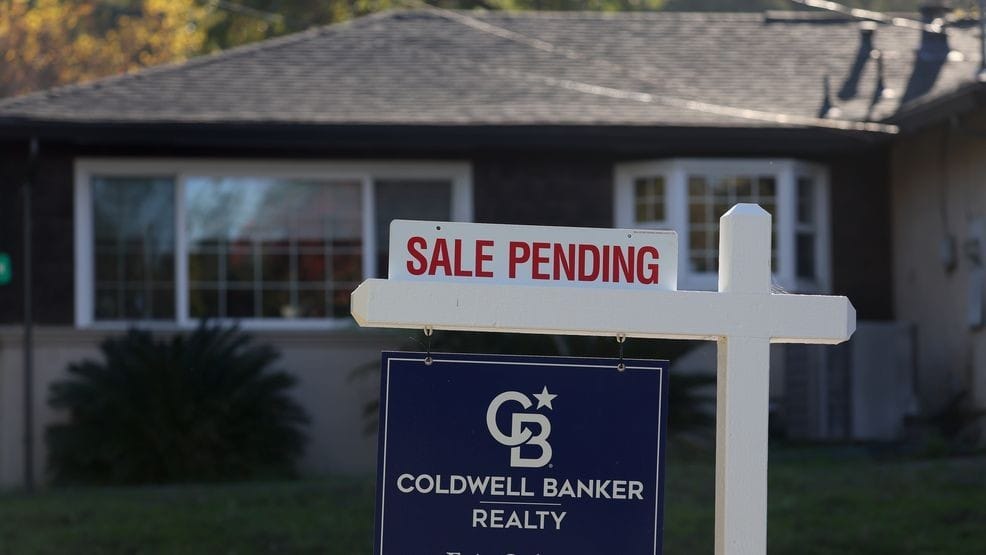
A new report from Zillow shows the U.S. just experienced its strongest October housing market since 2021, with inventory rising, affordability improving, and both new listings and pending sales up 5% year-over-year. Nineteen major markets now favor buyers—nine more than last year—as mortgage rates ease, inventory rebounds, and home values level off. For real estate professionals, especially in Florida, these shifts signal a market gaining momentum heading into 2025 and beyond.
Commercial real estate is heading into 2026 with major shifts in policy, technology, investment flows, and market fundamentals. From tightening capital sources and AI-driven decision-making to nationwide housing shortages and a looming wave of maturing debt, professionals across real estate, finance, insurance, and development must adapt quickly. These trends will shape opportunities, risks, and required skills in the year ahead—making strategic education and licensing upgrades more important than ever.
A major cyberattack on real‑estate data giant SitusAMC has triggered emergency responses across Wall Street, exposing sensitive loan records and legal documents tied to major banks like JPMorgan and Citigroup. While operations have been restored, the breach highlights critical weaknesses in third‑party vendors that support the nation’s real‑estate and mortgage infrastructure. Federal investigators and financial institutions are now racing to assess the fallout as experts warn of long‑term risks to the digital systems underpinning multi‑trillion‑dollar lending markets.
Australia’s commercial real estate sector is undergoing a major long‑term shift driven by hybrid work, booming logistics demand, sustainability priorities and evolving global capital flows. With the market projected to grow from USD 11.96 billion in 2024 to USD 21.03 billion by 2033, the biggest opportunities are emerging in industrial assets, ESG‑certified buildings, flexible workspaces and adaptive reuse projects. These trends echo changes developing in the U.S.—including Florida—making Australia a valuable case study for professionals watching the future of commercial real estate.
A new wave of chat‑driven AI tools is transforming how agents market properties by letting them edit listing photos simply by describing what they want changed. From removing clutter to adjusting lighting or staging entire rooms, professionals can now showcase a unit’s full potential long before it’s camera‑ready. This technology boosts efficiency for property managers, enhances buyer engagement through interactive visuals, and underscores the importance of transparency as AI becomes a core part of real estate marketing.