In a rapidly evolving world, technology is set to redefine the real estate landscape by 2025. As reported by AZ Big Media, several cutting-edge technologies are poised to revolutionize how properties are bought, sold, rented, and managed. From artificial intelligence (AI) and blockchain to virtual reality (VR) and data analytics, these innovations are reshaping the expectations of consumers and intensifying competition among real estate businesses.


Ai-driven property recommendations

AI-Driven Property Recommendations

AI is set to become the cornerstone of property searches, offering personalized recommendations based on user preferences such as budget, location, and lifestyle. John Beebe, CEO and Founder of Classic Car Deals, highlights that AI algorithms will employ predictive analytics to identify valuable assets and forecast market conditions, streamlining the property search process for buyers and renters.


Blockchain for Transparent Transactions

The integration of blockchain technology promises enhanced security and transparency in real estate transactions. Dr. Nick Oberheiden, Founder of Oberheiden P.C., notes that smart contracts will automate agreements, eliminating intermediaries and reducing transaction costs. Blockchain will also facilitate fractional ownership, opening new investment opportunities.

Virtual reality for property tours

Virtual Reality for Property Tours

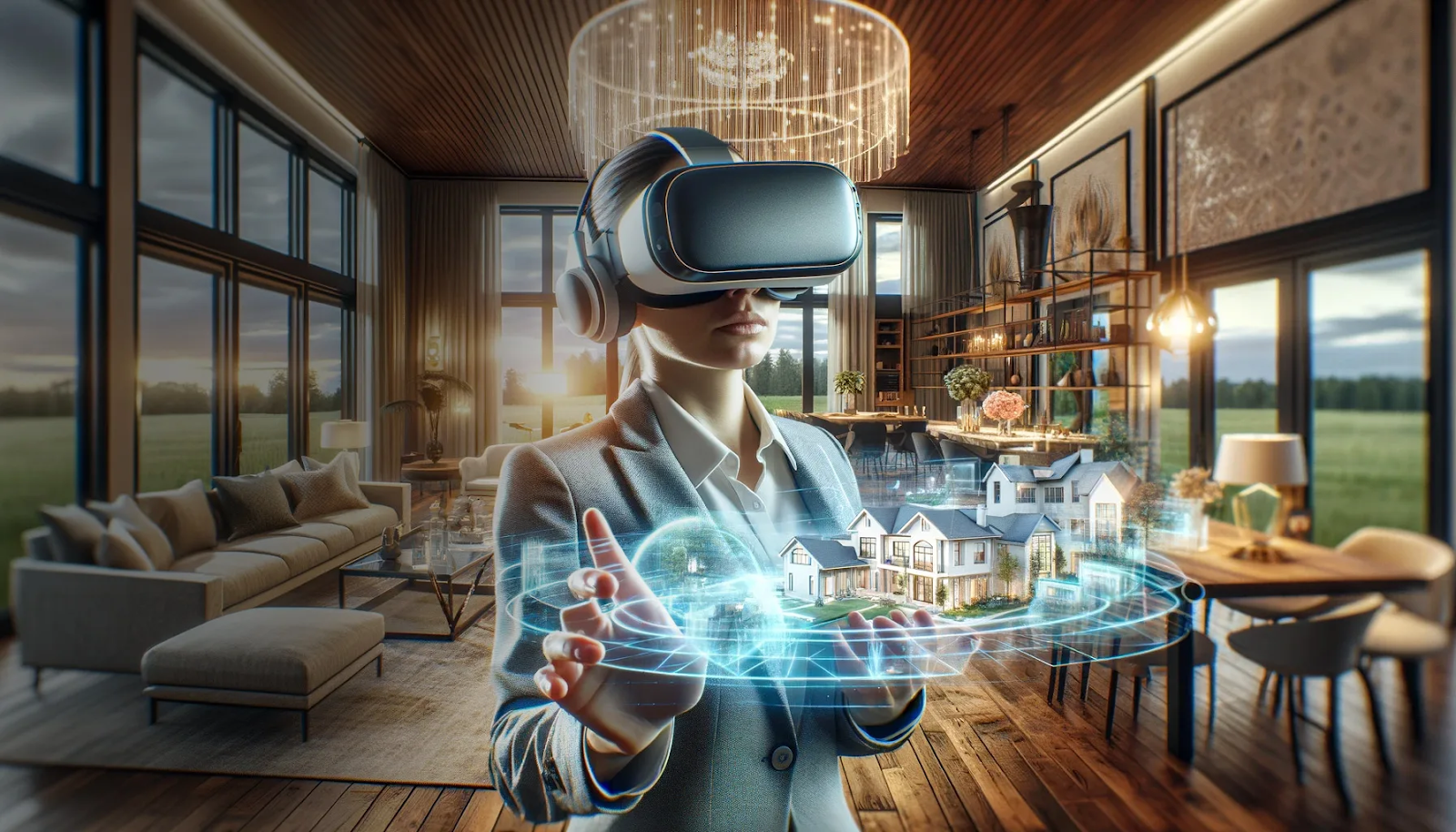
Virtual reality is transforming property marketing by allowing potential buyers to tour homes remotely. Gerrid Smith, Founder & CEO of Fortress Growth, emphasizes that VR technology will offer hyper-realistic experiences, enabling international shoppers to explore properties without traveling.


Big Data for Market Insights

Big data platforms will provide valuable market insights, helping stakeholders make informed decisions. Sam Hodgson of ISA.co.uk explains that predictive analytics will highlight market trends and property appreciation rates, benefiting buyers and sellers alike.


IoT-Enabled Smart Homes

The Internet of Things (IoT) will integrate advanced solutions into homes, from energy-efficient systems to community-level innovations. Alex L. of StudyX anticipates that these developments will appeal to environmentally conscious consumers seeking sustainable living options.

Digital twins for property development

Digital Twins for Property Development

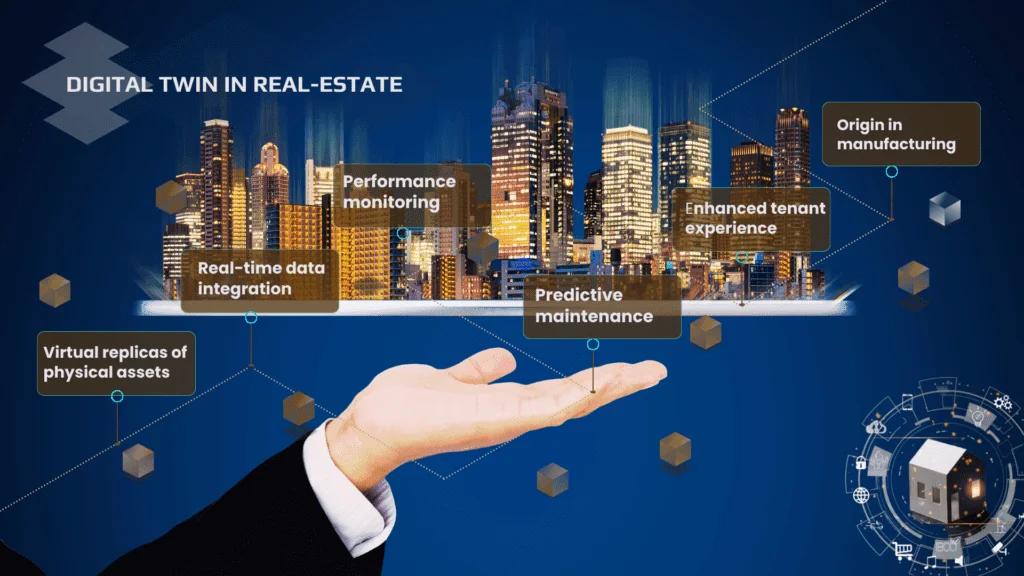
Digital twins, or virtual replicas of physical structures, will become mainstream by 2025. Ivy Berezo of LUCAS PRODUCTS & SERVICES highlights that this technology will enhance accuracy and efficiency in property development, allowing real-time collaboration across geographical boundaries.


Enhanced Marketing with AR and AI

Augmented reality (AR) and AI will revolutionize property marketing by offering interactive experiences. Leonidas Sfyris of Need a Fixer notes that AR apps will allow buyers to visualize renovations, while AI chatbots will provide instant answers to inquiries.


Sustainable Real Estate Practices

Technology will drive sustainability in real estate, with AI and IoT enabling energy-efficient designs. Deborah Kelly of Brickhunter explains that integrated systems will optimize resource consumption, appealing to eco-conscious buyers.


Remote Work Influencing Location Choices

The rise of remote work will shift property preferences, with demand for homes offering dedicated workspaces and internet capabilities. Gemma Hughes of iGrafx suggests that developers should cater to these trends by incorporating flexible workspaces into residential complexes.


Frictionless Transactions Through Digital Platforms

Digital platforms will streamline real estate transactions, from virtual tours to e-signing documents. Dean Lee of Sealions predicts that blockchain and AI will enhance transaction efficiency, setting a new standard for smart real estate practices.


As we look to the future, these technological advancements will drive significant changes in the real estate market by 2025. Industry stakeholders must adapt to these innovations to remain competitive and meet the evolving demands of consumers.


More Articles

Getting licensed or staying ahead in your career can be a journey—but it doesn’t have to be overwhelming. Grab your favorite coffee or tea, take a moment to relax, and browse through our articles. Whether you’re just starting out or renewing your expertise, we’ve got tips, insights, and advice to keep you moving forward. Here’s to your success—one sip and one step at a time!

The Rise of Agentic AI: Lofty Launches a Revolutionary Operating System for Real Estate

Lofty has unveiled Lofty AOS, an autonomous AI operating system built to transform how real estate brokerages manage daily operations. Unlike traditional AI tools that wait for prompts, Lofty AOS uses coordinated AI agents to proactively run workflows—from lead management to social media posting—allowing agents to focus on revenue‑producing activities. Designed for control, compliance and seamless integration, this new system signals a major shift in how real estate professionals scale productivity in an increasingly tech‑driven market.

Financial Advisors Are Now the First Stop for Estate Planning — Here’s What the New Data Reveals

A national survey shows a major shift in how Americans approach estate planning, with 41% now turning to financial advisors before attorneys. Consumers increasingly expect advisors to guide not only wealth transfer, but also values, family communication, and preparing the next generation — creating a powerful opportunity for professionals across real estate, mortgage, insurance, and finance.

Investors Prepare for a Commercial Real Estate Rebound in 2026

A new CBRE survey shows a strong surge in investor optimism as the commercial real estate market begins to stabilize after two turbulent years. Nearly all investors expect to buy the same or more property in 2026, with over half planning to increase their capital allocations. Dallas remains the nation’s top investment market, multifamily leads all asset classes, and moderate‑risk value‑add strategies dominate as confidence and capital return to the sector.

Talking to Your Photos: How Chat AI Is Transforming Real Estate Listings

Conversational AI is changing the way real estate professionals create and market listing photos. Instead of waiting for perfect conditions or hiring photo editors, agents and property managers can now brighten rooms, remove clutter, change wall colors, or even virtually stage a space using simple text prompts. The technology helps listings hit the market faster, gives renters and buyers clearer first impressions, and supports more honest, transparent marketing through features like before‑and‑after sliders and edit labels. As AI becomes an essential skill in real estate and related industries, tools like these are redefining how professionals communicate a property’s true potential.

AI’s Growing Grip on Des Moines Finance: Opportunity, Disruption, and the Future of Professional Talent

Artificial intelligence is transforming Des Moines’ finance and insurance sectors—home to giants like Wells Fargo, Principal, Nationwide, and Athene. With AI taking over routine quantitative work, the metro faces both economic disruption and new possibilities. While entry‑level roles may shrink, experts say human talent will shift toward strategy, client guidance, and innovation. The ripple effects extend far beyond office walls, raising questions about community vitality, future leadership pipelines, and how today’s professionals can stay competitive through upskilling and ongoing education.

Property Management Market Set to Surge to $33.93 Billion by 2030 as AI and Smart Tech Reshape the Industry

The property management sector is undergoing rapid transformation driven by AI, IoT building systems, automation, and digital platforms. A new report from The Business Research Company projects the market will hit $33.93 billion by 2030, highlighting major shifts such as remote oversight tools, predictive maintenance, and cloud‑based solutions. Industry giants like IBM, Yardi, AppFolio, and JLL are leading the charge, while consolidation moves—such as MCB Real Estate’s acquisition of Pinkard Properties—signal continued expansion. Vacation rental tech is also accelerating, with unified platforms like Streamline One redefining short‑term rental operations. This evolving landscape underscores the growing need for skilled, tech‑savvy real estate professionals.