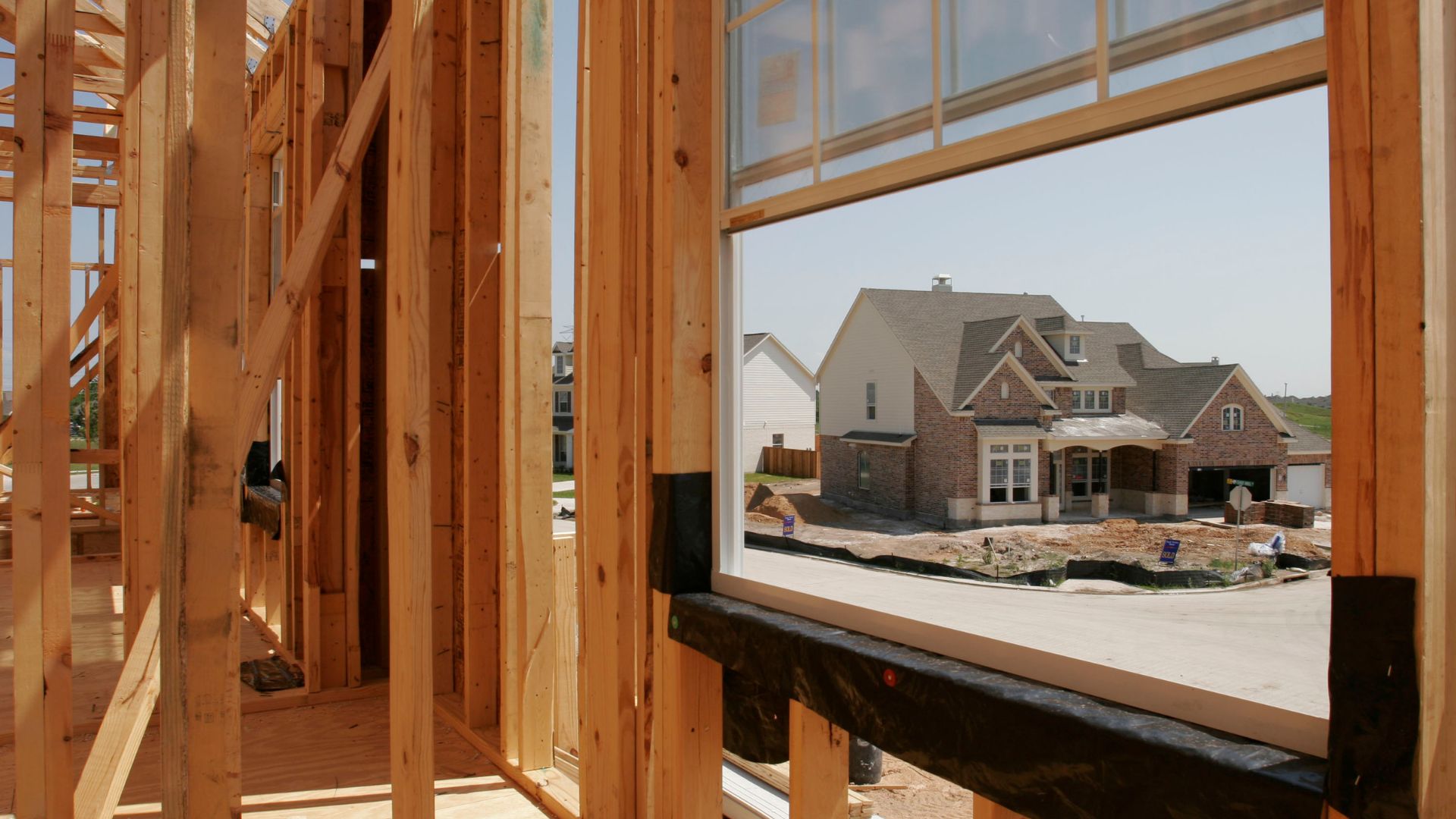
In a rapidly evolving world, technology is set to redefine the real estate landscape by 2025. As reported by AZ Big Media, several cutting-edge technologies are poised to revolutionize how properties are bought, sold, rented, and managed. From artificial intelligence (AI) and blockchain to virtual reality (VR) and data analytics, these innovations are reshaping the expectations of consumers and intensifying competition among real estate businesses.


Ai-driven property recommendations

AI-Driven Property Recommendations

AI is set to become the cornerstone of property searches, offering personalized recommendations based on user preferences such as budget, location, and lifestyle. John Beebe, CEO and Founder of Classic Car Deals, highlights that AI algorithms will employ predictive analytics to identify valuable assets and forecast market conditions, streamlining the property search process for buyers and renters.


Blockchain for Transparent Transactions

The integration of blockchain technology promises enhanced security and transparency in real estate transactions. Dr. Nick Oberheiden, Founder of Oberheiden P.C., notes that smart contracts will automate agreements, eliminating intermediaries and reducing transaction costs. Blockchain will also facilitate fractional ownership, opening new investment opportunities.


Virtual reality for property tours

Virtual Reality for Property Tours

Virtual reality is transforming property marketing by allowing potential buyers to tour homes remotely. Gerrid Smith, Founder & CEO of Fortress Growth, emphasizes that VR technology will offer hyper-realistic experiences, enabling international shoppers to explore properties without traveling.


Big Data for Market Insights

Big data platforms will provide valuable market insights, helping stakeholders make informed decisions. Sam Hodgson of ISA.co.uk explains that predictive analytics will highlight market trends and property appreciation rates, benefiting buyers and sellers alike.


IoT-Enabled Smart Homes

The Internet of Things (IoT) will integrate advanced solutions into homes, from energy-efficient systems to community-level innovations. Alex L. of StudyX anticipates that these developments will appeal to environmentally conscious consumers seeking sustainable living options.


Digital twins for property development

Digital Twins for Property Development

Digital twins, or virtual replicas of physical structures, will become mainstream by 2025. Ivy Berezo of LUCAS PRODUCTS & SERVICES highlights that this technology will enhance accuracy and efficiency in property development, allowing real-time collaboration across geographical boundaries.


Enhanced Marketing with AR and AI

Augmented reality (AR) and AI will revolutionize property marketing by offering interactive experiences. Leonidas Sfyris of Need a Fixer notes that AR apps will allow buyers to visualize renovations, while AI chatbots will provide instant answers to inquiries.


Sustainable Real Estate Practices

Technology will drive sustainability in real estate, with AI and IoT enabling energy-efficient designs. Deborah Kelly of Brickhunter explains that integrated systems will optimize resource consumption, appealing to eco-conscious buyers.


Remote Work Influencing Location Choices

The rise of remote work will shift property preferences, with demand for homes offering dedicated workspaces and internet capabilities. Gemma Hughes of iGrafx suggests that developers should cater to these trends by incorporating flexible workspaces into residential complexes.


Frictionless Transactions Through Digital Platforms

Digital platforms will streamline real estate transactions, from virtual tours to e-signing documents. Dean Lee of Sealions predicts that blockchain and AI will enhance transaction efficiency, setting a new standard for smart real estate practices.


As we look to the future, these technological advancements will drive significant changes in the real estate market by 2025. Industry stakeholders must adapt to these innovations to remain competitive and meet the evolving demands of consumers.

More Articles

Getting licensed or staying ahead in your career can be a journey—but it doesn’t have to be overwhelming. Grab your favorite coffee or tea, take a moment to relax, and browse through our articles. Whether you’re just starting out or renewing your expertise, we’ve got tips, insights, and advice to keep you moving forward. Here’s to your success—one sip and one step at a time!

Mortgage Rates Drop for the Holidays, but Homebuyers Aren’t Budging

The average 30-year mortgage rate slipped to 6.18% just before Christmas, offering a small break from last year’s higher levels. Yet despite the improvement, mortgage applications for purchases and refinances have fallen to a three‑month low as buyers remain cautious. With mixed rate movements, fluctuating Treasury yields, and affordability challenges still weighing on first‑time buyers, the market is showing signs of stability but not momentum. Real estate professionals who stay informed on these shifting conditions will be best positioned to guide clients in 2026.

Premium U.S. CRE Soars as Smaller Markets Slide: A New Two‑Tier Reality Takes Hold

New CoStar data shows a widening split in the U.S. commercial real estate market, with high-value office towers, industrial hubs and major retail assets posting steady gains while smaller properties in secondary markets continue to lose ground. Premium assets logged their sixth straight monthly price increase in November, boosted by falling interest rates and limited new construction, while lower‑tier properties saw continued price declines and weakening demand.

Microsoft’s New Licensing Overhaul Hits Healthcare Budgets: What Leaders Must Prepare For Now

Microsoft has eliminated long‑standing volume discounts on cloud services like Microsoft 365, Power BI, Intune and Defender, meaning healthcare organizations will soon pay the same price per seat whether they purchase 100 or 10,000 licenses. With the change taking effect at renewal, hospitals and health systems must begin auditing unused licenses, right‑sizing staff tiers, and re‑evaluating digital workflows to avoid major cost spikes. CDW is stepping in with advisory support, cost‑optimization tools, and flexible CSP options to help organizations navigate the transition before budgets tighten further.

Where America Is Building the Most Homes in 2026 — And Why It Matters to Your Career

America is still short nearly 2.8 million homes, and in 2026 the states driving the bulk of new construction are once again Florida and Texas. With the South producing more than half of all new building permits nationwide, these regions are shaping the future of inventory, affordability, and opportunity. For real estate, mortgage, insurance, and finance professionals, the surge in Southern homebuilding—especially in Florida—signals expanding career potential as new inventory enters the market and demand for licensed experts continues to rise.

Irondequoit Tops the List as America’s Most Competitive Housing Market

A new Redfin report crowns Irondequoit, New York as the nation’s most competitive housing market, with homes selling in just 8.5 days and often above asking. Priced at a median of $249,132, the lakeside suburb is drawing buyers seeking affordability and speed. The surprising lineup of competing markets—from Bay Area tech hubs to Rust Belt metros—highlights a shifting post‑pandemic housing landscape where affordability pressures and regional disparities continue to shape buyer behavior.

Alaska Tightens TPA Licensing Rules Ahead of 2026: Key Changes Professionals Must Prepare For

Alaska has overhauled its Third Party Administrator licensing rules, eliminating major long‑standing exemptions and pulling many previously exempt organizations into full licensing requirements starting January 1, 2026. Under Senate Bill 132 and Bulletin B 25‑09, TPAs must now review their operations, prepare documentation, and monitor upcoming state guidance as Alaska moves toward stricter oversight and stronger consumer protection.