In a rapidly evolving world, technology is set to redefine the real estate landscape by 2025. As reported by AZ Big Media, several cutting-edge technologies are poised to revolutionize how properties are bought, sold, rented, and managed. From artificial intelligence (AI) and blockchain to virtual reality (VR) and data analytics, these innovations are reshaping the expectations of consumers and intensifying competition among real estate businesses.
AI-Driven Property Recommendations
AI is set to become the cornerstone of property searches, offering personalized recommendations based on user preferences such as budget, location, and lifestyle. John Beebe, CEO and Founder of Classic Car Deals, highlights that AI algorithms will employ predictive analytics to identify valuable assets and forecast market conditions, streamlining the property search process for buyers and renters.
Blockchain for Transparent Transactions
The integration of blockchain technology promises enhanced security and transparency in real estate transactions. Dr. Nick Oberheiden, Founder of Oberheiden P.C., notes that smart contracts will automate agreements, eliminating intermediaries and reducing transaction costs. Blockchain will also facilitate fractional ownership, opening new investment opportunities.
Virtual Reality for Property Tours
Virtual reality is transforming property marketing by allowing potential buyers to tour homes remotely. Gerrid Smith, Founder & CEO of Fortress Growth, emphasizes that VR technology will offer hyper-realistic experiences, enabling international shoppers to explore properties without traveling.
Big Data for Market Insights
Big data platforms will provide valuable market insights, helping stakeholders make informed decisions. Sam Hodgson of ISA.co.uk explains that predictive analytics will highlight market trends and property appreciation rates, benefiting buyers and sellers alike.
IoT-Enabled Smart Homes
The Internet of Things (IoT) will integrate advanced solutions into homes, from energy-efficient systems to community-level innovations. Alex L. of StudyX anticipates that these developments will appeal to environmentally conscious consumers seeking sustainable living options.
Digital Twins for Property Development
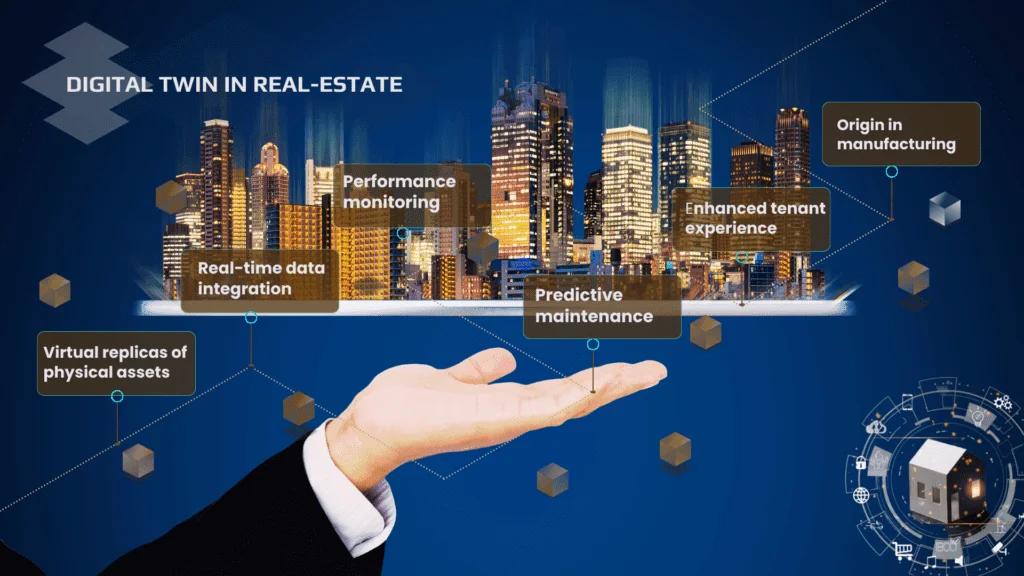
Digital twins, or virtual replicas of physical structures, will become mainstream by 2025. Ivy Berezo of LUCAS PRODUCTS & SERVICES highlights that this technology will enhance accuracy and efficiency in property development, allowing real-time collaboration across geographical boundaries.
Enhanced Marketing with AR and AI
Augmented reality (AR) and AI will revolutionize property marketing by offering interactive experiences. Leonidas Sfyris of Need a Fixer notes that AR apps will allow buyers to visualize renovations, while AI chatbots will provide instant answers to inquiries.
Sustainable Real Estate Practices
Technology will drive sustainability in real estate, with AI and IoT enabling energy-efficient designs. Deborah Kelly of Brickhunter explains that integrated systems will optimize resource consumption, appealing to eco-conscious buyers.
Remote Work Influencing Location Choices
The rise of remote work will shift property preferences, with demand for homes offering dedicated workspaces and internet capabilities. Gemma Hughes of iGrafx suggests that developers should cater to these trends by incorporating flexible workspaces into residential complexes.
Frictionless Transactions Through Digital Platforms
Digital platforms will streamline real estate transactions, from virtual tours to e-signing documents. Dean Lee of Sealions predicts that blockchain and AI will enhance transaction efficiency, setting a new standard for smart real estate practices.
As we look to the future, these technological advancements will drive significant changes in the real estate market by 2025. Industry stakeholders must adapt to these innovations to remain competitive and meet the evolving demands of consumers.
More Articles
Getting licensed or staying ahead in your career can be a journey—but it doesn’t have to be overwhelming. Grab your favorite coffee or tea, take a moment to relax, and browse through our articles. Whether you’re just starting out or renewing your expertise, we’ve got tips, insights, and advice to keep you moving forward. Here’s to your success—one sip and one step at a time!
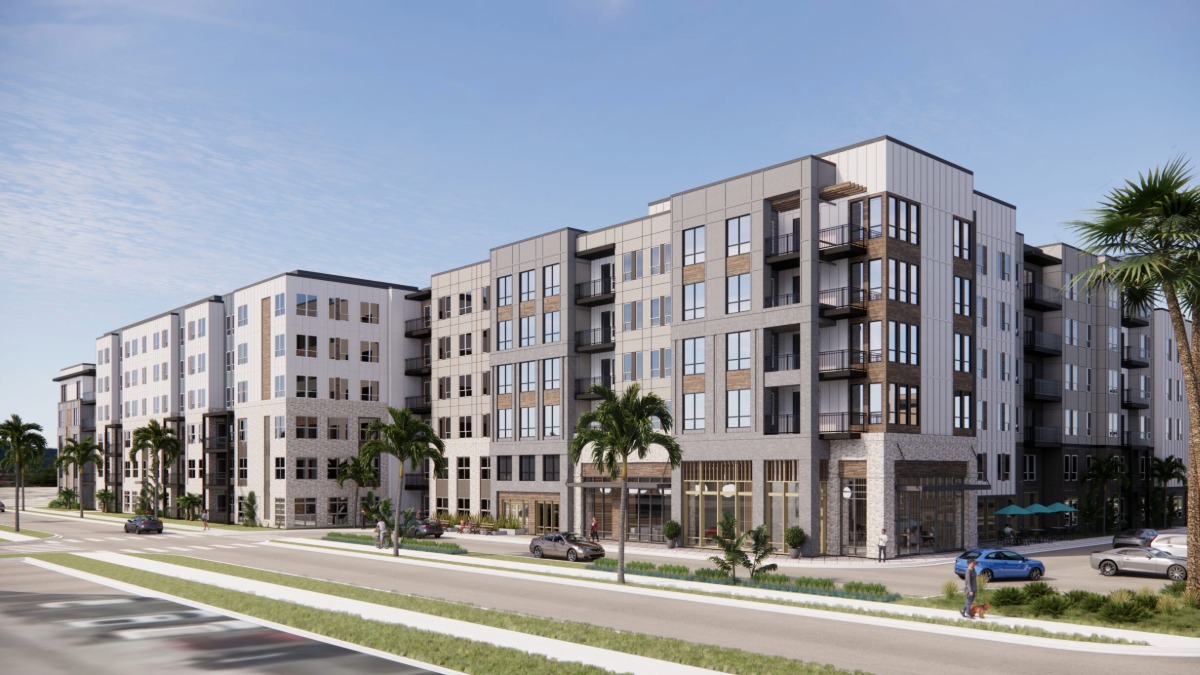
Landmark Properties has officially begun construction on The Mark Tampa, a six‑story luxury student community featuring over 800 beds, rooftop amenities, study spaces, retail, and modern unit layouts. Set to open before the 2027–2028 school year, the project signals strong investor confidence in North Tampa’s booming student housing market.
Florida’s property and auto insurance crisis is intensifying, setting the stage for a major political showdown ahead of the 2026 elections. Republicans argue recent reforms are finally stabilizing the market, while Democrats insist families are being crushed by soaring premiums and can’t wait for relief. With homeowners, condo associations, and insurers all feeling the pressure, lawmakers are preparing for one of the most consequential legislative battles in years.
Markets are betting heavily on a Federal Reserve rate cut in December, but that doesn’t guarantee lower mortgage rates. Even with an 85% chance of a cut priced in, mortgage rates move more with the 10‑year Treasury than the Fed itself — and recent history shows rates can rise even when the Fed eases. Today’s 6.43% average rate is the lowest in over a year, but still unpredictable, making financial readiness more important than trying to time the market.
Grand Junction is experiencing a powerful commercial real estate upswing, with 151 commercial units closed so far in 2025—a 36% jump from last year. Building permits are also up 23%, signaling expanding development momentum. Brokers say interest from national chains is accelerating the city’s evolution, bringing jobs, investment, and long‑term economic potential to Colorado’s Western Slope.
Nashville continues its rise as one of the nation’s most attractive real estate markets, landing the #6 spot in the Emerging Trends in Real Estate 2026 report from PwC and ULI. With strong demographic momentum, business expansion, and a development pipeline drawing national eyes, the city stands out amid shifting economic conditions. The report highlights fast‑growing sectors such as data centers, senior housing, and evolving office dynamics—offering real estate professionals valuable insight into where opportunities are emerging next.
Canada’s commercial real estate sector continues to evolve rapidly, with new data revealing major transactions, shifting investment patterns, and emerging economic signals across the country. From resilient retail spending to cooling construction and regional standouts like Montreal and the Prairies, this week’s CRE pulse—powered by Altus Group’s research team—gives real estate, mortgage, and finance professionals a sharp snapshot of the market forces to watch as 2025 winds down.