As the digital age continues to reshape the landscape of healthcare, telemedicine stands out as a transformative force. During the COVID-19 pandemic, its use surged, offering a lifeline to patients and providers alike. But as we step beyond the pandemic’s shadow, the future of telemedicine hangs in the balance.
Dr. Mehrotra, a key figure among policymakers and researchers, is at the forefront of ensuring that telemedicine remains a viable option in the healthcare arsenal. The challenge is to integrate this technology without escalating costs, diminishing the quality of care, or overshadowing the indispensable role of in-person consultations.
Adapting to Change
Telemedicine’s meteoric rise during the pandemic was facilitated by flexible rules from both government and private insurers. Although the urgency of the pandemic has waned, the demand for telemedicine persists. Advances in technology, shifting preferences among patients and doctors, and new legislative frameworks have all contributed to this ongoing demand.
However, the path forward is fraught with questions. What are the best practices for telemedicine? How should it be integrated into the broader U.S. healthcare system? These questions are critical as we consider the impending expiration of certain Medicare and Medicaid policies in December 2024.
Medicare Telehealth Services
For Medicare, the decision to extend, amend, or extinguish telemedicine access is a delicate balancing act between costs and benefits. Dr. Mehrotra’s research, published in Health Affairs, offers a comprehensive analysis of telemedicine’s impact on a national scale. His findings suggest that the temporary rules facilitating remote healthcare should become permanent, given the modest increase in spending and improved access to care.
Cost-Benefit Analysis for U.S. Health Systems
In 2021 and 2022, health systems with high telemedicine use saw a 2.2% increase in visits but a 2.7% decrease in non-COVID-19 emergency visits. While spending increased slightly, patients were more compliant with medication regimens for chronic conditions. These insights reinforce the value of telemedicine, a sentiment echoed in studies on mental health and pediatrics.
Protecting In-Person Practices, Preserving Access to Care
In his testimony before Congress, Dr. Mehrotra recommended lower payment rates for telehealth visits compared to in-person visits, to ensure the competitiveness of traditional practices. He also advocated for the removal of in-person visit requirements for mental health telemedicine appointments, recognizing the shift to virtual-only practices among many clinicians.
Telemedicine Care Across State Lines
One of the thorniest issues is the restriction on telemedicine across state lines. Current regulations often prevent patients from accessing care from their regular doctors when out of state. Dr. Mehrotra’s work highlights the need for federal laws to allow telemedicine across state borders, safeguarding the continuity of care.
New Ways of Practicing Medicine
The evolution of telemedicine is not just about video calls. It’s about reimagining how care is delivered, whether through secure messaging or remote monitoring technologies. As Dr. Mehrotra points out, the challenge lies in navigating these advances to enhance patient care while ensuring fair compensation for providers.
As we stand on the cusp of a new era in healthcare, the potential of telemedicine is immense. But to realize this potential, we must establish the right rules and frameworks. The stakes are high, but the promise of a more accessible, efficient healthcare system is within reach.
More Articles
Getting licensed or staying ahead in your career can be a journey—but it doesn’t have to be overwhelming. Grab your favorite coffee or tea, take a moment to relax, and browse through our articles. Whether you’re just starting out or renewing your expertise, we’ve got tips, insights, and advice to keep you moving forward. Here’s to your success—one sip and one step at a time!
In Florida, the earnings of a real estate agent can vary significantly based on numerous factors including experience, location, and the current state of the housing market. The potential earnings are quite broad, with average salaries ranging from $40,000 to $90,000 per year. However, top-performing agents in high-demand areas can earn well above this range, sometimes exceeding $100,000 annually.
Screening prospective tenants who utilize Section 8 vouchers in Florida requires a thorough understanding of both federal and local laws to ensure compliance and avoid potential legal issues.
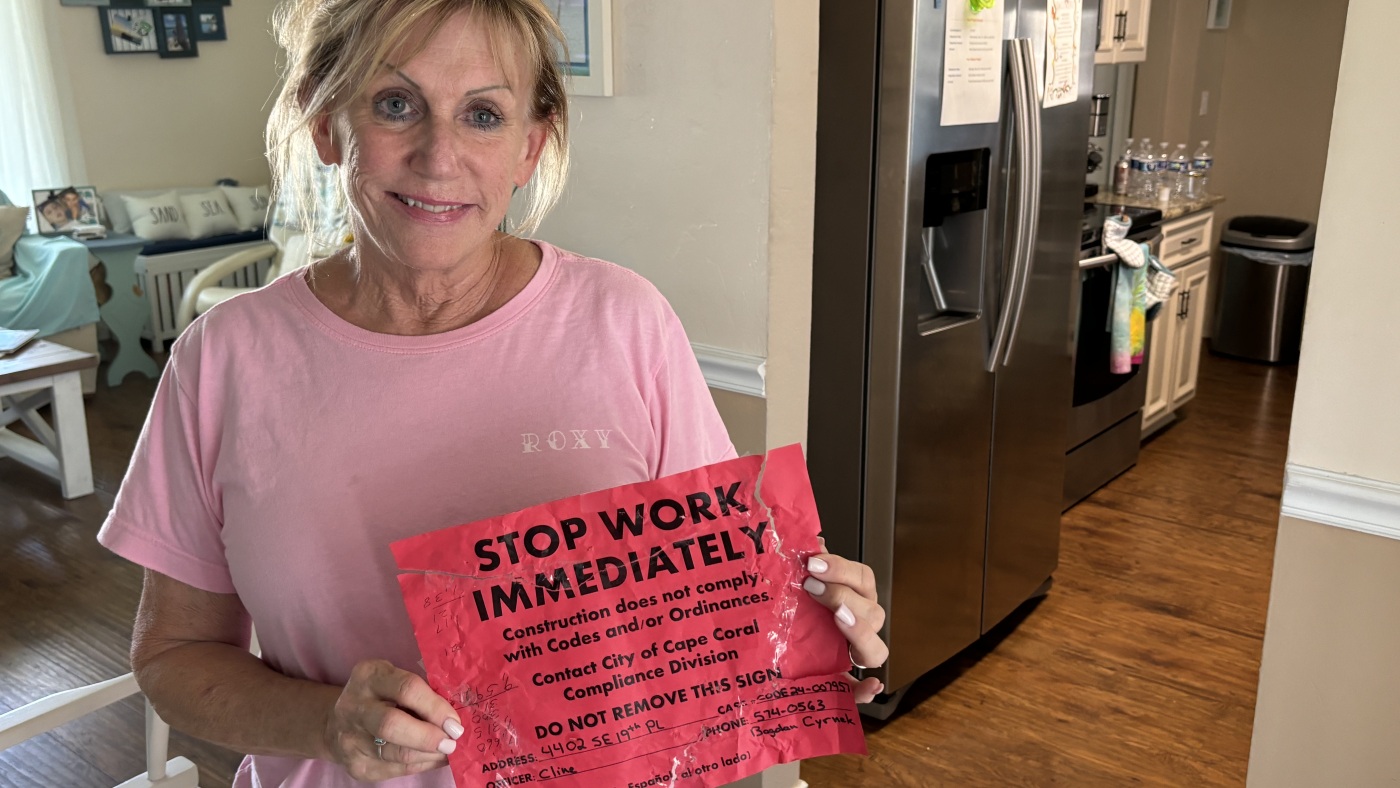
A study by First Street reveals Cape Coral has more properties at risk of flooding than any other city in Florida. Following Hurricane Ian, FEMA withdrew the city's flood insurance discount, blaming improper rebuilding practices.
Goldman Sachs Research has projected a notable increase in US home prices, forecasting a 4.5% rise this year and a 4.4% increase in 2025, as the Federal Reserve is expected to implement interest rate cuts.
In the realm of real estate, myths and misconceptions about Section 8 tenants often cloud the judgment of landlords. These stereotypes suggest that Section 8 tenants might damage property or fail to pay rent. However, these risks are inherent in renting to any tenant, not just those participating in the Section 8 program. The key to mitigating these risks lies in a robust and consistent screening process.

 As we stand on the cusp of a new era in healthcare, the potential of telemedicine is immense. But to realize this potential, we must establish the right rules and frameworks. The stakes are high, but the promise of a more accessible, efficient healthcare system is within reach.