As the digital age continues to reshape the landscape of healthcare, telemedicine stands out as a transformative force. During the COVID-19 pandemic, its use surged, offering a lifeline to patients and providers alike. But as we step beyond the pandemic’s shadow, the future of telemedicine hangs in the balance.
Dr. Mehrotra, a key figure among policymakers and researchers, is at the forefront of ensuring that telemedicine remains a viable option in the healthcare arsenal. The challenge is to integrate this technology without escalating costs, diminishing the quality of care, or overshadowing the indispensable role of in-person consultations.
Adapting to Change
Telemedicine’s meteoric rise during the pandemic was facilitated by flexible rules from both government and private insurers. Although the urgency of the pandemic has waned, the demand for telemedicine persists. Advances in technology, shifting preferences among patients and doctors, and new legislative frameworks have all contributed to this ongoing demand.
However, the path forward is fraught with questions. What are the best practices for telemedicine? How should it be integrated into the broader U.S. healthcare system? These questions are critical as we consider the impending expiration of certain Medicare and Medicaid policies in December 2024.
Medicare Telehealth Services
For Medicare, the decision to extend, amend, or extinguish telemedicine access is a delicate balancing act between costs and benefits. Dr. Mehrotra’s research, published in Health Affairs, offers a comprehensive analysis of telemedicine’s impact on a national scale. His findings suggest that the temporary rules facilitating remote healthcare should become permanent, given the modest increase in spending and improved access to care.
Cost-Benefit Analysis for U.S. Health Systems
In 2021 and 2022, health systems with high telemedicine use saw a 2.2% increase in visits but a 2.7% decrease in non-COVID-19 emergency visits. While spending increased slightly, patients were more compliant with medication regimens for chronic conditions. These insights reinforce the value of telemedicine, a sentiment echoed in studies on mental health and pediatrics.
Protecting In-Person Practices, Preserving Access to Care
In his testimony before Congress, Dr. Mehrotra recommended lower payment rates for telehealth visits compared to in-person visits, to ensure the competitiveness of traditional practices. He also advocated for the removal of in-person visit requirements for mental health telemedicine appointments, recognizing the shift to virtual-only practices among many clinicians.
Telemedicine Care Across State Lines
One of the thorniest issues is the restriction on telemedicine across state lines. Current regulations often prevent patients from accessing care from their regular doctors when out of state. Dr. Mehrotra’s work highlights the need for federal laws to allow telemedicine across state borders, safeguarding the continuity of care.
New Ways of Practicing Medicine
The evolution of telemedicine is not just about video calls. It’s about reimagining how care is delivered, whether through secure messaging or remote monitoring technologies. As Dr. Mehrotra points out, the challenge lies in navigating these advances to enhance patient care while ensuring fair compensation for providers.
As we stand on the cusp of a new era in healthcare, the potential of telemedicine is immense. But to realize this potential, we must establish the right rules and frameworks. The stakes are high, but the promise of a more accessible, efficient healthcare system is within reach.
More Articles
Getting licensed or staying ahead in your career can be a journey—but it doesn’t have to be overwhelming. Grab your favorite coffee or tea, take a moment to relax, and browse through our articles. Whether you’re just starting out or renewing your expertise, we’ve got tips, insights, and advice to keep you moving forward. Here’s to your success—one sip and one step at a time!
Just 48 hours after NAR unveiled major revisions to its MLS policies, plaintiffs in the Michigan-based Hardy lawsuit moved to use those changes as evidence, arguing they prove NAR’s prior rules were anticompetitive. NAR denies any wrongdoing, but the case is quickly becoming a key test for whether MLS access should require Realtor membership — a question now echoing across multiple states and potentially reshaping how real estate professionals nationwide access the industry’s most essential tool.
Florida homeowners are now paying some of the highest insurance premiums in the country, with average costs topping $5,800 per year—nearly double the national average. Residents report skyrocketing rates, denied claims, and tough choices between costly coverage and financial risk. As frustration grows, lawmakers and consumer advocates are pushing new reforms aimed at increasing transparency, capping rate hikes, and protecting policyholders in one of the nation’s most volatile insurance markets.
Economic uncertainty, rapid AI adoption, tighter capital flows, and rising portfolio risk are reshaping the 2026 commercial real estate landscape. From shifting workforce patterns to a national housing attainability crisis, the industry is entering a data‑driven, fundamentals‑focused era—making adaptability, education, and tech literacy essential for real estate professionals.
Mortgage rates have climbed to 6.23 percent as investors grow doubtful that the Federal Reserve will deliver a rate cut in December. A soft but unclear jobs report and persistent inflation have pushed borrowing costs higher, reversing October’s brief relief in the housing market. Real estate and mortgage professionals should prepare clients for continued volatility as the Fed’s December meeting approaches.
After years of tight inventory, high mortgage rates, and sluggish sales, economists say 2026 is shaping up to be the turnaround real estate professionals have been waiting for. NAR projects a 14 percent jump in home sales, mortgage rates easing toward 6 percent, and buyer demand finally gaining momentum. While higher‑end homes are moving quickly, first‑time buyers continue to face affordability challenges, and price reductions are reappearing as sellers adjust to shifting conditions. For Florida agents, brokers, and newcomers, the stage is being set for a busy and opportunity‑rich year.
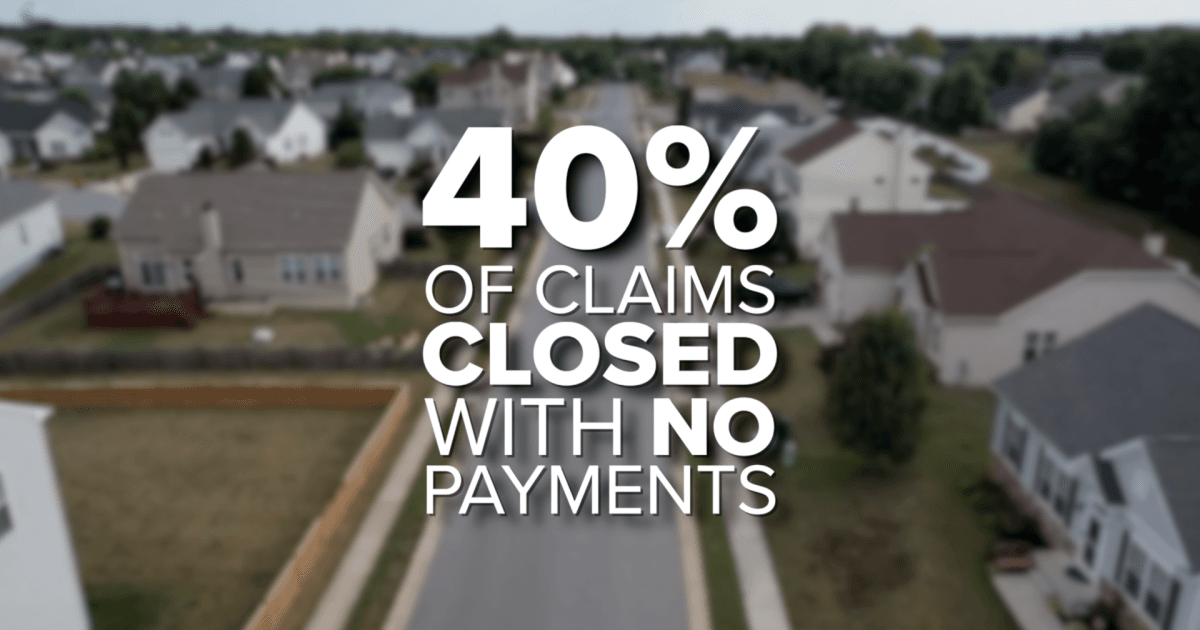
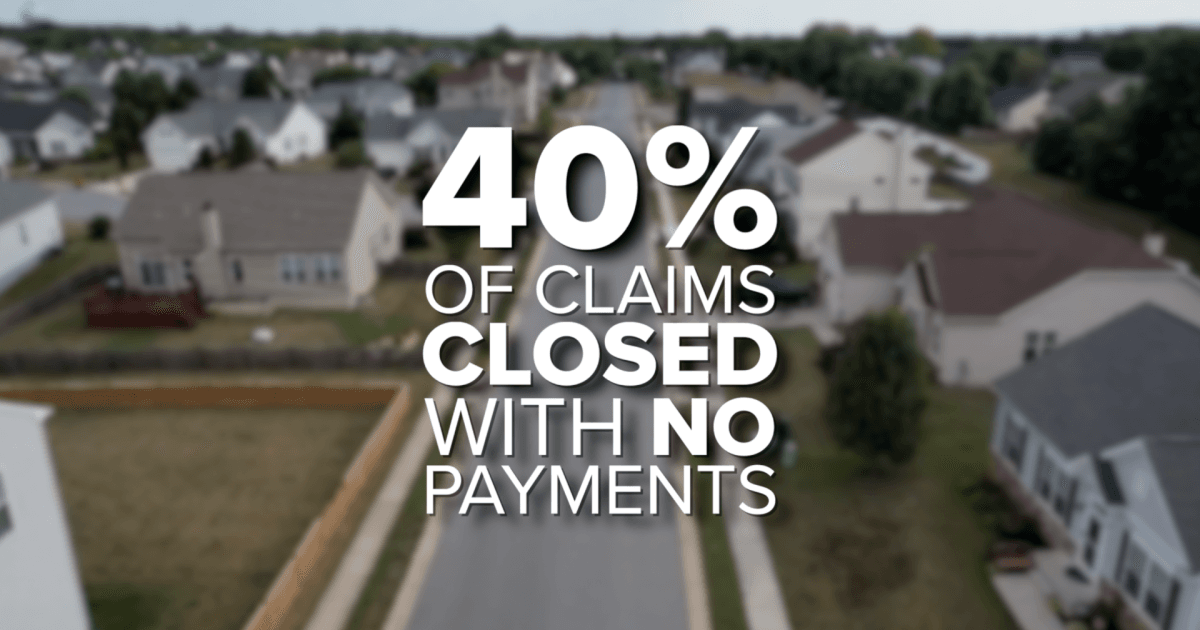
Florida’s average homeowner insurance premium has soared to $5,838 a year—almost $3,000 above the national average—pushing many residents to the financial brink. From tripled premiums to lowball claim payouts, homeowners are speaking out as frustration mounts. Some are even dropping coverage entirely. With more than 40% of claims closed without payment and policy cancellations at record levels, lawmakers are pushing for reforms, but political hurdles remain. The outcome could reshape Florida real estate, insurance, and mortgage markets for years to come.

 As we stand on the cusp of a new era in healthcare, the potential of telemedicine is immense. But to realize this potential, we must establish the right rules and frameworks. The stakes are high, but the promise of a more accessible, efficient healthcare system is within reach.