The global virtual reality (VR) market is poised for a significant leap, with projections indicating a growth of USD 133.17 billion from 2025 to 2029, as reported by Technavio. This remarkable expansion is driven by rapid advancements in VR technologies and the integration of artificial intelligence (AI) and machine learning (ML).


Despite the promising growth, the market faces challenges, primarily due to the high cost of VR hardware. These costs present a barrier to both consumer and enterprise adoption, potentially stalling market expansion. Premium VR headsets, such as the Meta Quest 2 and HTC Vive, are priced between USD 399 and USD 599, making them a substantial investment for many.


Key players in the market include industry giants such as 3D Systems Corp., Acer Inc., Advanced Micro Devices Inc., and Alphabet Inc., among others. The adoption of VR is particularly notable in sectors like healthcare, gaming, and education, where these technologies are revolutionizing practices and enhancing experiences.


Key Market Trends

The VR market is experiencing a surge, especially in architecture and planning, with VR technology being utilized for designing and visualizing projects. The commercial sector is also embracing VR for instructional training in fields such as aviation and defense. Moreover, the pandemic has accelerated the adoption of VR for remote work and social interaction.


Future trends include the integration of AI applications, the rise of the Metaverse, and advancements in VR content creation. Companies like PlayStation and Xbox are leading the charge in VR gaming, while augmented reality (AR) complements VR by providing a more immersive experience.


Market Challenges

While the VR market is expanding, the high cost of hardware remains a significant hurdle. This financial barrier limits widespread adoption across various industries. The creation of engaging and realistic VR experiences also requires advanced programming skills, posing challenges in software development.


For more insights, the original report by Technavio provides a comprehensive analysis of the market dynamics and future opportunities. Interested readers can access the sample report for detailed information.


Technavio's latest market research report on global vr market 2025-2029

More Articles

Getting licensed or staying ahead in your career can be a journey—but it doesn’t have to be overwhelming. Grab your favorite coffee or tea, take a moment to relax, and browse through our articles. Whether you’re just starting out or renewing your expertise, we’ve got tips, insights, and advice to keep you moving forward. Here’s to your success—one sip and one step at a time!

Artificial Intelligence in Diagnostics: A Revolution in Healthcare

The global market for artificial intelligence in diagnostics is poised for remarkable growth, with projections estimating it to reach USD 7.3 billion by 2032.

By |December 10, 2024|Categories: Article, Artificial Intelligence, Healthcare|Tags: , |0 Comments

Revolutionizing Medical Education with Extended Reality

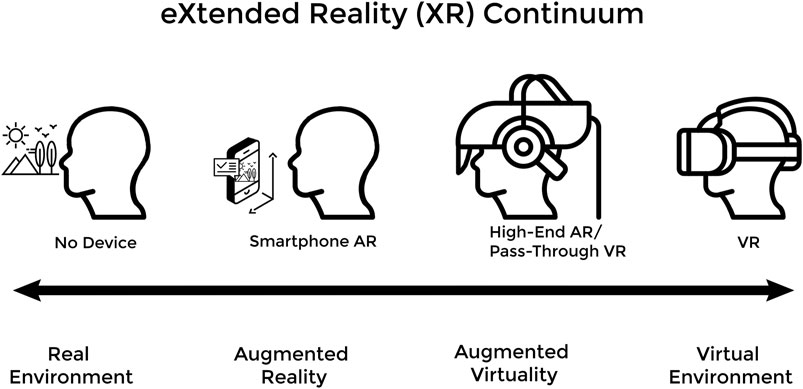
In the ever-evolving landscape of medical education, a new player has emerged, promising to revolutionize the way future doctors are trained. The integration of eXtended Reality (XR) technologies is reshaping the educational landscape by addressing the limitations of traditional methods.

Genetic Testing: A New Dawn in Healthcare

Genetic testing represents more than just a scientific advancement; it signifies a fundamental shift in how we approach health and wellness.

Sustainable Architecture: Blending Innovation with Ecological Responsibility

The journey toward sustainable architecture is ongoing, with each project serving as a beacon of what's achievable when creativity meets ecological awareness.

By |December 9, 2024|Categories: Architecture, Article, Sustainability|Tags: |0 Comments

AI in Clinical and Molecular Diagnostics: A Market on the Rise

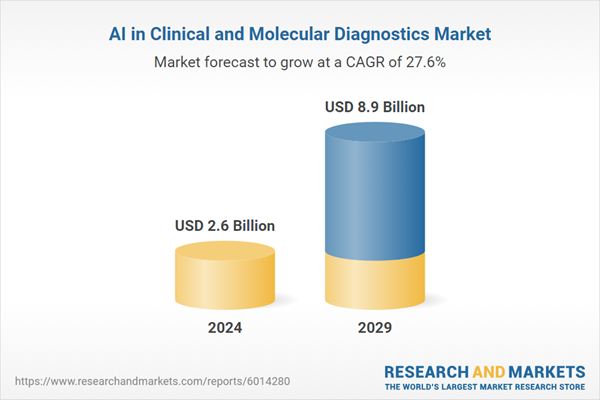
AI in Clinical and Molecular Diagnostics Market is set to experience remarkable growth, projected to surge from USD 2.6 billion in 2024 to USD 8.9 billion by 2029. This growth is driven by the integration of advanced AI technologies such as machine learning and deep learning into traditional diagnostic methodologies like imaging, genomics, and laboratory testing.

AI: A Revolution in Healthcare’s Future

AI is not a distant dream but a present reality, already integrated into everyday life through virtual assistants like Alexa and Siri. AI shows promise in enhancing medical accuracy, such as in predicting mesothelioma survival and improving colonoscopy accuracy, it is not intended to replace healthcare professionals.