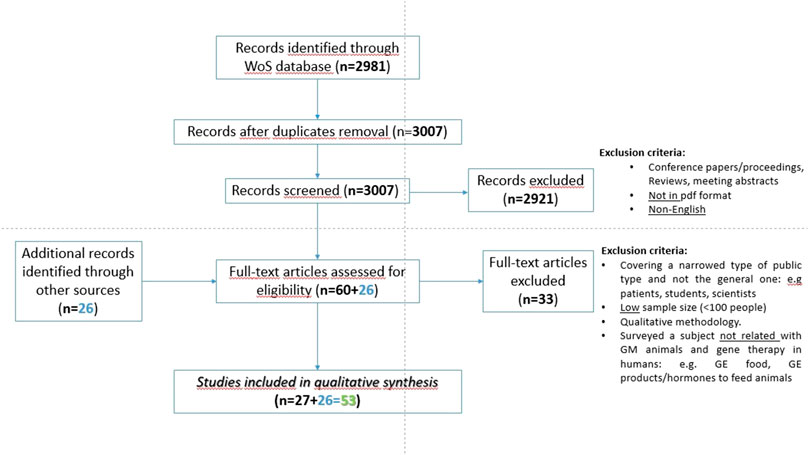
It was a monumental shift in the world of genetics when CRISPR-Cas9 burst onto the scene in 2012, democratizing the ability to edit genomes with unprecedented precision and ease. This revolutionary technology, as detailed in a systematic review published by Frontiers, has not only transformed scientific research but has also sparked a profound societal and ethical debate.
The CRISPR Effect
CRISPR’s impact is far-reaching, influencing fields from biomedical research and clinical practice to food production. The ability to edit genes with such precision has opened doors to potential cures for genetic diseases, enhancements in agricultural yields, and even the controversial editing of human embryos.
However, this power comes with significant ethical concerns. As the review notes, the application of CRISPR to human embryos has reignited debates over genetic manipulation, reminiscent of past controversies surrounding genetic engineering.
Public Sentiment: A Mixed Bag
Over the past 35 years, surveys have painted a complex picture of public attitudes towards genetic modification. Generally, there is strong support for therapeutic gene editing in humans, particularly when it comes to treating or preventing diseases. Yet, opinions diverge sharply when it comes to germline modifications and genetic enhancements, often viewed with skepticism or outright opposition.
The review highlights that while many embrace the potential health benefits, the notion of “designer babies” raises red flags for both ethical and safety reasons. This echoes the sentiments expressed by scholars like Camporesi and Cavaliere, who have explored the ethical dimensions of CRISPR in their work (Camporesi and Cavaliere, 2016).
Responsible Innovation
The key takeaway from the review is the critical need for responsible research and innovation (RRI). Aligning technological advancements with societal values is paramount. As CRISPR technology continues to evolve, ensuring that it is used ethically and responsibly will require ongoing dialogue between scientists, policymakers, and the public.
Looking Ahead
The path forward for CRISPR and genetic engineering is one of both promise and caution. As noted by Nordberg et al., the regulatory landscape will need to adapt to keep pace with these rapid advancements (Nordberg et al., 2018).
In conclusion, while CRISPR offers a glimpse into a future where genetic diseases could be eradicated, it also challenges us to consider the ethical implications of such power. The conversation is far from over, and as society grapples with these issues, the voices of both advocates and critics will be crucial in shaping the future of genetic engineering.
More Articles
Getting licensed or staying ahead in your career can be a journey—but it doesn’t have to be overwhelming. Grab your favorite coffee or tea, take a moment to relax, and browse through our articles. Whether you’re just starting out or renewing your expertise, we’ve got tips, insights, and advice to keep you moving forward. Here’s to your success—one sip and one step at a time!
Artificial intelligence is speeding ahead, but real estate is discovering a hard truth: AI can’t work well on messy, inconsistent, and siloed data. Unlike finance or e‑commerce, the industry has never agreed on shared definitions or standardized frameworks, making it difficult for AI tools to interpret information at scale. Now, leaders across real estate are realizing that the real breakthrough won’t come from smarter algorithms—it will come from finally unifying the industry’s fragmented data so AI can deliver its full value.
Manhattan’s iconic Waldorf Astoria is hitting the market again—and its billion‑dollar price tag may reveal whether commercial real estate is finally recovering. After years of inflation, shutdowns, and stalled investment, new forecasts from major firms show growing optimism, making this sale a critical test for the 2026 market.
Homeowners across Florida are facing sharp increases in their escrow payments as insurance premiums continue to rise. With insurers leaving the state, rates climbing, and replacement policies costing far more, many residents are experiencing sudden spikes in their monthly mortgage bills. These escalating insurance-driven escrow costs are reshaping affordability, influencing buyer qualifications, and redefining financial stability for Floridians and the broader real estate market.
The modern MLS marketplace is one of real estate’s greatest success stories: transparent, efficient, and designed to help buyers and sellers win. But its very effectiveness has sparked a new risk — professionals looking to “stand out” by limiting exposure and restricting information. Research shows that full MLS visibility can boost a seller’s price by $50,000 to $75,000, yet off‑market tactics threaten to chip away at the system that delivers those gains. The MLS doesn’t need replacing; it needs thoughtful upgrades and well‑trained professionals who know how to protect and leverage its power.
Florida homeowners are being hit with a new kind of sticker shock as rising insurance premiums push escrow payments sharply higher, adding hundreds of dollars to monthly mortgage bills. The surge is reshaping budgets, impacting buyer qualification, and redefining affordability across the state. With insurers pulling back and premiums climbing faster than wages, both current owners and hopeful buyers must now navigate a market where insurance risk—not just home price—plays a major role in the true cost of living in the Sunshine State.
Florida’s mobile and manufactured homes are surging in popularity, but insuring them requires specialized HO-7 coverage designed for structures built off-site and more vulnerable to wind and weather. With rising premiums, unique risks, and new 2026 market shifts, homeowners and industry professionals need to understand what these policies cover, what they don’t, which insurers are leading the pack, and how to save without sacrificing protection.