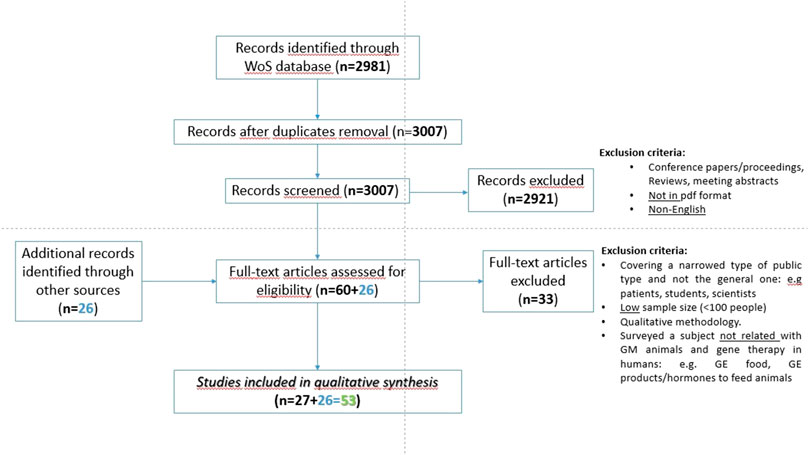
It was a monumental shift in the world of genetics when CRISPR-Cas9 burst onto the scene in 2012, democratizing the ability to edit genomes with unprecedented precision and ease. This revolutionary technology, as detailed in a systematic review published by Frontiers, has not only transformed scientific research but has also sparked a profound societal and ethical debate.
The CRISPR Effect
CRISPR’s impact is far-reaching, influencing fields from biomedical research and clinical practice to food production. The ability to edit genes with such precision has opened doors to potential cures for genetic diseases, enhancements in agricultural yields, and even the controversial editing of human embryos.
However, this power comes with significant ethical concerns. As the review notes, the application of CRISPR to human embryos has reignited debates over genetic manipulation, reminiscent of past controversies surrounding genetic engineering.
Public Sentiment: A Mixed Bag
Over the past 35 years, surveys have painted a complex picture of public attitudes towards genetic modification. Generally, there is strong support for therapeutic gene editing in humans, particularly when it comes to treating or preventing diseases. Yet, opinions diverge sharply when it comes to germline modifications and genetic enhancements, often viewed with skepticism or outright opposition.
The review highlights that while many embrace the potential health benefits, the notion of “designer babies” raises red flags for both ethical and safety reasons. This echoes the sentiments expressed by scholars like Camporesi and Cavaliere, who have explored the ethical dimensions of CRISPR in their work (Camporesi and Cavaliere, 2016).
Responsible Innovation
The key takeaway from the review is the critical need for responsible research and innovation (RRI). Aligning technological advancements with societal values is paramount. As CRISPR technology continues to evolve, ensuring that it is used ethically and responsibly will require ongoing dialogue between scientists, policymakers, and the public.
Looking Ahead
The path forward for CRISPR and genetic engineering is one of both promise and caution. As noted by Nordberg et al., the regulatory landscape will need to adapt to keep pace with these rapid advancements (Nordberg et al., 2018).
In conclusion, while CRISPR offers a glimpse into a future where genetic diseases could be eradicated, it also challenges us to consider the ethical implications of such power. The conversation is far from over, and as society grapples with these issues, the voices of both advocates and critics will be crucial in shaping the future of genetic engineering.
More Articles
Getting licensed or staying ahead in your career can be a journey—but it doesn’t have to be overwhelming. Grab your favorite coffee or tea, take a moment to relax, and browse through our articles. Whether you’re just starting out or renewing your expertise, we’ve got tips, insights, and advice to keep you moving forward. Here’s to your success—one sip and one step at a time!
In a world where technology is rapidly reshaping every facet of our lives, the healthcare sector is no exception. The recent review published in Cureus delves into the transformative role of telemedicine and telehealth, particularly in public healthcare. This narrative review highlights the integration of telehealth and telemedicine, their historical milestones, and how the COVID-19 pandemic accelerated their adoption.
The construction industry is poised for dramatic shifts. Those who embrace these changes will lead the way in shaping a smarter, more sustainable built environment.
As the clock ticks toward a December 31 deadline, a major House subcommittee is considering 15 bills aimed at expanding access to telehealth services. This legislative push is crucial as pandemic-era flexibilities face expiration, potentially affecting countless patients who have come to rely on virtual care.
The AI in telemedicine market is set to experience a remarkable surge, growing from USD 19.4 billion in 2024 to an anticipated USD 156.7 billion by 2033. This represents a compound annual growth rate (CAGR) of 26.1%, driven by advancements in remote diagnostics, personalized treatments, and the integration of artificial intelligence across telemedicine platforms globally.
The Global X Infrastructure Development Ex-U.S. ETF, known as IPAV, emerges as a promising investment vehicle for those looking to capitalize on the burgeoning international infrastructure sector. Listed on August 28, 2024, on the CBOE BZX, it captures the growth potential of companies outside the United States benefiting from infrastructure advancements.