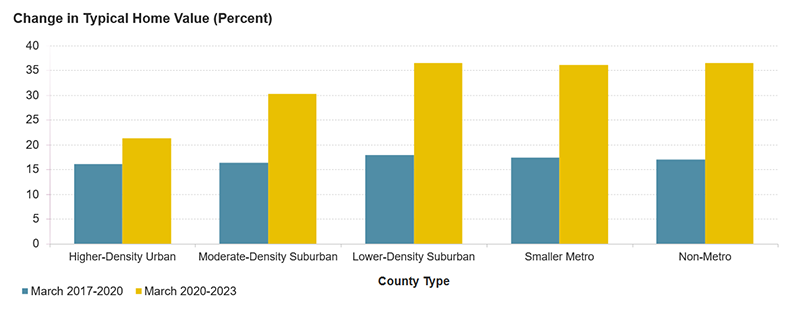
 The disparity in growth is further highlighted by the fact that typical home values in 31 percent of non-metro counties surged by at least 40 percent following the pandemic. By comparison, only 18 percent of urban counties experienced growth beyond this threshold. Such disproportionate growth has intensified affordability issues, particularly in non-metro regions where the average home-value-to-income ratio has escalated from 2.5 to 3.9, approaching levels previously seen in urban counties before the pandemic.
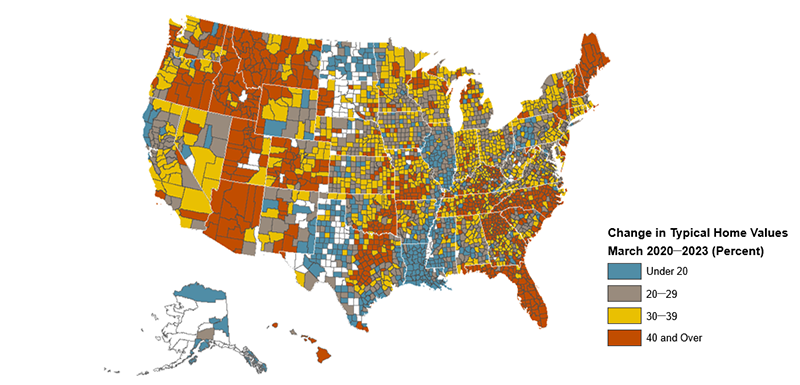 The rapid increase in home prices has significantly strained affordability in areas that were once considered more cost-effective. Rising interest rates have further compounded these affordability challenges, making homeownership an increasingly elusive goal for many. Whether these trends will persist depends on several factors, including ongoing remote work dynamics, regional affordability differences, and the capacity of housing supplies to meet new demand.

AI Assistants Reshaping Real Estate: Embrace the Future
In the rapidly evolving world of real estate, AI assistants are making waves, promising to enhance the efficiency of agents without replacing the invaluable human touch.

Getting licensed or staying ahead in your career can be a journey—but it doesn’t have to be overwhelming. Grab your favorite coffee or tea, take a moment to relax, and browse through our articles. Whether you’re just starting out or renewing your expertise, we’ve got tips, insights, and advice to keep you moving forward. Here’s to your success—one sip and one step at a time!
In the rapidly evolving world of real estate, AI assistants are making waves, promising to enhance the efficiency of agents without replacing the invaluable human touch.
In a transformative initiative, revolv Real Estate has launched the Orange Key Academy, an educational platform aimed at empowering the next generation of real estate professionals.
In the ever-evolving landscape of financial planning, 2025 presents an array of opportunities and challenges. With the dawn of a new U.S. administration, the potential for significant tax law changes looms large, prompting individuals to reassess their financial strategies.
In a groundbreaking move, the U.S. Copyright Office has released its third and final report in the "Copyright and Artificial Intelligence" series, offering nuanced guidance on fair use in the realm of generative AI (GenAI) training. This comprehensive analysis, dated May 16, 2025, sheds light on the intricate legal landscape surrounding the use of copyrighted materials in AI model training.
The CE Shop has emerged as the top contender in the realm of online real estate education. According to a recent Investopedia article, the CE Shop was distinguished as the best overall online real estate school for August 2025.
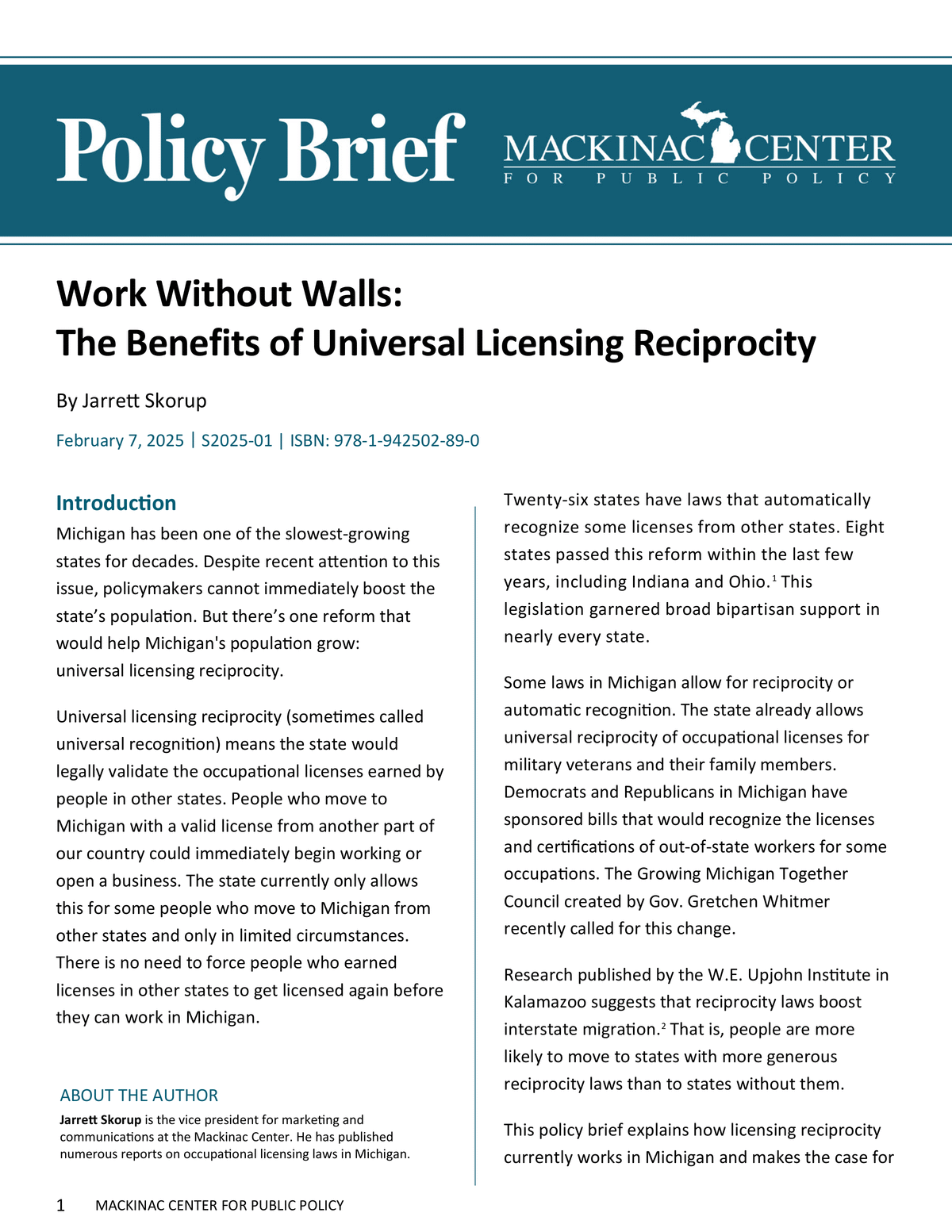
Michigan has grappled with slow population growth for decades, but introducing universal licensing reciprocity could catalyze change. By legally validating out-of-state occupational licenses, Michigan could attract a diverse array of skilled professionals, fostering economic expansion and addressing workforce shortages.