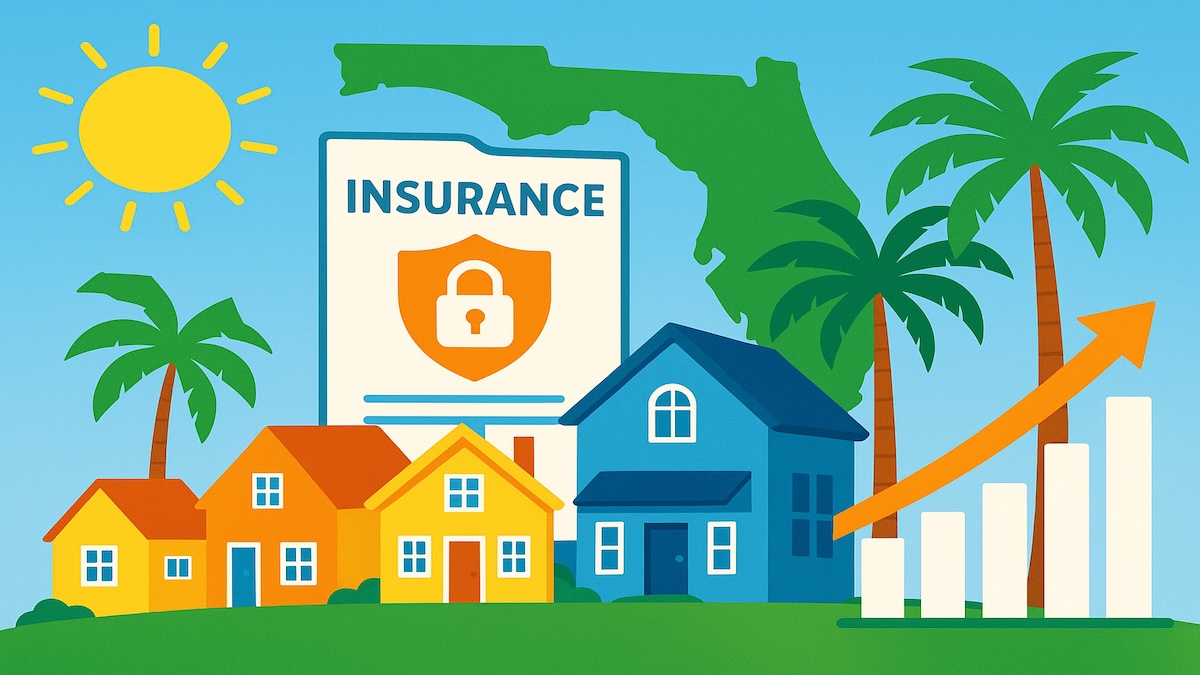
The Great Housing Reset: What Redfin Says Is Coming in 2026
The year ahead is shaping up to be a turning point in U.S. housing — not with fireworks or free‑falling prices, but with a slow, steady shift toward normalcy. According to Redfin’s 2026 Housing Market Predictions, we’re about to enter what they call The Great Housing Reset, a multi‑year period where home sales gradually rise, affordability begins to thaw, and the market finally starts feeling less like a pressure cooker and more like a slow simmer.
This isn’t a crash. It’s not even a quick correction. It’s a long‑awaited breath of fresh air for buyers, sellers, renters, and real estate professionals across the country. And for anyone building a career in real estate, mortgage, appraisal, or insurance — this emerging cycle could define the next decade of opportunity.
Prediction 1: Mortgage Rates Ease Into the Low‑6% Range
Mortgage rates will continue drifting downward — just not dramatically. Redfin expects the 30‑year fixed rate to average around 6.3%, supported by a softer labor market, incremental Fed cuts, and moderating inflation. Rates may dip below 6% here and there, but don’t expect them to stay there long enough to spark a frenzy.
Prediction 2: Wages Will Finally Outpace Home Prices
This is one of the biggest turning points: home prices are still rising, but only by around 1%. Meanwhile, wages are climbing faster. For the first time since right after the Great Recession, monthly housing payments should grow slower than household income — a quietly powerful shift.
But affordability remains challenging, especially for younger buyers and first‑time homeowners who are still battling steep entry‑level barriers.
Prediction 3: Home Sales Tick Up 3%
A combination of improved affordability and better mortgage rates should bring more buyers off the sidelines. Sales are expected to rise modestly to around 4.2 million existing‑home sales by the end of 2026.
Prediction 4: Rents Begin Rising Again
After several years of aggressive multifamily construction, supply is tightening. Redfin forecasts rents rising around 2–3% nationwide — aligned with inflation. South Florida and similar metros may see slower increases, but the upward trend remains.
Prediction 5: High Costs Reshape the American Household
More young adults will move in with parents. More parents will move in with their children. And more friend‑groups will co‑buy homes using structured, contract‑supported agreements. Builders are preparing for a surge in dual‑suite and multigeneration‑friendly home designs.
Prediction 6: Policy Will Get Bipartisan Attention
With housing ranking as a top voter concern, policymakers across party lines are expected to pursue affordability reforms. Expect zoning changes, ADU‑friendly rules, manufactured housing expansion, and possibly a federal declaration of a national housing emergency.
Prediction 7: Refi & Remodel Will Surge
Refinance activity is projected to rise over 30% as homeowners with higher rates seek savings. Meanwhile, many Americans are using their significant home equity — often over $180,000 — to remodel rather than relocate.
Prediction 8: NYC Suburbs & Great Lakes Will Heat Up
Regions like the outskirts of NYC, Syracuse, Cleveland, St. Louis, Minneapolis, and Madison are positioned for growth thanks to affordability, climate stability, and strong job markets.
Conversely, markets that exploded during the remote‑work boom — Austin, Nashville, coastal Florida — may experience cooling as insurance costs and office returns reshape demand.
Prediction 9: Climate Migration Goes Local
Rather than leaving entire states, many Americans will shift only slightly — moving within their metro areas to neighborhoods with fewer climate risks. This could widen inequality as lower‑income residents remain in vulnerable zones lacking resiliency investment.
Prediction 10: NAR Will Hand More Power to Local MLSs
Local MLS boards will adopt more control, accelerating consolidation into large regional systems. Expect improved data quality, clearer rules, and faster innovation — a win for agents across the nation.
Prediction 11: AI Becomes Real Estate’s New Matchmaker
Generative AI is on track to reshape how buyers search for homes. Instead of browsing by zip code, they’ll ask conversational, lifestyle‑driven questions — and AI will deliver tailored results. Agents will benefit too, gaining insights on when to contact buyers and which homes they’re likely to love.
If you’re a real estate professional — or preparing to become one — this evolving landscape is full of opportunity.
Cameron Academy offers flexible, modern licensing and CE programs built for today’s market.
Visit
CameronAcademy.com to stay ahead.
The Great Housing Reset won’t solve everything overnight. But for the first time in years, momentum is shifting — gradually, steadily, and toward stability. And for the professionals navigating it, 2026 may become a defining year.