
The Growing Role of Telehealth in Nursing: A New Frontier for Patient Care


As the world of healthcare continues to evolve, nurses are at the forefront, embracing telehealth technology to revolutionize patient care. With the increased demand on healthcare systems due to an aging population and ongoing nursing shortages, telehealth is becoming an indispensable tool for nurses, enhancing patient outcomes and expanding access to quality healthcare.


According to the Agency for Healthcare Research and Quality, the integration of telehealth services has accelerated since the onset of the COVID-19 pandemic. This trend is supported by data from the U.S. Department of Health and Human Services, which highlights the significant rise in telehealth usage during the pandemic.


Dr. Lisa bechok, dnp, rn, cne, a clinical faculty member for snhu nursing programs

Dr. Lisa Bechok, a clinical faculty member at Southern New Hampshire University, emphasizes the critical role nurses play in safeguarding public health. “From ensuring the most accurate diagnosis and treatment options to the ongoing education of the public about critical health issues, nurses are indispensable,” Bechok states.


Telehealth not only facilitates remote monitoring of patient health but also breaks down geographical barriers, allowing those in rural areas to access necessary healthcare services. This is particularly beneficial for managing chronic conditions, reducing hospitalizations, and lowering healthcare costs, as noted in an article from the National Library of Medicine.


What is Telehealth?


A graphic with a blue background and a white laptop icon

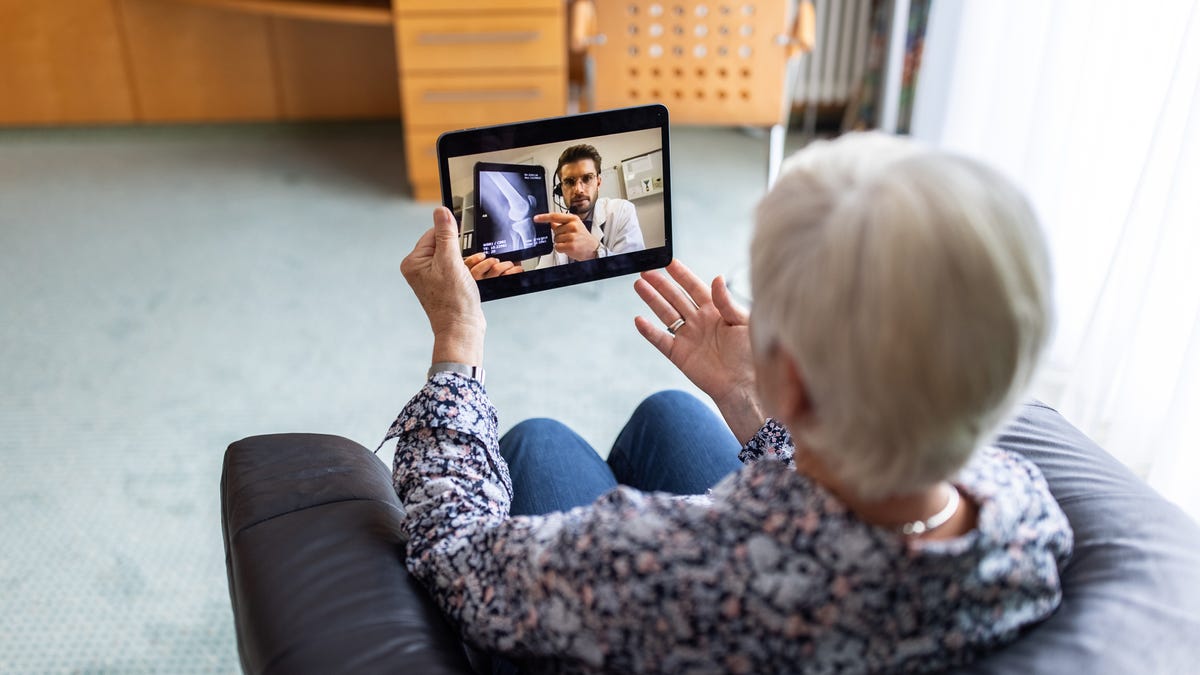
Defined by the National Institute of Biomedical Imaging and Bioengineering, telehealth uses communication technology to provide medical care at a distance. It replaces traditional face-to-face visits with video conferencing and phone calls, enabling patients to receive care from the comfort of their homes.


Telehealth’s role in nursing spans various areas, including acute and chronic care, hospice, palliative, and primary care. This expansion provides nurses with innovative tools to reach patients and improve healthcare access for all, as highlighted by Bechok.


The Four Ps of Telehealth Nursing


As telehealth continues to grow, the Four Ps of Telehealth framework aids in nursing education:


  • Planning: Identifying issues, technology, and patient needs.
  • Preparing: Setting up technology support and training personnel.
  • Providing: Conducting patient history and physical examination remotely.
  • Performance Evaluation: Assessing program impacts and outcomes.

Despite the numerous benefits, challenges such as broadband access and regulatory issues persist. However, the pandemic has propelled the integration of telehealth, with nurses continuing to adapt and innovate in their roles.


In conclusion, telehealth is reshaping the landscape of nursing, offering flexibility and improved access to care. As Dr. Bechok aptly puts it, “Nursing is the glue that holds a patient’s healthcare journey together,” whether through telehealth or face-to-face interactions.

More Articles

Getting licensed or staying ahead in your career can be a journey—but it doesn’t have to be overwhelming. Grab your favorite coffee or tea, take a moment to relax, and browse through our articles. Whether you’re just starting out or renewing your expertise, we’ve got tips, insights, and advice to keep you moving forward. Here’s to your success—one sip and one step at a time!

Revolutionizing Healthcare: Telemedicine Services in 2024

In 2024, telemedicine services have expanded not only in availability but also in the variety of offerings tailored to meet diverse patient needs and preferences.

By |December 31, 2024|Categories: Article, Healthcare, Telemedicine Services|Tags: , |0 Comments

Revolutionizing Neurology: The AI Frontier

In a groundbreaking exploration of artificial intelligence's (AI) transformative potential, a recent article published by Frontiers delves into how AI is reshaping the landscape of neurological care, particularly in emergency settings.

By |December 30, 2024|Categories: Article, Artificial Intelligence, Neurology|Tags: |0 Comments

Public Perception of Genetic Engineering: Insights Before and After the CRISPR Era

The introduction of CRISPR-Cas9 in 2012 was a groundbreaking moment in the field of genetics, offering a more accessible method for precise genome modifications. This advancement has not only transformed genetic research but also ignited debates on the ethical implications of modifying human and animal genomes.

By |December 30, 2024|Categories: Article, Genetics, Public Perception|Tags: , |0 Comments

Revolutionizing Real Estate: The Impact of IoT

The integration of IoT (Internet of Things) into real estate is revolutionizing how we perceive and manage our living spaces. With over 15 billion IoT devices currently in use, a number expected to reach 29 billion by 2030, the potential for innovation is immense.

By |December 30, 2024|Categories: Article, Real Estate, Technology|Tags: , |0 Comments

Key Property Investment Trends to Watch in 2025

Investors who adapt to changes in market dynamics, prioritize sustainability, and leverage technology will be well-positioned for success. As Johan Hajji emphasizes, staying ahead of the curve is essential for maximizing returns in this competitive environment.

By |December 30, 2024|Categories: Article, Investment Trends, Real Estate|Tags: , |0 Comments

CMS Unveils Limited Digital Health Policies in Final Medicare Rule

CMS's authority in shaping digital health payment policies is limited, highlighting the need for congressional action to create a new benefit category for digital therapeutics.

By |December 29, 2024|Categories: Article, Digital Health, Healthcare Policy|Tags: , |0 Comments