

The Growing Role of Telehealth in Nursing: A New Frontier for Patient Care


As the world of healthcare continues to evolve, nurses are at the forefront, embracing telehealth technology to revolutionize patient care. With the increased demand on healthcare systems due to an aging population and ongoing nursing shortages, telehealth is becoming an indispensable tool for nurses, enhancing patient outcomes and expanding access to quality healthcare.


According to the Agency for Healthcare Research and Quality, the integration of telehealth services has accelerated since the onset of the COVID-19 pandemic. This trend is supported by data from the U.S. Department of Health and Human Services, which highlights the significant rise in telehealth usage during the pandemic.


Dr. Lisa bechok, dnp, rn, cne, a clinical faculty member for snhu nursing programs

Dr. Lisa Bechok, a clinical faculty member at Southern New Hampshire University, emphasizes the critical role nurses play in safeguarding public health. “From ensuring the most accurate diagnosis and treatment options to the ongoing education of the public about critical health issues, nurses are indispensable,” Bechok states.


Telehealth not only facilitates remote monitoring of patient health but also breaks down geographical barriers, allowing those in rural areas to access necessary healthcare services. This is particularly beneficial for managing chronic conditions, reducing hospitalizations, and lowering healthcare costs, as noted in an article from the National Library of Medicine.


What is Telehealth?


A graphic with a blue background and a white laptop icon

Defined by the National Institute of Biomedical Imaging and Bioengineering, telehealth uses communication technology to provide medical care at a distance. It replaces traditional face-to-face visits with video conferencing and phone calls, enabling patients to receive care from the comfort of their homes.


Telehealth’s role in nursing spans various areas, including acute and chronic care, hospice, palliative, and primary care. This expansion provides nurses with innovative tools to reach patients and improve healthcare access for all, as highlighted by Bechok.


The Four Ps of Telehealth Nursing


As telehealth continues to grow, the Four Ps of Telehealth framework aids in nursing education:


  • Planning: Identifying issues, technology, and patient needs.
  • Preparing: Setting up technology support and training personnel.
  • Providing: Conducting patient history and physical examination remotely.
  • Performance Evaluation: Assessing program impacts and outcomes.

Despite the numerous benefits, challenges such as broadband access and regulatory issues persist. However, the pandemic has propelled the integration of telehealth, with nurses continuing to adapt and innovate in their roles.


In conclusion, telehealth is reshaping the landscape of nursing, offering flexibility and improved access to care. As Dr. Bechok aptly puts it, “Nursing is the glue that holds a patient’s healthcare journey together,” whether through telehealth or face-to-face interactions.

More Articles

Getting licensed or staying ahead in your career can be a journey—but it doesn’t have to be overwhelming. Grab your favorite coffee or tea, take a moment to relax, and browse through our articles. Whether you’re just starting out or renewing your expertise, we’ve got tips, insights, and advice to keep you moving forward. Here’s to your success—one sip and one step at a time!

Building an Integrated Approach to Real Estate Sustainability

Nearly 60% of global real estate CFOs lack the necessary data, processes, or internal controls to comply with current environmental regulations.

The Blockchain Revolution: Building the Future of Finance with DeFi

DeFi emerges as a beacon of transformation, promising to revolutionize how we interact with money. DeFi stands at the forefront, offering instant, transparent transactions without the constraints of conventional banking systems. This new paradigm opens doors to innovative investment opportunities and fosters a more inclusive global economy.

By |December 8, 2024|Categories: Article, Finance, Technology|Tags: , |0 Comments

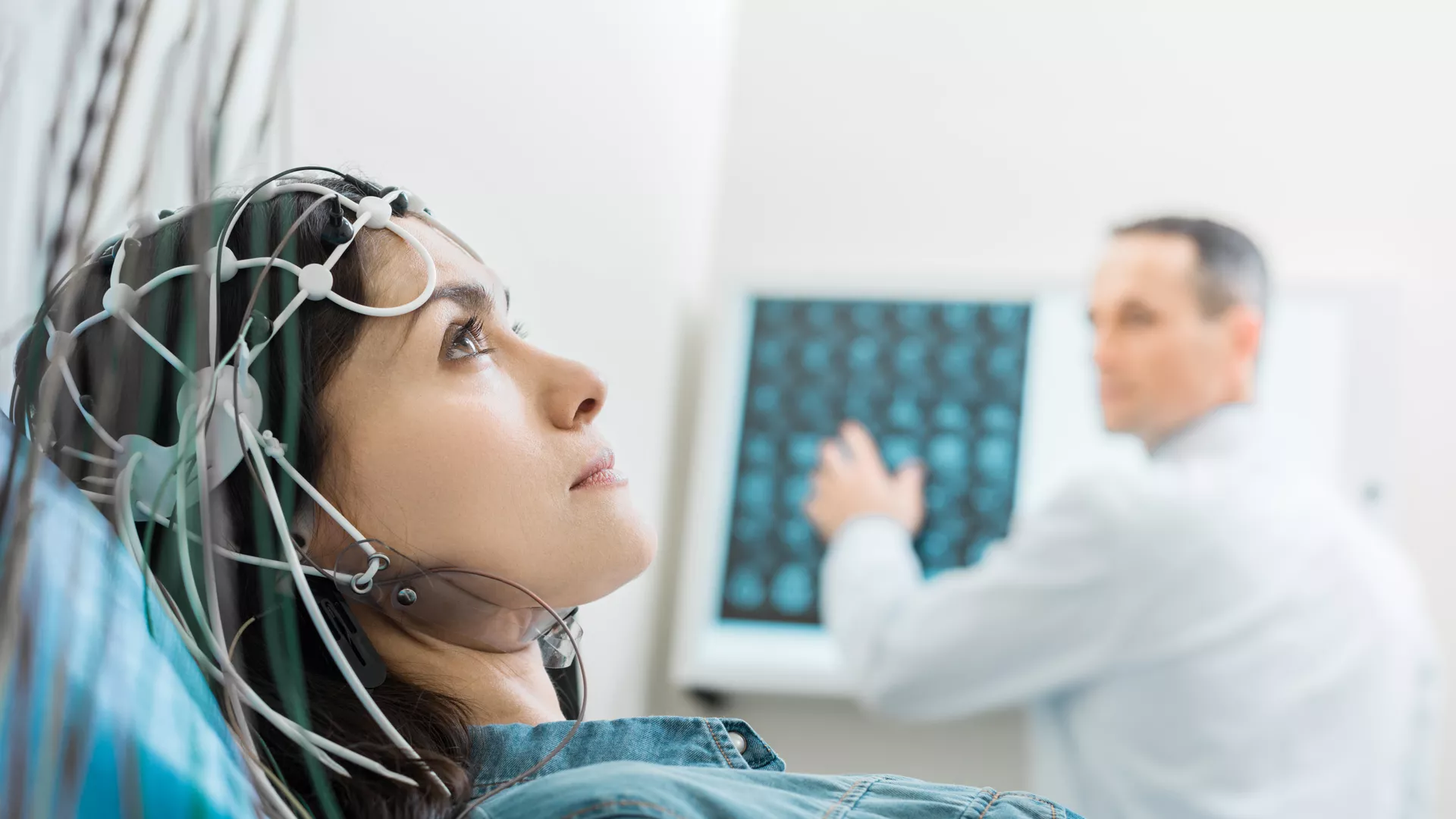
Artificial Intelligence: A New Frontier in Neurological Care

AI's integration into neurology is not just a fleeting trend; it's a significant shift in how healthcare professionals approach complex neurological disorders.

By |December 8, 2024|Categories: Article, Healthcare, Technology|Tags: , |0 Comments

Celebrating Commitment to Physician Well-being

The American Medical Association (AMA) has recognized 62 health care organizations through its Joy in Medicine™ Health System Recognition Program. These organizations, representing over 140,000 physicians, have been acknowledged for their innovative strategies aimed at reducing stress and enhancing mental health among doctors.

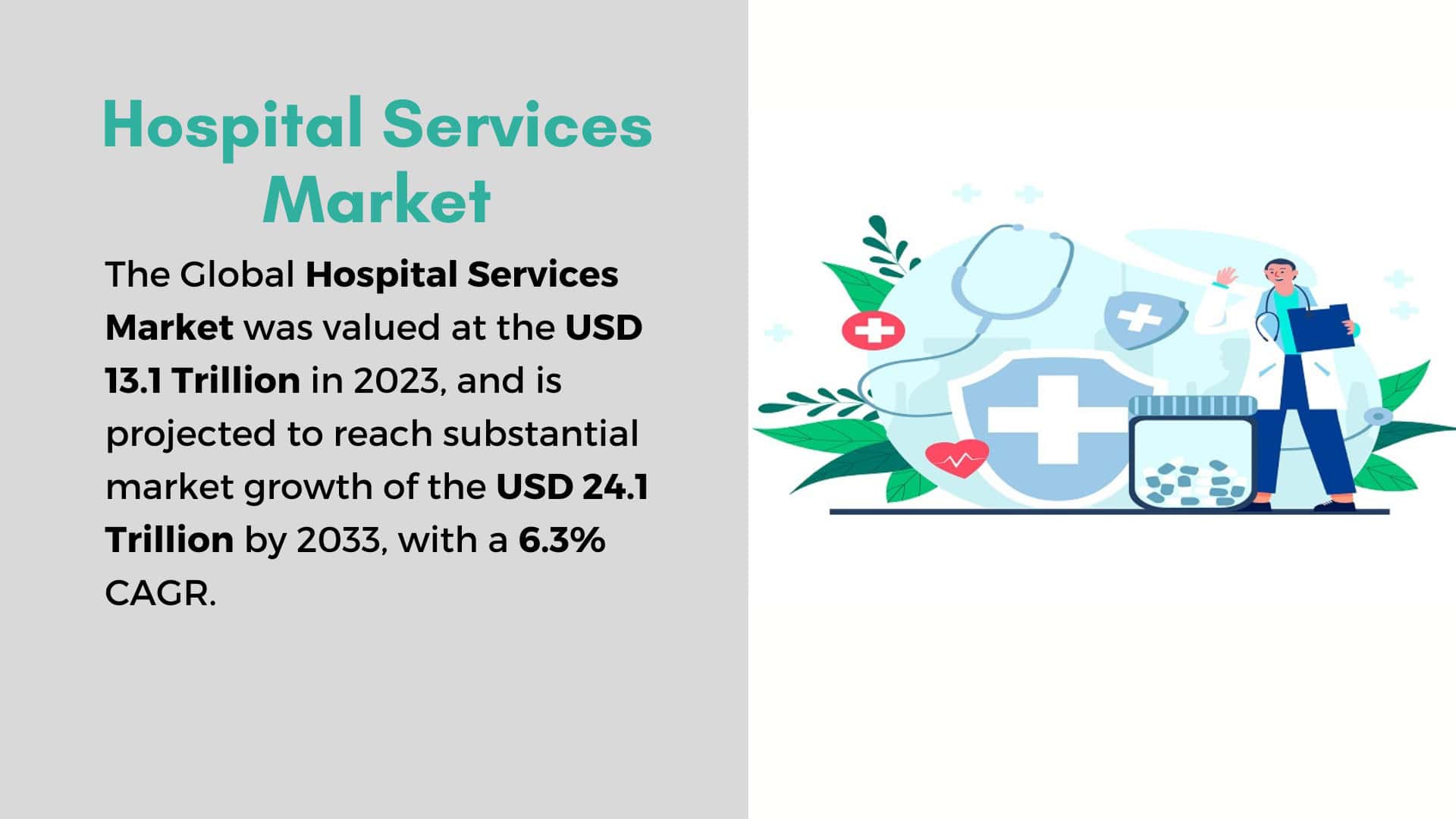
Global Hospital Services Market Set for Substantial Growth

The global hospital services market is undergoing a significant transformation, with projections indicating robust growth over the next decade. As of 2023, the market was valued at USD 13.1 trillion and is expected to soar to an impressive USD 24.1 trillion by 2033, boasting a compound annual growth rate (CAGR) of 6.3%. This optimistic forecast, reported by Market.us Media, is driven by advancements in medical technology, increased healthcare expenditures, and the rising prevalence of chronic diseases.

By |December 7, 2024|Categories: Article, Healthcare, Market Analysis|Tags: , |0 Comments

Unlocking the Potential of Modular Construction in Ontario’s Housing Market

In the bustling realm of Ontario's housing market, modular construction is emerging as a beacon of hope amid a pressing demand for new homes.


By |December 7, 2024|Categories: Article, Construction, Technology|Tags: , |0 Comments