

The Growing Role of Telehealth in Nursing: A New Frontier for Patient Care


As the world of healthcare continues to evolve, nurses are at the forefront, embracing telehealth technology to revolutionize patient care. With the increased demand on healthcare systems due to an aging population and ongoing nursing shortages, telehealth is becoming an indispensable tool for nurses, enhancing patient outcomes and expanding access to quality healthcare.


According to the Agency for Healthcare Research and Quality, the integration of telehealth services has accelerated since the onset of the COVID-19 pandemic. This trend is supported by data from the U.S. Department of Health and Human Services, which highlights the significant rise in telehealth usage during the pandemic.


Dr. Lisa bechok, dnp, rn, cne, a clinical faculty member for snhu nursing programs

Dr. Lisa Bechok, a clinical faculty member at Southern New Hampshire University, emphasizes the critical role nurses play in safeguarding public health. “From ensuring the most accurate diagnosis and treatment options to the ongoing education of the public about critical health issues, nurses are indispensable,” Bechok states.


Telehealth not only facilitates remote monitoring of patient health but also breaks down geographical barriers, allowing those in rural areas to access necessary healthcare services. This is particularly beneficial for managing chronic conditions, reducing hospitalizations, and lowering healthcare costs, as noted in an article from the National Library of Medicine.


What is Telehealth?


A graphic with a blue background and a white laptop icon

Defined by the National Institute of Biomedical Imaging and Bioengineering, telehealth uses communication technology to provide medical care at a distance. It replaces traditional face-to-face visits with video conferencing and phone calls, enabling patients to receive care from the comfort of their homes.


Telehealth’s role in nursing spans various areas, including acute and chronic care, hospice, palliative, and primary care. This expansion provides nurses with innovative tools to reach patients and improve healthcare access for all, as highlighted by Bechok.


The Four Ps of Telehealth Nursing


As telehealth continues to grow, the Four Ps of Telehealth framework aids in nursing education:


  • Planning: Identifying issues, technology, and patient needs.
  • Preparing: Setting up technology support and training personnel.
  • Providing: Conducting patient history and physical examination remotely.
  • Performance Evaluation: Assessing program impacts and outcomes.

Despite the numerous benefits, challenges such as broadband access and regulatory issues persist. However, the pandemic has propelled the integration of telehealth, with nurses continuing to adapt and innovate in their roles.


In conclusion, telehealth is reshaping the landscape of nursing, offering flexibility and improved access to care. As Dr. Bechok aptly puts it, “Nursing is the glue that holds a patient’s healthcare journey together,” whether through telehealth or face-to-face interactions.

More Articles

Getting licensed or staying ahead in your career can be a journey—but it doesn’t have to be overwhelming. Grab your favorite coffee or tea, take a moment to relax, and browse through our articles. Whether you’re just starting out or renewing your expertise, we’ve got tips, insights, and advice to keep you moving forward. Here’s to your success—one sip and one step at a time!

Is Florida’s Booming Real Estate Market Becoming Unaffordable?

Florida is facing a real estate crisis marked by skyrocketing insurance premiums, stringent FEMA rules, and a surge in hedge fund property acquisitions.

By |November 14, 2024|Categories: Article, Finance/Economy, Real Estate|Tags: , |0 Comments

Revolutionizing Cancer Therapy: The Promise of Patient-Derived Organoids

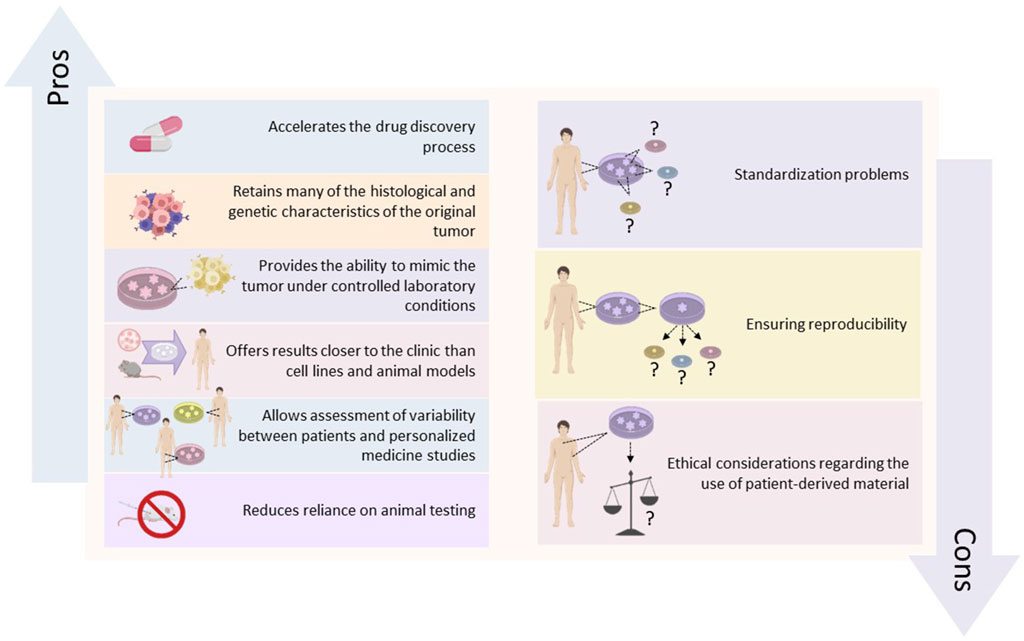
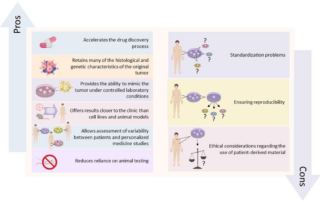
Patient-derived organoids offer an unprecedented opportunity to replicate the complex structure and genetic makeup of cancers, providing a more accurate model for clinical drug screening and pharmacognostic assessment.

The AI Revolution in Dermatology: A Systematic Review

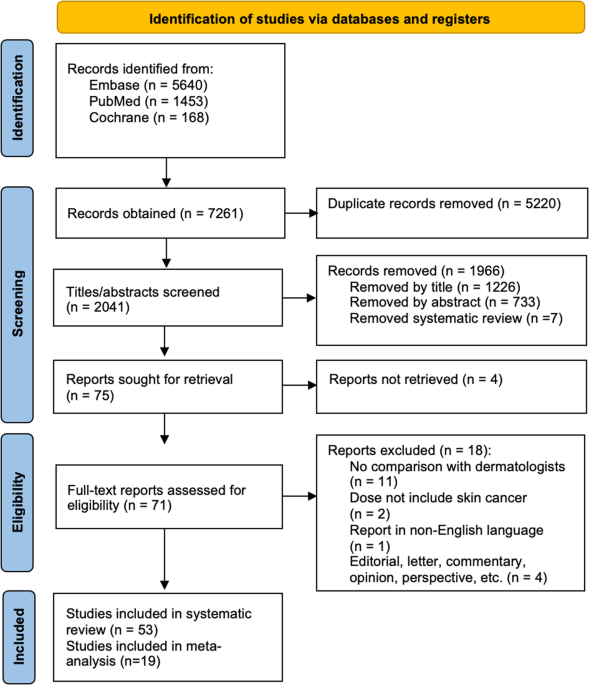
In a groundbreaking study published in Nature, researchers have delved into the burgeoning field of artificial intelligence (AI) in dermatology, specifically examining its role in diagnosing skin cancer. The study, titled "A Systematic Review and Meta-Analysis of Artificial Intelligence Versus Clinicians for Skin Cancer Diagnosis," offers a comprehensive look at how AI stacks up against human clinicians in this critical area of healthcare.

By |November 14, 2024|Categories: AI in Healthcare, Article, Dermatology|Tags: , |0 Comments

The Fast Lane to Fully Autonomous Vehicles: Industry Innovations and Future Prospects

The automotive world is abuzz with announcements from major players like Tesla, Rimac, Renault, and Nissan, each unveiling plans to introduce autonomous vehicles in the near future. Tesla's much-anticipated "CyberCab" is set for an October 2024 debut, while Rimac and Renault are gearing up for releases in 2026.

Futureproofing for Insurers: The Role of AI and Hyper-Personalization

In a rapidly evolving industry, insurance companies are turning to artificial intelligence (AI) and hyper-personalization to stay ahead of the curve.

Revolutionizing Healthcare: The Power and Potential of AI

AI technology offers a multitude of benefits, from enhancing patient outcomes to reducing healthcare costs and improving population health. Its application ranges from preventive screenings to complex diagnostic procedures, marking a new era in medical care.

By |November 13, 2024|Categories: Article, Artificial Intelligence, Healthcare|Tags: , |0 Comments