In a compelling analysis reminiscent of the style of Edward R. Murrow, we delve into the pressing issue of state higher education funding cuts and their profound impact on students across the United States. Over the past decade, these budgetary reductions have not only led to significant tuition hikes but have also exacerbated inequality in access to higher education, particularly affecting low-income students and students of color.

The Center on Budget and Policy Priorities recently published a report, authored by Michael Mitchell, Michael Leachman, and Matt Saenz, which highlights the alarming trend of shifting educational costs onto students. According to the report, state funding for public colleges in the 2018 school year was over $6.6 billion below pre-recession levels, after adjusting for inflation. This decline in funding has forced many institutions to raise tuition, reduce faculty, and cut services, making college less affordable and accessible for many.

The consequences of these funding cuts are far-reaching. Rising tuition costs deter students from enrolling, particularly those from underrepresented communities. The report emphasizes how this financial burden has widened racial and class disparities in higher education. As tuition increases, students from marginalized backgrounds face greater barriers to entry, reducing campus diversity and limiting their opportunities for economic advancement.

The potential benefits of a college degree, such as higher lifetime earnings, are significant. However, the rising cost of education, coupled with stagnant household incomes, makes it increasingly difficult for today’s diverse student body to reap these rewards. The report suggests that lawmakers need to invest in high-quality, affordable, and accessible public higher education by increasing funding for public colleges and bolstering need-based aid programs.

To address these challenges, the report calls for crafting funding formulas that focus additional state resources on building the capacity of colleges with the fewest resources. By pursuing policies that help more students pursue affordable postsecondary education, lawmakers can help build a stronger middle class and develop the skilled workforce that a thriving state economy requires.

For a deeper understanding of this critical issue, you can read the full report by the Center on Budget and Policy Priorities [here](https://www.cbpp.org/research/state-budget-and-tax/state-higher-education-funding-cuts-have-pushed-costs-to-students).

This story serves as a stark reminder of the urgent need for policy reforms to ensure that higher education remains a viable path to success for all students, regardless of their socioeconomic background.

More Articles

Getting licensed or staying ahead in your career can be a journey—but it doesn’t have to be overwhelming. Grab your favorite coffee or tea, take a moment to relax, and browse through our articles. Whether you’re just starting out or renewing your expertise, we’ve got tips, insights, and advice to keep you moving forward. Here’s to your success—one sip and one step at a time!

2025 Commercial Real Estate Outlook: Navigating a New Era

The commercial real estate landscape is on the brink of transformation as leaders seek to navigate the challenges of recent years and position their organizations for future opportunities.

The Emerging Mental Health Crisis Among Healthcare Workers During the COVID-19 Pandemic

The pandemic has ushered in a wave of mental health challenges that affect healthcare workers profoundly. From the onset of COVID-19, these professionals have been at the forefront, facing immense pressure, long hours, and the constant fear of exposure.

By |December 18, 2024|Categories: Article, Healthcare Workers, Mental Health|Tags: , |0 Comments

Ethical Concerns of Large Language Models in Healthcare

Exploring the dual nature of LLMs offers substantial benefits in healthcare but also raises significant ethical concerns, underscoring the need for well-defined guidelines and human oversight.

The Role of Wearable Devices in Chronic Disease Monitoring and Patient Care: A Comprehensive Review

Wearable devices have become integral in managing chronic conditions by providing continuous health data, empowering patients and healthcare professionals with insights that were previously unattainable.

AI Training Mandates: Navigating Legal Waters in Dentistry

The integration of artificial intelligence (AI) into dental practices is more than a technological trend; it represents a seismic shift in the industry. This transformation is reshaping skill sets and prompting a thorough examination of legal and ethical implications.

By |December 17, 2024|Categories: Article, Legal, Technology|Tags: , |0 Comments

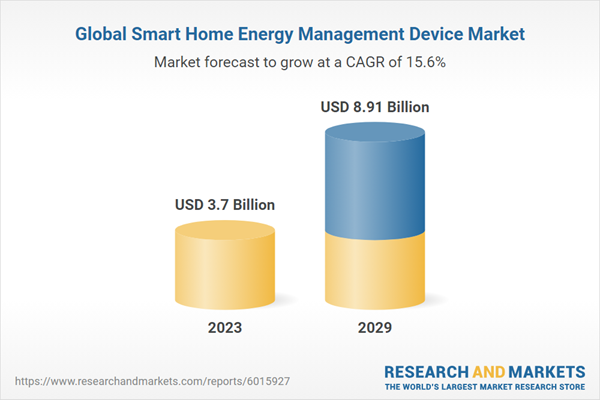
Smart Home Energy Management Devices: A Market Poised for Growth

The Global Smart Home Energy Management Device Market is on the brink of a significant transformation, driven by escalating demands for energy-efficient solutions and the increasing adoption of smart home technologies.