In a compelling analysis reminiscent of the style of Edward R. Murrow, we delve into the pressing issue of state higher education funding cuts and their profound impact on students across the United States. Over the past decade, these budgetary reductions have not only led to significant tuition hikes but have also exacerbated inequality in access to higher education, particularly affecting low-income students and students of color.

The Center on Budget and Policy Priorities recently published a report, authored by Michael Mitchell, Michael Leachman, and Matt Saenz, which highlights the alarming trend of shifting educational costs onto students. According to the report, state funding for public colleges in the 2018 school year was over $6.6 billion below pre-recession levels, after adjusting for inflation. This decline in funding has forced many institutions to raise tuition, reduce faculty, and cut services, making college less affordable and accessible for many.

The consequences of these funding cuts are far-reaching. Rising tuition costs deter students from enrolling, particularly those from underrepresented communities. The report emphasizes how this financial burden has widened racial and class disparities in higher education. As tuition increases, students from marginalized backgrounds face greater barriers to entry, reducing campus diversity and limiting their opportunities for economic advancement.

The potential benefits of a college degree, such as higher lifetime earnings, are significant. However, the rising cost of education, coupled with stagnant household incomes, makes it increasingly difficult for today’s diverse student body to reap these rewards. The report suggests that lawmakers need to invest in high-quality, affordable, and accessible public higher education by increasing funding for public colleges and bolstering need-based aid programs.

To address these challenges, the report calls for crafting funding formulas that focus additional state resources on building the capacity of colleges with the fewest resources. By pursuing policies that help more students pursue affordable postsecondary education, lawmakers can help build a stronger middle class and develop the skilled workforce that a thriving state economy requires.

For a deeper understanding of this critical issue, you can read the full report by the Center on Budget and Policy Priorities [here](https://www.cbpp.org/research/state-budget-and-tax/state-higher-education-funding-cuts-have-pushed-costs-to-students).

This story serves as a stark reminder of the urgent need for policy reforms to ensure that higher education remains a viable path to success for all students, regardless of their socioeconomic background.


More Articles

Getting licensed or staying ahead in your career can be a journey—but it doesn’t have to be overwhelming. Grab your favorite coffee or tea, take a moment to relax, and browse through our articles. Whether you’re just starting out or renewing your expertise, we’ve got tips, insights, and advice to keep you moving forward. Here’s to your success—one sip and one step at a time!

Precision Medicine Market: A Tailored Approach Revolutionizing Healthcare

With increasing governmental and private investments, the demand for precision medicine is expected to rise steadily. The commitment to addressing chronic conditions, coupled with strategic industry collaborations and advanced diagnostic tools, will sustain market growth.

U.S. Wearable Medical Devices Market: Growth Trends and Future Prospects

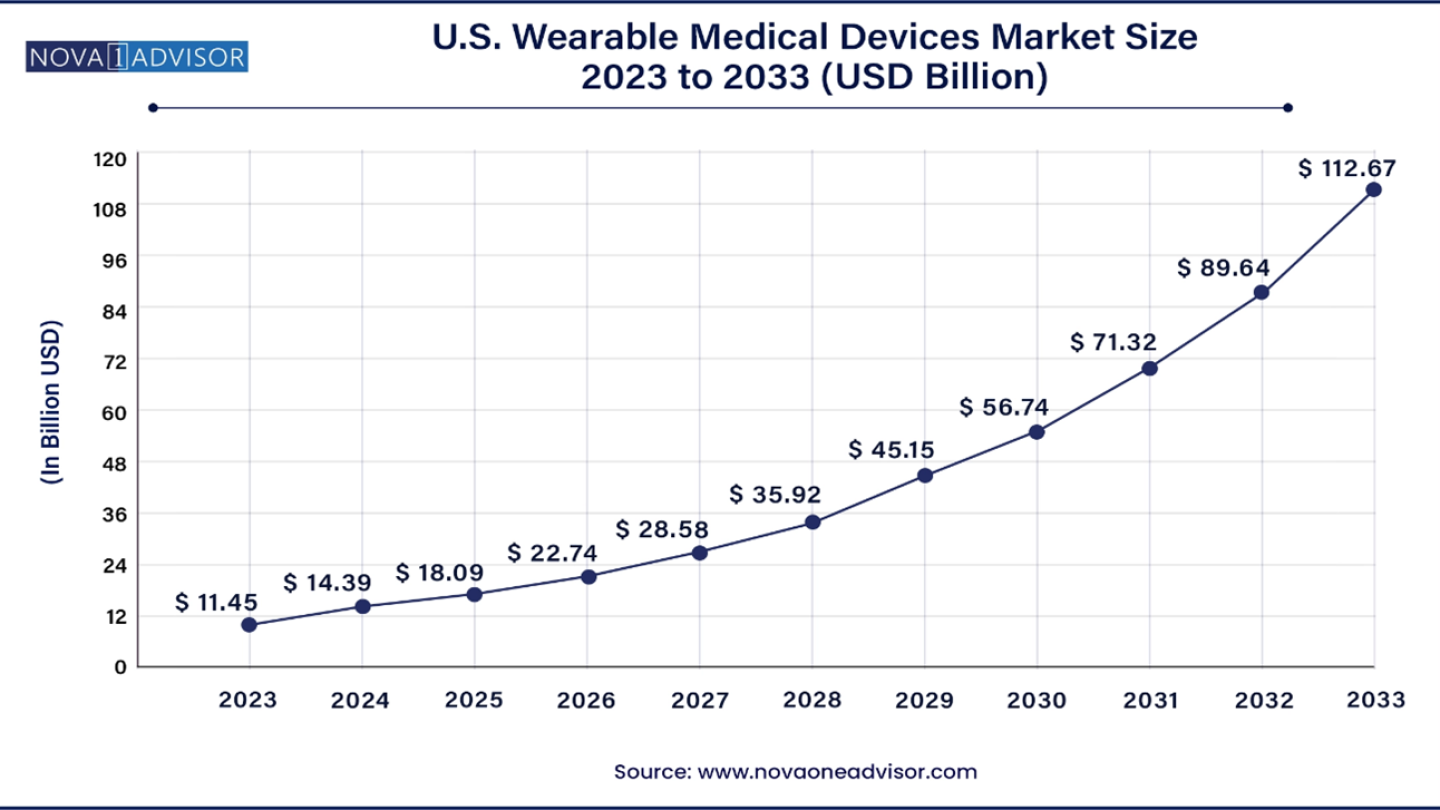
The U.S. wearable medical devices market, currently valued at an estimated $11.45 billion in 2023, is set to experience an astronomical rise to approximately $112.67 billion by 2033.

By |December 3, 2024|Categories: Article, Healthcare, Technology|Tags: |0 Comments

The Future of Real Estate Market: What Lies Ahead?

The real estate market is on the brink of transformation, captivating the attention of buyers, sellers, investors, and industry professionals. As we look toward the end of 2024, experts predict a shift in the landscape, particularly with home prices expected to decline due to increased inventory levels.

By |December 3, 2024|Categories: Article, Market Trends, Real Estate|Tags: , |0 Comments

Bridging the Healthcare Gap in Rural Areas with Telehealth

According to the World Health Organization (WHO), nearly two billion people in rural and remote areas worldwide lack access to essential healthcare solutions. This staggering statistic highlights a critical issue: the digital divide that limits telehealth services, primarily due to inadequate broadband access.

By |December 2, 2024|Categories: Article, Healthcare, Technology|Tags: , |0 Comments

Navigating Ethical Challenges: AI in Healthcare

As AI becomes a staple in medical practice, it carries the risk of reinforcing existing biases entrenched in historical data. These biases can lead to skewed outcomes, particularly affecting marginalized communities such as the LGBTQIA+ and certain ethnic groups.

By |December 2, 2024|Categories: Article, Ethics, Healthcare|Tags: , |0 Comments

New SCLC Biomarkers Enable Advances in Precision Medicine Approaches

A groundbreaking study published in Volume 15 of Oncotarget on October 11, 2024, titled 'Relationship between the expressions of DLL3, ASC1, TTF-1 and Ki-67: First steps of precision medicine at SCLC' showcases pivotal advancements in the fight against small cell lung cancer (SCLC).

By |December 2, 2024|Categories: Article, Cancer Treatment, Medical Research|Tags: , |0 Comments