In a compelling analysis reminiscent of the style of Edward R. Murrow, we delve into the pressing issue of state higher education funding cuts and their profound impact on students across the United States. Over the past decade, these budgetary reductions have not only led to significant tuition hikes but have also exacerbated inequality in access to higher education, particularly affecting low-income students and students of color.

The Center on Budget and Policy Priorities recently published a report, authored by Michael Mitchell, Michael Leachman, and Matt Saenz, which highlights the alarming trend of shifting educational costs onto students. According to the report, state funding for public colleges in the 2018 school year was over $6.6 billion below pre-recession levels, after adjusting for inflation. This decline in funding has forced many institutions to raise tuition, reduce faculty, and cut services, making college less affordable and accessible for many.

The consequences of these funding cuts are far-reaching. Rising tuition costs deter students from enrolling, particularly those from underrepresented communities. The report emphasizes how this financial burden has widened racial and class disparities in higher education. As tuition increases, students from marginalized backgrounds face greater barriers to entry, reducing campus diversity and limiting their opportunities for economic advancement.

The potential benefits of a college degree, such as higher lifetime earnings, are significant. However, the rising cost of education, coupled with stagnant household incomes, makes it increasingly difficult for today’s diverse student body to reap these rewards. The report suggests that lawmakers need to invest in high-quality, affordable, and accessible public higher education by increasing funding for public colleges and bolstering need-based aid programs.

To address these challenges, the report calls for crafting funding formulas that focus additional state resources on building the capacity of colleges with the fewest resources. By pursuing policies that help more students pursue affordable postsecondary education, lawmakers can help build a stronger middle class and develop the skilled workforce that a thriving state economy requires.

For a deeper understanding of this critical issue, you can read the full report by the Center on Budget and Policy Priorities [here](https://www.cbpp.org/research/state-budget-and-tax/state-higher-education-funding-cuts-have-pushed-costs-to-students).

This story serves as a stark reminder of the urgent need for policy reforms to ensure that higher education remains a viable path to success for all students, regardless of their socioeconomic background.


More Articles

Getting licensed or staying ahead in your career can be a journey—but it doesn’t have to be overwhelming. Grab your favorite coffee or tea, take a moment to relax, and browse through our articles. Whether you’re just starting out or renewing your expertise, we’ve got tips, insights, and advice to keep you moving forward. Here’s to your success—one sip and one step at a time!

Exploring the Top Real Estate Trends of 2024

As we navigate the ever-evolving landscape of real estate, 2024 presents a fascinating array of trends that are reshaping the industry. According to a comprehensive report by Exploding Topics, nine pivotal trends are poised to redefine the market over the next 18-24 months.

By |November 13, 2024|Categories: Article, Market Trends, Real Estate|Tags: , |0 Comments

The Rapid Evolution of Telehealth Under Medicare

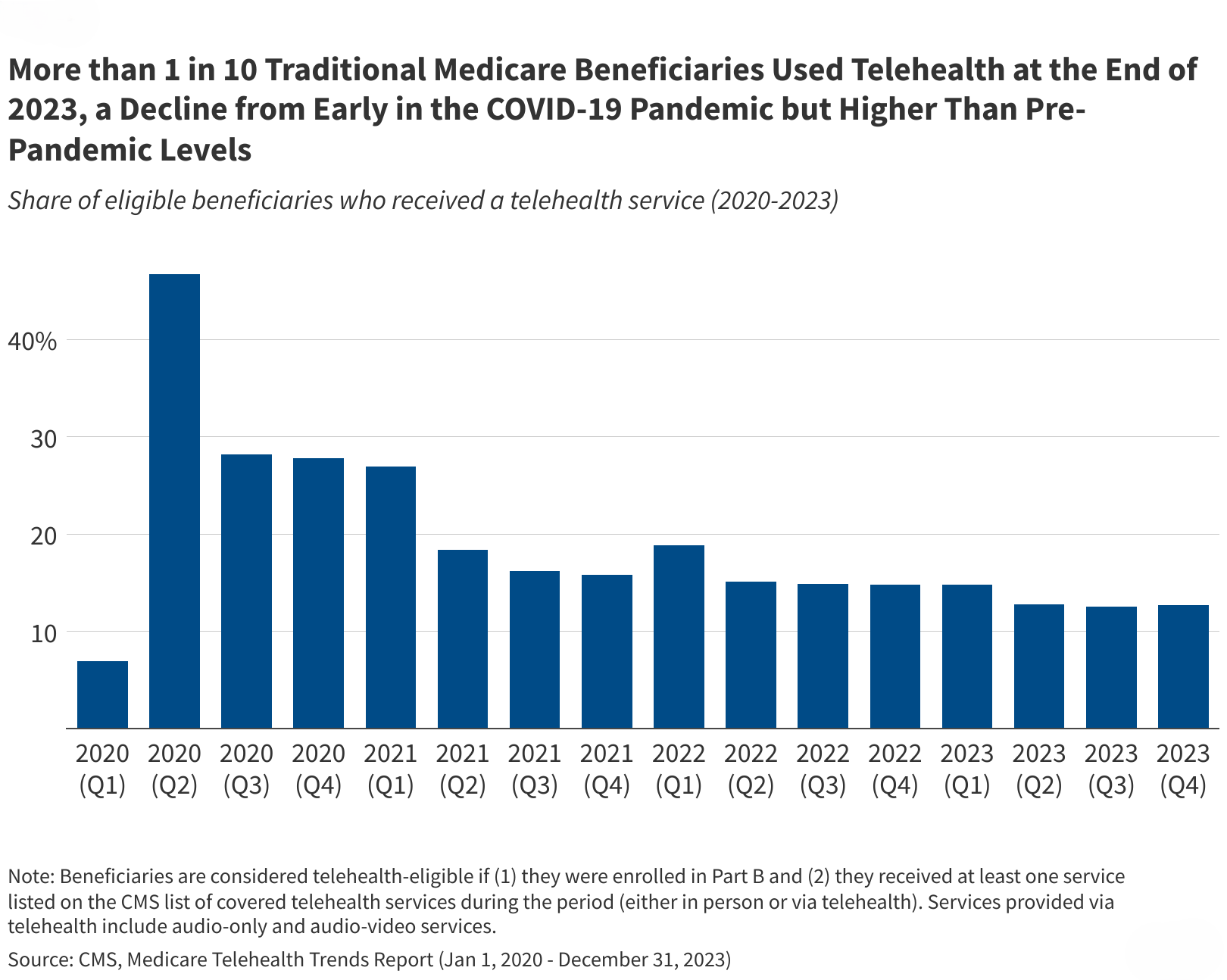
The landscape of healthcare has dramatically shifted in recent years, with telehealth emerging as a key player in the delivery of medical services. This transformation has been particularly evident in the realm of Medicare, where telehealth has seen a significant uptick in utilization.

By |November 12, 2024|Categories: Article, Healthcare, Medicare|Tags: , |0 Comments

The Rise of Central Bank Digital Currencies: Reshaping Global Finance

Central bank digital currencies (CBDCs) are reshaping the financial landscape, emerging as a pivotal innovation in the digital age. Nations such as Jamaica, Nigeria, and The Bahamas have already implemented CBDCs, signaling a new era in digital finance. Despite these hurdles, the move towards digital currencies marks a transformative phase for global economies.

By |November 12, 2024|Categories: Article, Finance, Technology|Tags: , |0 Comments

Navigating Real Estate Tactics: Protecting Your Interests

Real estate transactions often involve significant sums of money, making them prime targets for unscrupulous tactics. By being aware of these tactics and taking proactive steps, buyers and sellers can navigate the real estate market with confidence and avoid potential pitfalls.

Global Surge in Wearable Healthcare Devices Market

The global wearable healthcare devices market is on a remarkable growth trajectory, projected to escalate from USD 39.9 billion in 2023 to an impressive USD 114.8 billion by 2033.

By |November 12, 2024|Categories: Article, Healthcare, Technology|Tags: |0 Comments

Generative AI: Transforming the Real Estate Landscape

Generative AI is revolutionizing the way real estate agents, appraisers, and brokers operate. By automating tasks such as creating property descriptions and analyzing market trends, AI tools are freeing up professionals to focus on strategic, high-value responsibilities. This shift is expected to generate up to $180 billion in value for the industry.

By |November 12, 2024|Categories: Article, Real Estate, Technology|Tags: , |0 Comments