In a compelling analysis reminiscent of the style of Edward R. Murrow, we delve into the pressing issue of state higher education funding cuts and their profound impact on students across the United States. Over the past decade, these budgetary reductions have not only led to significant tuition hikes but have also exacerbated inequality in access to higher education, particularly affecting low-income students and students of color.

The Center on Budget and Policy Priorities recently published a report, authored by Michael Mitchell, Michael Leachman, and Matt Saenz, which highlights the alarming trend of shifting educational costs onto students. According to the report, state funding for public colleges in the 2018 school year was over $6.6 billion below pre-recession levels, after adjusting for inflation. This decline in funding has forced many institutions to raise tuition, reduce faculty, and cut services, making college less affordable and accessible for many.

The consequences of these funding cuts are far-reaching. Rising tuition costs deter students from enrolling, particularly those from underrepresented communities. The report emphasizes how this financial burden has widened racial and class disparities in higher education. As tuition increases, students from marginalized backgrounds face greater barriers to entry, reducing campus diversity and limiting their opportunities for economic advancement.

The potential benefits of a college degree, such as higher lifetime earnings, are significant. However, the rising cost of education, coupled with stagnant household incomes, makes it increasingly difficult for today’s diverse student body to reap these rewards. The report suggests that lawmakers need to invest in high-quality, affordable, and accessible public higher education by increasing funding for public colleges and bolstering need-based aid programs.

To address these challenges, the report calls for crafting funding formulas that focus additional state resources on building the capacity of colleges with the fewest resources. By pursuing policies that help more students pursue affordable postsecondary education, lawmakers can help build a stronger middle class and develop the skilled workforce that a thriving state economy requires.

For a deeper understanding of this critical issue, you can read the full report by the Center on Budget and Policy Priorities [here](https://www.cbpp.org/research/state-budget-and-tax/state-higher-education-funding-cuts-have-pushed-costs-to-students).

This story serves as a stark reminder of the urgent need for policy reforms to ensure that higher education remains a viable path to success for all students, regardless of their socioeconomic background.


More Articles

Getting licensed or staying ahead in your career can be a journey—but it doesn’t have to be overwhelming. Grab your favorite coffee or tea, take a moment to relax, and browse through our articles. Whether you’re just starting out or renewing your expertise, we’ve got tips, insights, and advice to keep you moving forward. Here’s to your success—one sip and one step at a time!

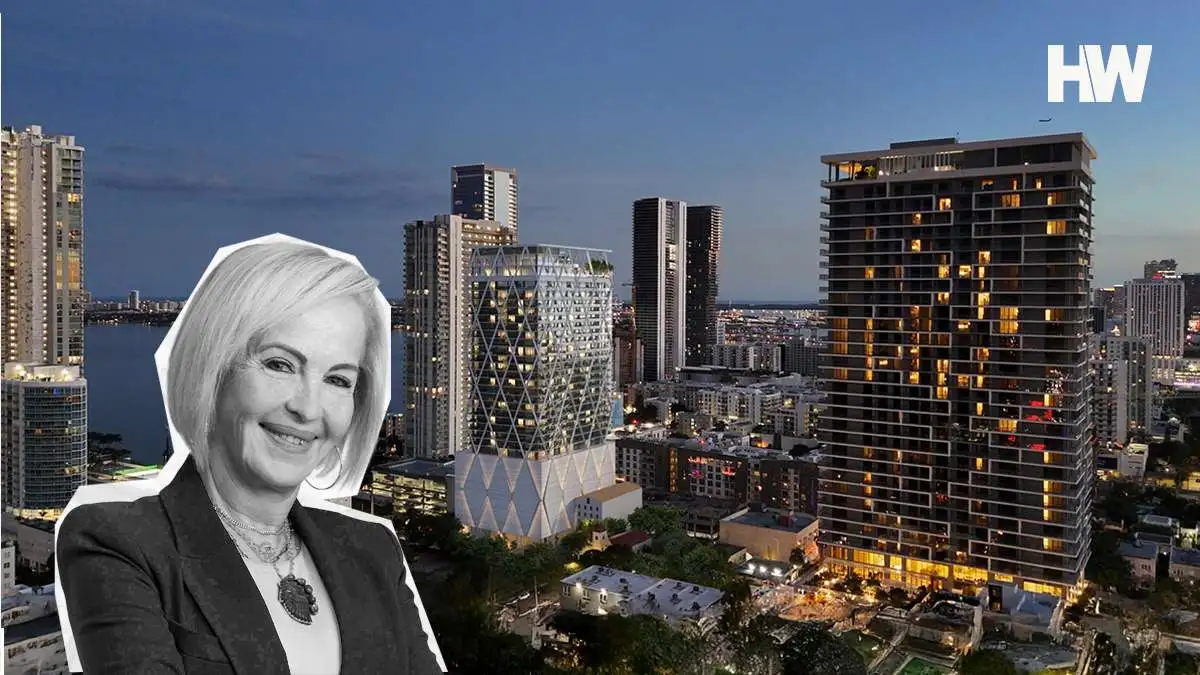
The Condo Queen of Miami: How Maile Aguila Built a Billion‑Dollar Career

Miami’s luxury condo market has many success stories, but few rise to the level of Maile Aguila. After closing more than $1 billion in sales in 2024, Aguila has become one of the most influential forces in Brickell and downtown Miami. From her beginnings in accounting to becoming the go‑to expert for high‑end developments, her journey offers a blueprint for new agents: specialize, become hyper‑local, master the soft sell, and make yourself indispensable. Her story shows that passion, knowledge, and relentless learning are the keys to breaking into Miami’s booming luxury market.

Kendal Vickers Swaps NFL Glory for a High‑Impact Real Estate Career

Former NFL defensive tackle Kendal Vickers has traded stadium lights for property listings, launching a fast-rising real estate career after earning licenses in both Florida and Tennessee. Drawing on his construction background and the discipline he built in the league, Vickers quickly closed early deals and now leads sales for two major residential developments. Motivated by helping families find homes, he’s proving that with grit, education, and the right mindset, a powerful second act is possible—on or off the field.

Title Insurance in 2026: Key Consumer Insights From Cortes and Hay

A shifting housing market and evolving regulations are making title insurance more critical than ever in 2026. Cortes and Hay, a New Jersey title agency with over 50 years of experience, breaks down the essential factors every buyer and investor should understand—from the importance of thorough title searches to the growing need for investor protection, ALTA best practices, and expert guidance on 1031 exchanges. This updated snapshot helps consumers and future real estate professionals navigate today’s complex closing landscape with confidence.

AI Is Transforming How Floridians Buy Homes

Nearly half of today’s homebuyers expect to use AI in their buying journey, and Florida is becoming a leading testing ground. New platforms like Homa are automating most of the homebuying process, delivering major savings to buyers while still blending in human expertise. As both tech-driven tools and traditional agents adapt, the future of Florida real estate will rely on professionals who can combine smart technology with real-world experience.

Investors Are Pulling Back From Florida Housing — Except in One Surprising Hotspot

Florida’s once‑red‑hot investment market is cooling fast, with cities like Orlando, Fort Lauderdale, and Jacksonville seeing steep drops in investor purchases. Rising insurance costs, swelling inventory, and squeezed profit margins are pushing investors to pause—or look elsewhere. But West Palm Beach stands apart, surging with luxury demand as it cements its status as “Wall Street South.”

Is 2026 a Good Time to Buy a House? Here’s What the Market Really Says

With mortgage rates nearly a full point lower than last year and inventory slowly rising, 2026 is opening the door for more buyers to re-enter the market. Competition has cooled, bidding wars have eased, and sellers are more flexible than they’ve been in years. While winter weather temporarily slowed sales, spring is expected to bring renewed momentum. For buyers with steady finances and long‑term plans, this year may offer one of the most balanced markets since the frenzy of 2021–2022.