The Hidden Mold Crisis: How Extreme Weather Is Creating a Silent Health Emergency
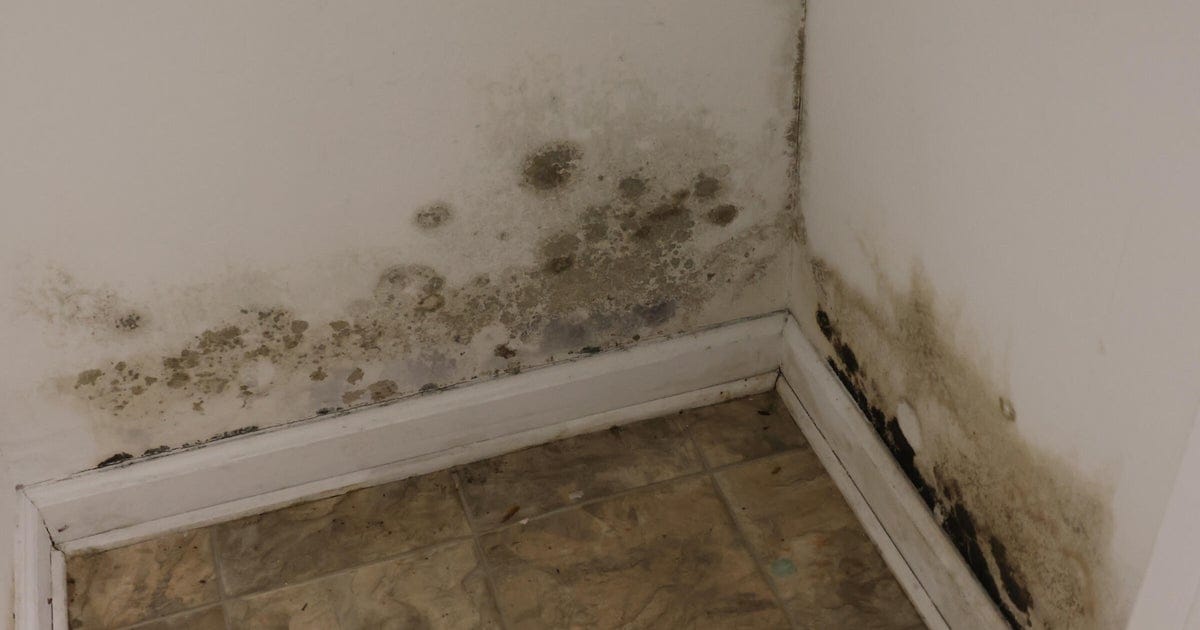
Severe mold growth

In the wake of worsening hurricanes, floods, and unpredictable weather across the U.S., a silent threat is spreading through millions of homes — and most people won’t see it until it’s too late. Mold, often hidden behind walls or quietly growing after a storm, is becoming one of the most widespread post-disaster hazards affecting families, real estate, and property markets.

A Problem Affecting Nearly Half of All Homes

According to recent estimates, about 47% of U.S. homes already have mold or dampness problems. With more extreme storms hitting coastal and inland states alike, this number continues to rise — and so do the health risks that come with it.

Did you know? 29% of Americans live in coastal counties. That’s over 95 million people at high risk for mold exposure every hurricane season.

In Tallahassee, Florida, a returning college student discovered mold covering nearly every surface of her apartment — her bed, clothing, furniture, even her purse. After a summer filled with severe storms, her home had turned into a breeding ground for spores during her absence.

How Mold Takes Hold After a Storm

Experts warn that mold can begin growing in as little as 24–48 hours if water intrusion is not thoroughly dried. Flooding, roof leaks, poor ventilation, and HVAC condensation all create perfect environments for mold to flourish — even in spotless homes.

“Mold exposure is strongly linked to respiratory issues such as asthma flare-ups, chronic congestion, skin irritation, and in severe cases, long-term lung inflammation.” — Harvard T.H. Chan School of Public Health

The issue is not just visible mold, either. One homeowner in Houston discovered toxic mold hidden deep inside her walls — and her family’s unexplained health decline suddenly made sense.

The Financial Toll: A Growing Burden on Homeowners

Mold remediation is costly. On average, homeowners spend between $1,222 and $3,751 to address mold issues. Severe contamination, however, can exceed $30,000, especially when structural repairs are needed.

Even with insurance, many households — especially those in low-income or high-risk flood areas — struggle to obtain timely help. With federal disaster relief programs facing political headwinds and budget cuts, families in need often wait years for assistance.

Communities Left Behind

In many storm-hit communities, families face an impossible choice: continue living in unsafe, mold-infested homes or risk homelessness. Some wait months — even years — for remediation assistance. During that time, chronic health issues escalate for adults and children alike.

In North Carolina, a “mold busters” training program now teaches residents how to safely remove mold themselves — a grassroots response to long delays in federal and state aid.

A Warning for the Real Estate & Housing Industry

For real estate agents, property managers, insurance professionals, and landlords, mold is no longer a rare post-storm concern — it is quickly becoming a major factor in property valuation, tenant safety, and buyer decision-making.

As climate change intensifies, hurricanes and severe storms are expected to become more frequent and destructive. This means more flooding, more water intrusion, and ultimately, more mold. Proactive prevention, updated building codes, stronger flood-resistant designs, and faster relief funding will be essential to protecting America’s housing stock.

What Professionals Can Do Now

  • Educate clients and tenants on early mold detection
  • Recommend post-storm inspections within the first 48 hours
  • Encourage moisture-prevention upgrades in older homes
  • Review insurance policies for mold-related coverage
  • Promote flood-resistant building materials in high-risk zones

Mold may be invisible — until it isn’t — but its impact on health, housing, and financial stability is anything but hidden. As severe weather events grow more frequent, understanding and mitigating this threat becomes essential for every homeowner and every professional in the real estate ecosystem.

More Articles

Getting licensed or staying ahead in your career can be a journey—but it doesn’t have to be overwhelming. Grab your favorite coffee or tea, take a moment to relax, and browse through our articles. Whether you’re just starting out or renewing your expertise, we’ve got tips, insights, and advice to keep you moving forward. Here’s to your success—one sip and one step at a time!

“Moving Past 2024’s Multifamily Real Estate Decline: A Comprehensive Guide for Investors”

Data from 2023 forecasts a potential "Multifamily Real Estate Decline 2024" due to rising cap rates and slowed NOI. However, resources from Cameron Academy help real estate professionals navigate "Investment Risks in Multifamily Properties" through real-time, accurate insights.

Explore Cash Borrowing Alternatives: Discover DSCR Loans’ Competitive Edge

Investing in real estate can be rewarding but finding the right financing can be challenging. One popular option is the BRRRR (Buy, Rehab, Rent, Refinance, Repeat) method, which involves purchasing distressed properties, renovating them, renting them out, and then refinancing to repeat the process. Traditional banks, private money lenders, portfolio lenders, and online lending platforms are all potential sources for BRRRR loans. Another financing option to consider is the DSCR (Debt Service Coverage Ratio) loan, which assesses the property's cash flow rather than just the borrower's income. DSCR loans are commonly used in commercial real estate investments and offer advantages like better cash flow assessment and flexibility for investors. However, they also come with drawbacks such as higher interest rates and stricter qualification requirements. Choosing the right financing option depends on investment strategy, financial considerations, qualification requirements, risk profile, and expert advice. By understanding the available options and considering individual circumstances, investors can select the financing option that aligns with their goals.

Potential Multifamily Real Estate Crash: Implications for Savvy Investors

In this blog excerpt, we discuss the forecast for catastrophic declines in the multifamily market by the end of 2024. Factors such as market saturation, economic uncertainty, and changing lifestyle preferences among renters contribute to this forecast. Potential risks for investors include oversupply, economic volatility, and shifts in tenant demand. Thorough research, analysis, and seeking advice from professionals are crucial for navigating the multifamily market. Being knowledgeable and making informed decisions are key to successful investments in real estate. To get started in the industry, visit CameronAcademy.com for licensing in Real Estate, Mortgage, Insurance, or Finance.

By |August 10, 2023|Categories: Real Estate News|Tags: , , , , |0 Comments

Which mortgage is right for you: fixed or adjustable rate?

In the world of mortgages, the debate between fixed rate and adjustable rate mortgages (FRM and ARM) rages on. FRMs provide consistency and protection against rising rates, while ARMs offer lower initial rates and flexibility. When choosing between the two, factors such as financial goals, economic conditions, time horizon, and risk tolerance must be considered. Ultimately, homeowners must weigh the pros and cons and seek professional advice before making a decision. After all, the right mortgage choice can have a lasting impact on one's financial well-being.

By |August 10, 2023|Categories: Article, Real Estate News|Tags: , , , , |0 Comments

House Hunting? Overcoming Obstacles to Find Your Dream Home

Navigating the complexities of the current housing market can be a daunting task for buyers and sellers alike. Affordability concerns, limited inventory, credit tightening, rising interest rates, and firming home prices are all factors contributing to the challenges in today's market. However, by conducting thorough research, partnering with knowledgeable real estate agents, planning for your budget and mortgage, seeking out alternative financing options, and being patient and flexible, you can overcome these obstacles. With perseverance, informed decision-making, and adaptability, success in real estate transactions can be achieved in any market environment.